


Decarbonising construction through innovative steel

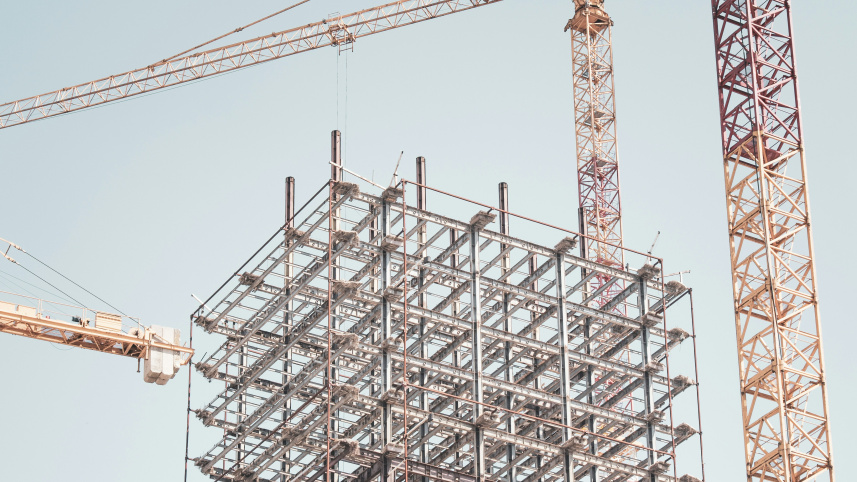
Steel is the indispensable skeleton of modern civilisation. From the soaring residential towers of Dhaka to the critical infrastructure of the Padma Bridge, steel provides a strength-to-weight ratio that no other material can match. However, the industry faces a global paradox. While steel is 100% recyclable, its primary production is responsible for approximately 7% to 9% of global greenhouse gas emissions.
Achieving "absolute zero" carbon in steel production is currently a scientific impossibility. This is because carbon serves two purposes in a traditional blast furnace: it is both a fuel for heat and a chemical reductant. To transform iron ore into metallic iron, the oxygen must be stripped away, a process that relies on carbon to create CO₂ as a byproduct. While we can transition to renewable energy for heat, replacing the chemical role of carbon requires technologies like green hydrogen, which are still in their infancy and prohibitively expensive for mass adoption.

Navigating Local Industry Challenges
The industry is currently grappling with a "drastic downfall" driven by several economic levers. Recent market shifts have seen a pause in mega-projects and a cooling of private investment due to rampant inflation. The driving factors are comple. As Dr Raquib Ahsan, a professor at BUET’s Civil Engineering Department, identifies several triggers: instability in domestic politics causing a pause in mega-projects, reduced private investment due to inflation, and the sharp devaluation of the Taka against the dollar. These factors, combined with a scarcity of high-quality scrap in the international market, have pushed the industry into a crisis.
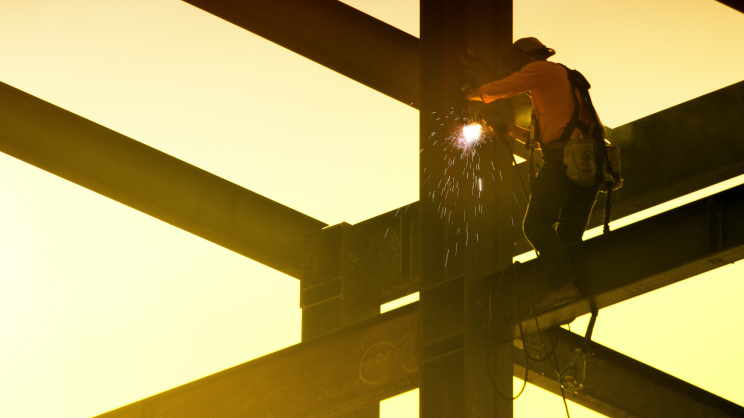
To combat this, Md Shamsuddoha, Additional Chief Engineer of the Public Works Department (PWD), advocates for a vital policy shift: amending the Bangladesh National Building Code (BNBC) to include standards for high-strength Grade 700 steel. This would allow developers to reduce steel volume in projects by approximately 20%, significantly lowering both construction costs and the environmental footprint of new developments. Despite these hurdles, the transition to high-strength steel (such as Grade 600 or 700) offers a silver lining: using stronger steel allows for less material overall, reducing both costs and the carbon footprint of a project.
Global Shifts Toward Sustainability
Globally, the steel industry is pivoting toward "Green Steel" through two primary tech-driven paths. The most significant shift is the transition from coal-dependent blast furnaces to electric arc furnaces (EAF). The EAF method uses electricity to melt recycled steel scrap, which inherently carries a much lower carbon load than smelting virgin ore.
Advanced Quantum Electric-Arc Furnace (Q-EAF) technology, already introduced in the Bangladeshi market by GPH Ispat in 2020, represents the cutting edge of this shift. This process reduces electricity consumption by 30% and natural gas usage by 70% compared to traditional methods. Internationally, the focus is also shifting toward the "circular economy", which is designing steel that can be easily recovered and reused. Climate-friendliness is no longer a luxury; it is becoming a market requirement as global investors look for ESG (Environmental, Social, and Governance) compliance in construction projects.
Building for Seismic Safety
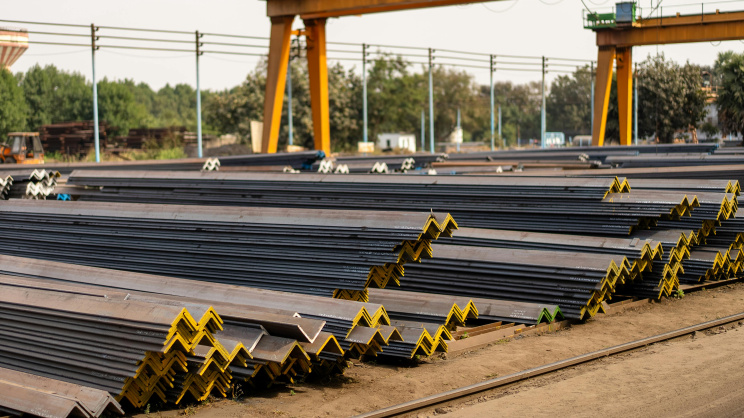
For a property owner in Bangladesh, sustainability must be coupled with safety. Given our geographic location on active fault lines, earthquake resistance is a primary concern. Dr Raquib, emphasises that for seismic resilience, "ductile steel, which can elongate longer before failure, must be used."
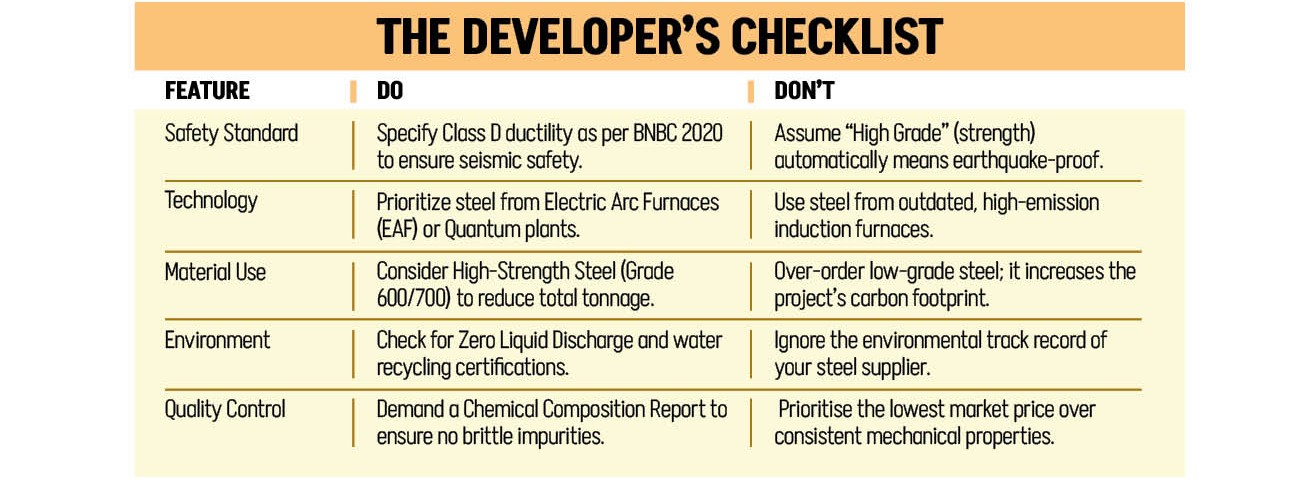
According to the Bangladesh National Building Code (BNBC 2020), steel rebar of ductility class “D” is mandatory for earthquake-resistant design. Sustainable steel production and earthquake safety are inherently linked. Modern EAF plants produce steel with more consistent mechanical and chemical properties, ensuring that the bars possess the "Class D" ductility required to absorb energy during a tremor without snapping. This is the hallmark of "Green Steel" in the local context: it protects the environment by reducing emissions and protects lives by ensuring structural integrity.
As Bangladesh navigates economic shifts and seismic risks, adopting electric arc furnace technology and ductile "Class D" steel is essential for building a sustainable, earthquake-resilient, and decarbonised urban landscape
The local market must be educated to value sustainability and quality over the lowest possible price. Bangladesh is one of the most vulnerable countries to climate change; therefore, making every effort to use sustainable materials is a national necessity.
By choosing manufacturers that recycle water and implement zero liquid discharge, developers contribute to conserving natural resources. As the industry moves forward, the focus must remain on the intersection of innovation and safety. Adopting global trends and adhering to rigorous local standards will allow Bangladesh’s construction sector to maintain its profit margins while building a safer, greener future for the next generation.
The road to a zero-carbon future is long, but by adopting these global trends and adhering to rigorous local standards, Bangladesh’s construction sector can remain both profitable and planet-friendly.
 For all latest news, follow The Daily Star's Google News channel.
Comments