


Taming the oven you call home

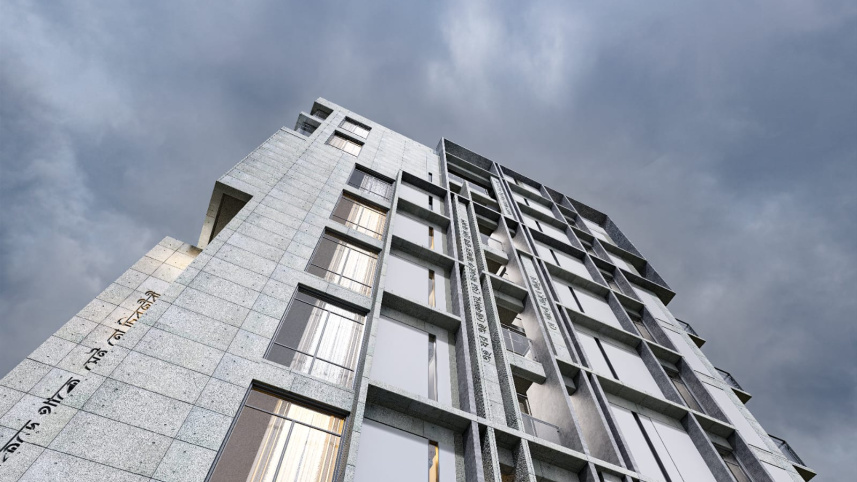
Dhaka’s skyline has transformed over the last decade into a glittering tapestry of glass and concrete. While these structures offer a sleek, international aesthetic, they have brought with them a silent, sweltering crisis. As the mercury climbs, many residents find that their high-priced apartments are effectively functioning as high-pressure cookers.
The Glass Trap

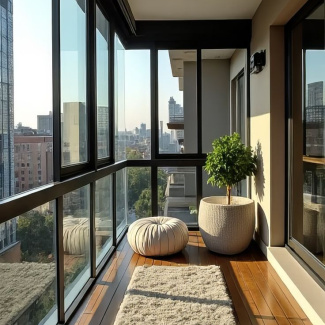
The most prominent feature of modern Dhaka architecture—the floor-to-ceiling glass wall—is often the primary culprit. According to architect Saima Ahmed Joya, "We are copying an aesthetic from colder countries without considering our own sun path," she observes. This is particularly devastating for west-facing units. After 1:00 PM, the sun pivots and strikes the western facade perpendicularly. In these units, glass becomes a thermal liability.
Architect Monjurul Alam Tony explains the physics simply: "Glass has almost zero thermal lag, meaning it transfers heat into the room instantly." This creates a classic greenhouse effect. Short-wave radiation from the sun passes through the glass, hits the furniture and floor, and transforms into long-wave radiation. This heat is then trapped, unable to escape back through the glass. "Unless that glass is high-performance or shielded externally, you are essentially living in a solar cooker," he adds.
The Top-Floor Oven
For those living on the topmost floors, the experience is even more punishing. Even with the air conditioning running at full capacity, these flats often feel like ovens. The reason lies in the "thermal mass" of the concrete roof. "Concrete acts like a battery that stores heat," Tony explains. Throughout the day, the roof slab soaks up solar energy. By the time the sun goes down and you turn on the AC, the slab is at its peak temperature, radiating heat directly onto the residents below.
It is a battle of physics where the AC cools the air, but the radiated heat from the ceiling continues to warm the body. By using cavity walls—two layers of brick with an air gap—and designing high ceilings with vents at the top, a house can be allowed to breathe. "Hot air rises naturally; if you give it an exit point at the top, it creates a vacuum that pulls in cooler air from below," Saima adds.
Designing for Breathability

In many apartment complexes, the ventilation shafts or ducts, meant to facilitate airflow, are actually making things worse. When these shafts are designed too narrowly or are blocked by water tanks at the top, they fail to utilise the "stack effect." Tony notes that hot air from kitchens and bathrooms becomes stagnant in these narrow tunnels, creating a heat pocket in the middle of the building. Instead of cooling the structure, these shafts begin to warm the internal rooms, acting as heat conduits rather than ventilators.
The materials we choose for our interiors also play a role. Common flooring choices, such as dark-colored ceramic or homogeneous tiles, act as "heat batteries." Dark charcoal or black tiles absorb up to 90% of solar radiation. Tony advises homeowners to be wary: "Dark tiles on a balcony or a roof will store heat all day and release it into your home throughout the night." Switching to light-colored, reflective surfaces can significantly lower a room’s thermal retention.
The Green Skin
Dhaka could learn much from other tropical cities. In Singapore, the government enforces a "green plot ratio," requiring developers to replace any greenery lost during construction by integrating it into the building’s facade. Vietnam is another example where architects use horizontal and vertical greenery to create a "living skin" for buildings.
"Singapore understands that every square foot of concrete needs an equivalent amount of plants to cool the micro-climate," Tony says. By using trellises , louvers, and vertical gardens, these cities stop the heat before it ever touches the building’s wall. In Dhaka, a basic vertical greenery setup for a balcony can start from BDT 15,000 to 20,000, creating a natural buffer zone of cool air.
A cool house is defined not by the number of air conditioning units it houses, but by how effectively it breathes. We must move away from sealed glass boxes and return to architectural designs that focus on natural ventilation and shade
Insulation and Glass
If you are already living in a heat-prone flat, there are technical interventions available. For rooftops, three primary options are available :
- Heat Reflective Paint: This is the most accessible and cost-effective option, applied directly to the roof. It currently costs between 15 to 30 BDT per square foot.
- Foam/XPS Insulation Boards: These boards are placed over the roof slab with a protective layer on top. This is a more robust solution, costing approximately 80 to 120 BDT per square foot.
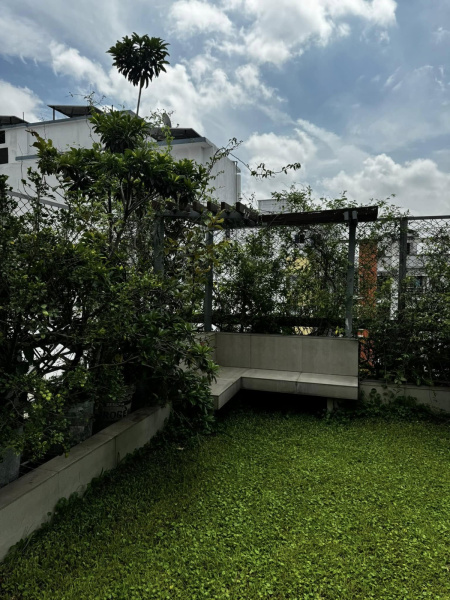
- Rooftop Gardening : This is the most effective long-term solution. The layers of soil and vegetation act as natural insulation.
When it comes to glass, the choice between tinted and double-glazed is clear. Tinted glass is like sunglasses, as it reduces glare but does little to stop heat transfer. "If heat management is your priority, double-glazing is the only real solution," Tony asserts. While it can cost BDT 1,000 per sq. ft. compared to BDT 400 for tinted glass, the energy savings on AC bills make it a smarter long-term investment.
The path to a cooler Dhaka lies in reclaiming the architectural wisdom of the tropics while integrating modern technology. We must move away from the obsession with sealed glass boxes and return to buildings that prioritise natural ventilation and external shading. A truly cool house is not defined by the number of air conditioning units it houses but by how effectively it breathes. By prioritising external louvers, vertical gardens, and proper roof insulation, we can transform our apartments from heat traps back into sanctuaries. Ultimately, heat management is about working with the environment rather than trying to overpower it with electricity. Sustainable design in Dhaka is no longer a luxury; it is the only way to ensure our urban spaces remain livable in an increasingly warming world.
 For all latest news, follow The Daily Star's Google News channel.
Comments