


Koreas mark war anniv
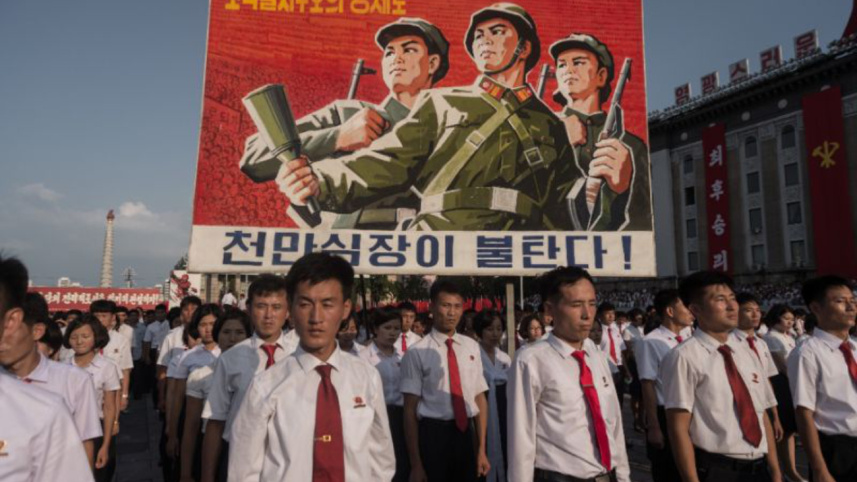
The two Koreas yesterday marked their war anniversary in a mood of detente, with Pyongyang dropping its customary anti-US rhetoric and Seoul saying talks have begun on moving the North's artillery back from the tense border.
Pyongyang's tightly controlled official media are normally packed with anti-American invective on June 25, when the North launched a mass invasion of the South in 1950.

But this year proved to be a marked exception in the wake of the historic Singapore summit.
In the South, Prime Minister Lee Nak-yon said discussions were taking place about relocating Pyongyang's long-range artillery away from their border.
North Korea is estimated to have around 1,000 artillery pieces along the frontier, threatening much of the South's capital Seoul only 50 kilometres (30 miles) away.
The North has long accused the US of provoking the 1950-53 Korean War as part of a plan for global domination and blames it for the division of the peninsula, agreed between Moscow and Washington in the closing days of World War II.
A US-led 16-country United Nations force supported the South in the conflict while China backed the North.
"Every year on this day, our army and people row the boat of memories, full of creed and determination to defend the nation," read a report in the North's state-run Rodong Sinmun.
"What surprised the world even more was... our people's solidarity to annihilate the enemy," it added -- without identifying the enemy by name in any of its coverage.
In stark contrast, all six pages of the newspaper last year were filled with colourful criticisms of the "US imperialists", blaming Americans for "a holocaust in which they massacred countless Koreans in the most brutal and barbarous way".
This year's anniversary comes less than two weeks after North Korean leader Kim Jong Un and US President Donald Trump shook hands at the unprecedented summit in Singapore.
More virulent forms of anti-US propaganda have been disappearing from the streets of Pyongyang, while images of missile launches and military formations on a prominent site outside the city train station have been replaced with visuals of industry and agriculture.
 For all latest news, follow The Daily Star's Google News channel.
Comments