The strange grief of seeing our parents age
It was an ordinary night, like countless others before it. I went to bed expecting nothing more than another routine morning. But before dawn, a knock on my bedroom door pulled me from a deep sleep. In the haze between sleep and wakefulness, I heard my mother calling my name. My first instinct was almost embarrassingly mundane.
"Did I miss my alarm?" I mumbled. "Is it seven already?"
"No," she replied.
I simply stared at my phone screen. It was 5:36 a.m.
Before my mother even spoke another word, my heart knew something was wrong.
"It's your father," she said. "He's not feeling well."
I don't even remember running to their room. I remember what I saw.
My father was sitting on the edge of the bed, and his tired eyes looked at me not with the confidence of the father who always knew what to do, but with the uncertainty of someone hoping his child might. The man who had always seemed unshakeable suddenly looked... fragile. And something happened inside me that I still struggle to describe. People often say fear lives in the heart. Mine settled somewhere deep in the pit of my stomach, as though someone had hollowed me out from the inside.
There is no single moment when someone announces that your parents have become old. Instead, it arrives quietly on a regular day. Perhaps you suddenly notice your father asking you to read the tiny print on a medicine bottle because he cannot see it clearly anymore.
There are some emotions that refuse language. They settle silently in your chest, making themselves known without ever allowing themselves to be named. Maybe the world has not invented enough words to describe what I felt that morning.
For most of my childhood, my parents were my invincible superheroes. Not in the cinematic sense! They wore no capes, possessed no extraordinary superpowers, and never fought villains in dramatic ways. Yet somehow, they always seemed capable of fixing every problem I could name. If I was sick, they knew exactly what to do. If I was scared, they had the magic potion to make the fear disappear. If life felt overwhelming, they carried the weight so I never had to.
There is no single moment when someone announces that your parents have become old. Instead, it arrives quietly on a regular day. Perhaps you suddenly notice your father asking you to read the tiny print on a medicine bottle because he cannot see it clearly anymore. Your mother moves a little slower than she once did. They fall sick more often. They ask for your advice about things they once handled effortlessly themselves.
And somewhere between these ordinary moments, the roles begin to shift. The people who spent decades worrying whether you had eaten, reached home safely, or carried an umbrella now become the people you worry about. You call to remind them to take their medicines. You insist that they should not travel alone. You wonder whether they crossed the road carefully when they are not home.
One day, without anyone saying it aloud, you become their superheroes.
Developmental psychologists have a name for part of this transformation: filial maturity. It is the stage of adulthood when we stop seeing our parents as all-powerful protectors and begin seeing them as ordinary human beings, with their own histories, fears, limitations, and mortality. It involves letting go of the comforting illusion that they are somehow immune to the ordinary laws of life while learning to understand them as people beyond the roles of "mother" and "father."
There was a time when my father spoke to doctors on my behalf. He described my symptoms, asked all the right questions, and made sure he understood every prescription before we left. Now I find myself doing the same for him. Somewhere along the way, without either of us noticing, our roles in each other's lives changed.
But no one prepares us for the grief hidden inside that transition. And there is no manual for this kind of grief. It is mourning the version of your parents that existed only in your childhood, the invincible people who could solve every problem and stand between you and the world's cruelty.
Perhaps that is why adulthood feels so contradictory. As children, we long for freedom. We dream of earning our own money, making our own decisions, and living by our own rules. Eventually, adulthood grants us exactly that. It gives us independence, financial autonomy, and the liberty we once so desperately wanted.
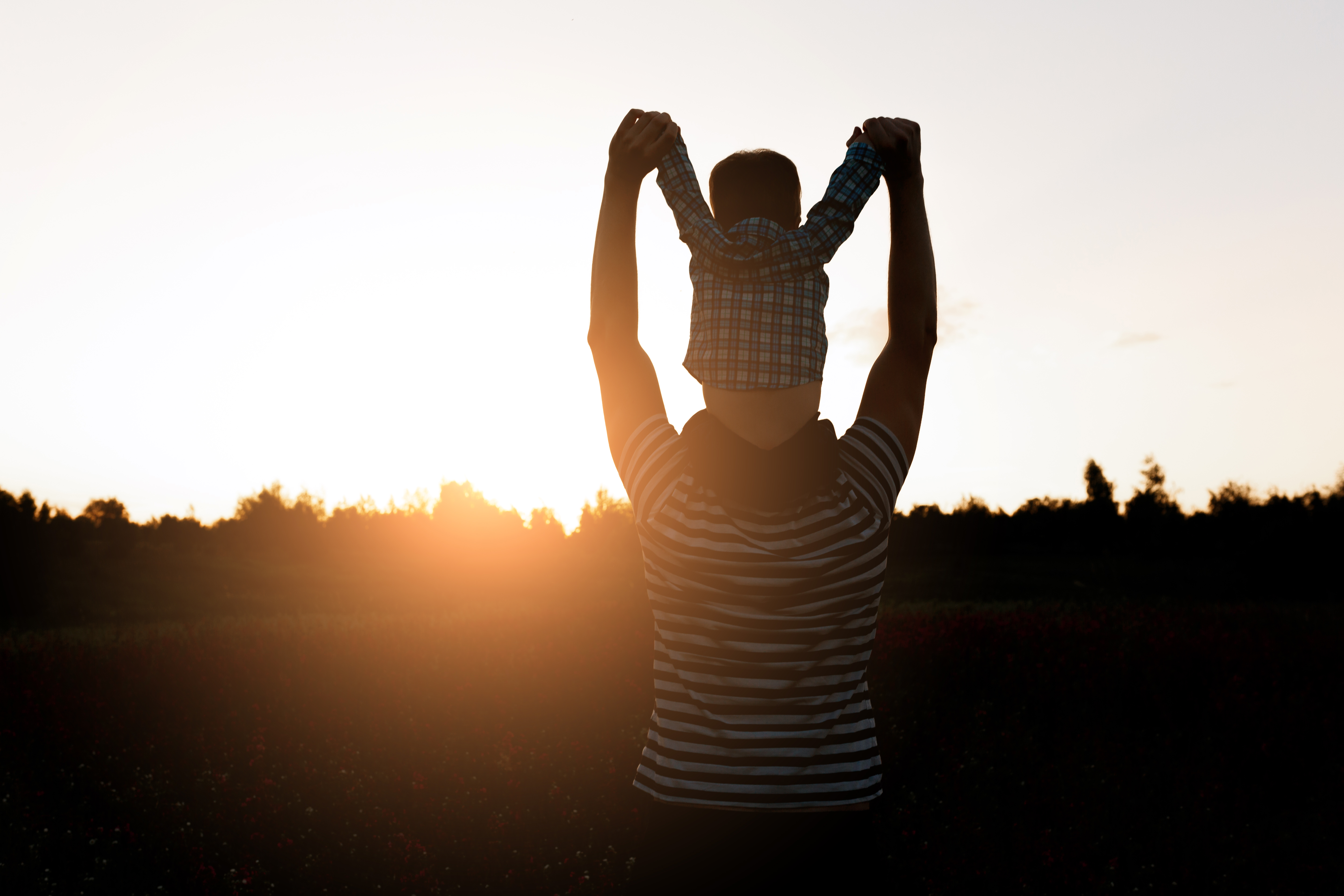
But it also asks us to watch the strongest people we have ever known rely on us more than we rely on them. It asks us to make decisions we never imagined making. To accompany our parents to hospital. To understand medical reports. To become emotionally steady even when we feel anything but steady.
And perhaps that is the hardest lesson of all.
Life has a peculiar way of balancing its gifts. It gives us adulthood with one hand and gently takes away the comforting illusion of childhood with the other. The world outside may never feel as safe as our mother's lap or as reassuring as our father's hand. Life has its own way of humbling us. It gently rearranges our roles, teaches us patience, and reveals a kind of grace we never knew we had within us.
The hands that once held ours will eventually need us to hold them. The tragedy is that we spend our childhood believing those hands will never let go. The privilege, however, is that if we are fortunate enough, we get the chance to hold them back. We never know when that reversal begins. Sometimes, it begins at 5:36 on an ordinary morning with a knock on your bedroom door that quietly divides your life into a before and after.
Adrita Islam is a Lecturer specialising in political science and streaming media culture. When she is not teaching or reporting the news, she enjoys untangling her thoughts and putting them into words. If any of her thoughts happen to resonate with you, feel free to reach out to her at adrita027@gmail.com.
Send your articles for Slow Reads to slowreads@thedailystar.net. Check out our submission guidelines for details.
What can a teacher give that AI cannot?
What phuchka and jhalmuri can teach us about the science of taste
Remembering Yayoi Kusama: My encounters with the master of infinity
Dress and morality : The politics of what women wear
Is being single at 35 a failure?
Travelling through books / One more page please, Mama
BTV does not need a new look to have a new future
Why is there so much anxiety about women’s bodies?
Buddhadeva Bose: As I knew him