


Myanmar's tourism fades
Only a few years ago Beyonce and Jay-Z were posing for photos among Myanmar's famed temples, heralding the former junta-run country's rise as one of the hottest new tourist destinations on the map.
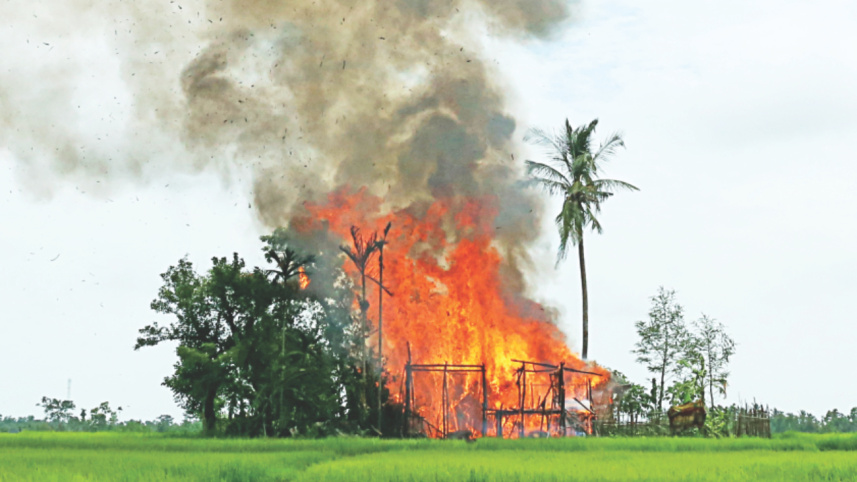
But that dream is cracking as images of burnt villages and Muslim Rohingya fleeing army-led violence in western Rakhine shock the globe, sparking outrage over a staggering scale of human suffering that has festered along the border.

Ever since the bloodshed broke out in late August, tourism operators have witnessed a cascade of cancellations, rippling fear through a nascent industry that was gearing up for its high season in October.
"Almost all the trips scheduled for October and November have been cancelled due to instability in the country, because of the situation in Rakhine state," said Tun Tun Naing from New Fantastic Asia Travels and Tour, an agency that leads trips to the pristine beaches and mist-shrouded lakes that dot the lush country.
"Most groups in Japan, Australia and other Asian countries cited security reasons and some Europeans have clearly said they boycotted because of the humanitarian situation," he told AFP.
In Yangon, a bustling city known for its crumbling colonial architecture, some foreign tourists could still be seen circling the gilded Shwedagon Pagoda that looms over the former capital.
But they admitted that the ongoing crisis is an awkward backdrop for their holiday.
"It's very sad to see what the country is becoming, our guide told us that Muslims were dangerous and that they were not Burmese," said French tourist Christine, who declined to give her surname, of a crisis that has spiked religious tensions in the Buddhist majority country.
Some distinguished guests are also keeping their distance, with Prince Charles, heir to the British throne, and his wife Camilla deciding to skip a stop in the former colony during an autumn tour of Asia.
There are fears the refugee crisis could throw Myanmar's fledgling tourism sector back to the dark days under military rule, when many travellers passed over the pariah state to avoid lining the pockets of generals who brutally suppressed human rights.
 For all latest news, follow The Daily Star's Google News channel.
Comments