


Singapore Zika is Asian
Singapore yesterday reported 215 cases of Zika infections as scientists in the city-state said the virus strain comes from within Asia and was not imported from Brazil.
The Ministry of Health and National Environment Agency said in a joint statement that of the 26 new cases reported yesterday, 24 were linked to a cluster in the Aljunied district where the country's first locally-transmitted cases were reported.

The statement did not say where the other two cases were from.
A week after Singapore reported its first case of locally transmitted Zika infection, local scientists say they have completed genetic sequencing of the virus.
"The analysis found that the virus belongs to the Asian lineage and likely evolved from the strain that was already circulating in Southeast Asia. The virus from these two patients was not imported from South America," the statement said.
Malaysia yesterday confirmed its first locally transmitted case of Zika infection in a man living in the eastern Malaysian state of Sabah.
This comes two days after the first case on Malaysian soil was reported in a woman who is believed to have contracted it while visiting her daughter in neighbouring Singapore.
A study published Friday in The Lancet Infectious Diseases journal said at least 2.6 billion people could be at risk from the virus in mosquito-ridden parts of Africa, Asia and the Pacific.
Zika, which is spread mainly by the Aedes mosquito, has been detected in 67 countries and territories including hard-hit Brazil.
It causes only mild symptoms for most people such as fever and a rash.
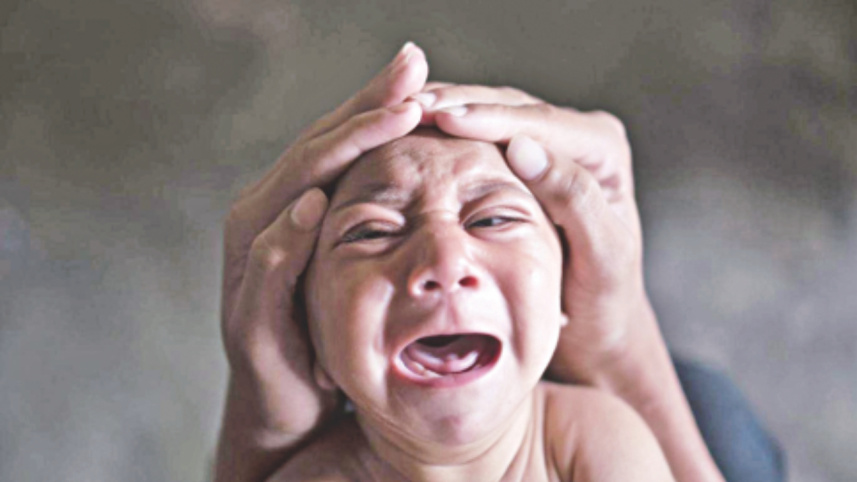
But pregnant women who catch it can give birth to babies with microcephaly, a deformation marked by abnormally small brains and heads.
Malaysia already has struggled in recent years to control the spread of Aedes-borne dengue fever.
"Zika cases are expected to increase further (in Malaysia), especially if prevention activities for Aedes are not seriously taken up by the community, individuals and other relevant agencies," the health ministry statement said.
Malaysia has stepped up screening of travellers from abroad, particularly Singapore, and fogging with mosquito-killing chemicals while urging the public to eliminate mosquito breeding sites such as stagnant water.
 For all latest news, follow The Daily Star's Google News channel.
Comments