


EU unveils plan to avoid 'Brexit'
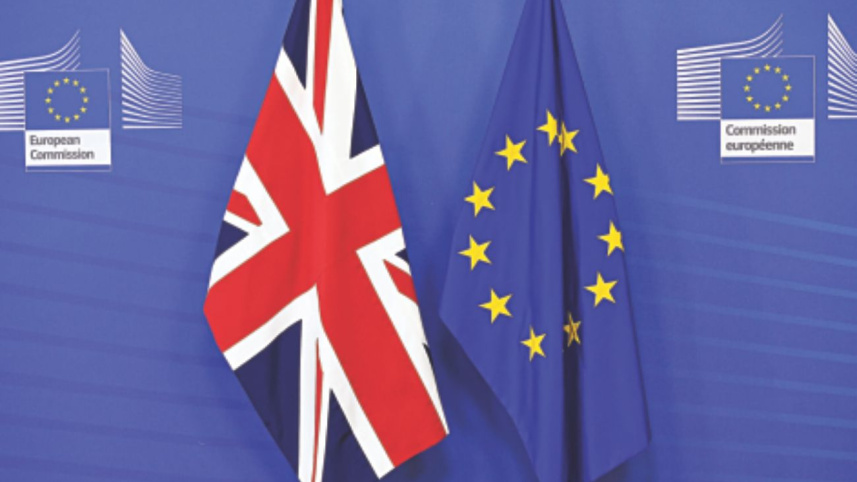
European Council President Donald Tusk yesterday presented proposals for keeping Britain in the European Union to a mixed response, underlining the challenges Prime Minister David Cameron faces to win over his people and other EU leaders.
The proposals, which addressed all four areas where Cameron has demanded reform, did little to ease doubts among his more Eurosceptic lawmakers and even some of the prime minister's closest allies wondered out loud if the package -- which must still be agreed by other EU states -- would be enough.

The two sides have been locked in talks trying to find a way for Cameron to win what he calls the "best deal possible" for Britain while keeping other EU states onboard before a referendum which could take place as early as in June.
Tusk's text said Britain could immediately suspend welfare payments to EU migrants for four years if Britons voted to stay in the bloc and could, alongside other countries, have new powers to block legislation. Britain could also opt out of further political integration in the 28-member bloc.
But with Eurosceptics describing the talks as "trivial" and some of Cameron's allies saying the proposals would probably need more work, a summit of EU leaders on Feb 18-19 was gearing up to be a difficult meeting.
Cameron said in a Tweet: "Draft EU renegotiation document shows real progress in all four areas where UK needs change but there's more work to do."
In the text, Tusk's proposal would have a legally binding provision allowing a group of 55 percent or more member states to either stop EU legislation or demand changes to address concerns Britain has handed too much power to Brussels. It also included a clause saying Britain could suspend some payments to migrants from the bloc for four years, starting immediately after the referendum, after meeting the conditions to trigger a so-called 'emergency brake'.
As well as curbing migration and returning powers to Britain, Cameron also wants his country excluded from the EU goal of "ever closer union" and says it should be protected against moves by the 19 countries that share the euro currency to impose rules by majority vote on London.
There is much still to decide, including how long the so-called "emergency brake", or suspension, on welfare payments to migrants will be in force and how to enforce protection for London's financial industry.
 For all latest news, follow The Daily Star's Google News channel.
Comments