


'Below our expectations'
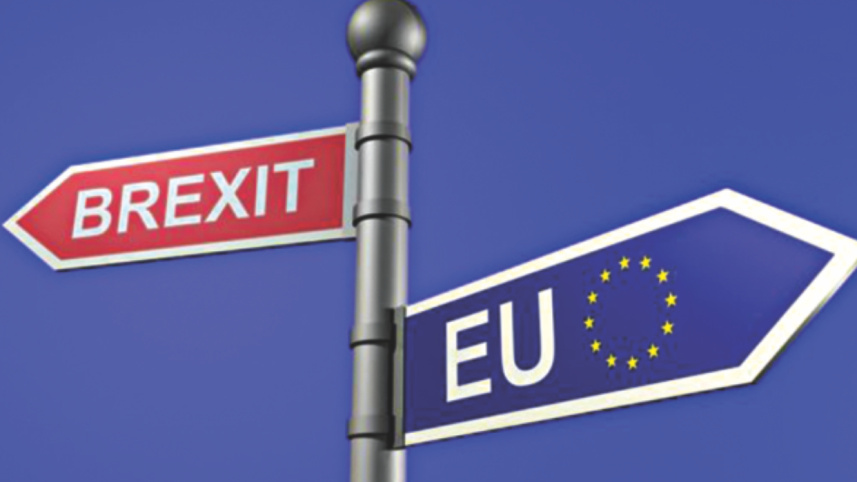
EU leaders yesterday warned that Britain's plans to protect the rights of European citizens post-Brexit risked leaving them worse off, after Prime Minister Theresa May made what she insisted was a "fair" offer.
"My first impression is the UK offer is below our expectations and this risks worsening the situation of our citizens in the UK," EU President Donald Tusk told a news conference after the second day of a Brussels summit.

European Commission chief Jean-Claude Juncker told reporters that May's offer to EU leaders over dinner late Thursday was a "first step but this step is not sufficient".
The fate of around three million European citizens living in Britain after Brexit is one of the most contentious issues in the negotiations on Britain's withdrawal from the 28-member bloc, which began on Monday.
One year after Britain voted to leave in the June 23 referendum, May promised that nobody would be forced to leave after Brexit, offering permanent rights over healthcare, education, welfare and pensions to Europeans who arrive before a cut-off date.
But she declined to say when that date would fall, offering only a window between March 29, 2017, when Britain triggered the Brexit process, and its expected departure two years later.
"It was a good start, but also not yet a breakthrough," said German Chancellor Angela Merkel, the EU's most powerful leader, adding that there was still a "long way to go".
Belgian Prime Minister Charles Michel said the proposal was "particularly vague".
But May defended the proposal, telling reporters at the end of the summit: "I remain of the view that this is a fair and serious offer.
"What we're saying is that those citizens from EU countries who have come to the United Kingdom, who have made their lives and their homes in the UK, will be able to stay and we will guarantee their rights in the United Kingdom."
Meanwhile EU leaders agreed to roll over damaging economic sanctions against Russia for another six months because Moscow has failed to meet its Ukraine ceasefire commitments, Tusk said.
The decision will be formalised in July and become effective on July 31, when the current measures are to expire.
The EU imposed the economic sanctions against Russia after the shooting down of Malaysia Airlines flight MH17 in July 2014 with heavy loss of life, blamed by the EU on pro-Russian rebels in eastern Ukraine.
Up to that point, many European Union member states, especially France and Germany, had been reluctant to make a move which would cost them as well as Russia.
The decision, which was widely expected, came as newly-elected French President Emmanuel Macron and Merkel briefed their colleagues on Franco-German efforts to make the Minsk ceasefire agreement work.
The Minsk accord, backed by Moscow and Kiev, was first reached in late 2014 and then re-worked in early 2015 but has been breached almost daily.
 For all latest news, follow The Daily Star's Google News channel.
Comments