


Russia must stop bombing FSA
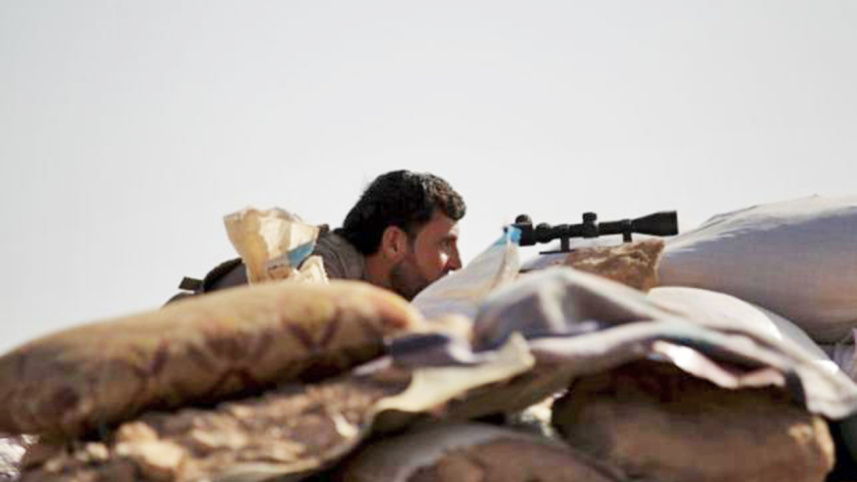
An alliance of Free Syrian Army-related groups in southern Syria said yesterday Russia must stop bombing rebels before they could talk about cooperating with it, saying they hadn't turned down an offer of support but Moscow must first halt its attacks.
"We didn't turn down the offer. We just said if the Russians are serious in their offer they should stop immediately targeting our bases and targeting the civil areas," Issam al- Rayyes, spokesman for the Southern Front of the Free Syrian Army, told the BBC.

"We don't need the help now, they should stop attacking our bases and then we can talk about future cooperation."
Russian air strikes have hit several rebel groups affiliated to the Free Syrian Army in areas of western Syria crucial to President Bashar al-Assad's survival.
Areas where the Southern Front operates near the border with Jordan and Israel have not been targeted in Russian air strikes, which have struck areas further north.
Groups affiliated to the FSA have been eclipsed in much of Syria by jihadists including the al Qaeda-linked Nusra Front and the Islamic State group -- the stated target of the Russian intervention in the war.
But a number still exist, led mostly by former Syrian military officers who defected from the army. Some have received foreign military support, including training from the Central Intelligence Agency, and weapons.
Meanwhile, cholera has broken out in Syria, with one child having already died after contracting the disease – and the outbreak could constitute an "international threat".
The break-out, which follows one in Iraq, could spread rapidly, according to Dr Ahmad Tarakji, president of the Syrian American Medical Society (Sams), the largest medical NGO still working in Syria.
Speaking to The Independent, Dr Tarakji said that Syria's already crippled medical infrastructure, and the lack of access available to aid agencies, meant the disease could spread quickly, both inside the country and across borders.
"It spreads so easily. People are being displaced inside and outside, people are going to Europe," he said.
There are over four million registered Syrian refugees and nearly eight million internally displaced. A five-year-old boy who died last week in Aleppo province was "very likely" to have been killed by cholera, Dr Tarakji said. In a memo to NGOs working in northern Syria, the World Health Organisation said it was treating it as a "suspected case" of cholera and that initial tests were positive. "A huge number of people could be exposed," said Dr Tarakji, as "historically it affects people who are displaced".
 For all latest news, follow The Daily Star's Google News channel.
Comments