


Spies used Mossack Fonseca
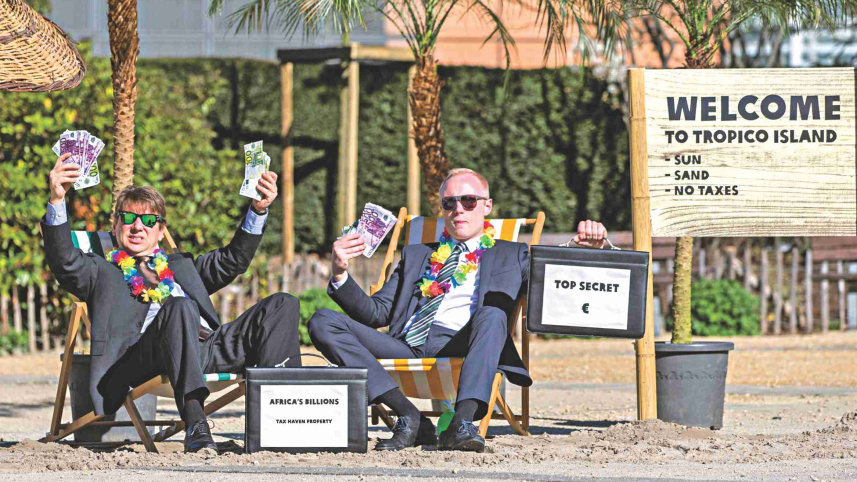
Secret agents from several countries, including intermediaries of the CIA, have used the services of Panamanian law firm Mossack Fonseca in order to "conceal" their activities, German newspaper Sueddeutsche Zeitung reported yesterday.
"Secret agents and their informants have made wide use of the company's services," wrote the newspaper, which obtained a massive stash of 11.5 million documents from the company that is sending shockwaves around the globe.

"Agents have opened shell companies to conceal their activities... Among them are close intermediaries of the CIA," the newspaper reported.
The Munich-based newspaper said Mossack Fonseca's clients included "several players" in the 1980s Iran-Contra scandal, which saw senior US officials facilitate secret arms sales to Iran in a bid to secure the release of American hostages and fund Nicaragua's Contra rebels.
The Panama Papers also reveal that "current or former high-ranking officials of the secret services of at least three countries... Saudi Arabia, Colombia and Rwanda" are listed amongst the company's clients, the Sueddeutsche said.
Among them was Sheikh Kamal Adham, the former Saudi intelligence chief who died in 1999. Adham "spent the 1970s as one of the CIA's key intermediaries" in the Middle East, the daily said.
Meanwhile, the EU yesterday unveiled plans to force the world's biggest multinationals to faithfully report earnings and pay their fair share of taxes, saying the Panama Papers scandal added to the need for change.
The European Commission, the EU's executive arm, said under the new rules big companies operating in Europe would have to make public what they earn in each member state of the 28-nation bloc.
"The Panama Papers have not changed our agenda but strengthen our determination to make sure taxes are paid where profits are generated," EU Financial Services Commissioner Jonathan Hill told a news briefing at the European Parliament in Strasbourg, France.
Longstanding criticism of corporate tax policy blew up into the open with the Lux Leaks scandal in 2014, which exposed secret sweetheart tax deals given to huge corporations -- including the likes of IKEA and Pepsi -- by the small duchy of Luxembourg.
These companies are accused of recycling earnings from across the globe back through Luxembourg or other havens where authorities secretly allow them effective tax rates as low as two percent.
The Brussels-based Commission said corporate tax avoidance in Europe cost an estimated 50 to 70 billion a year in lost government revenues.
 For all latest news, follow The Daily Star's Google News channel.
Comments