


UK to formally trigger Brexit on March 29
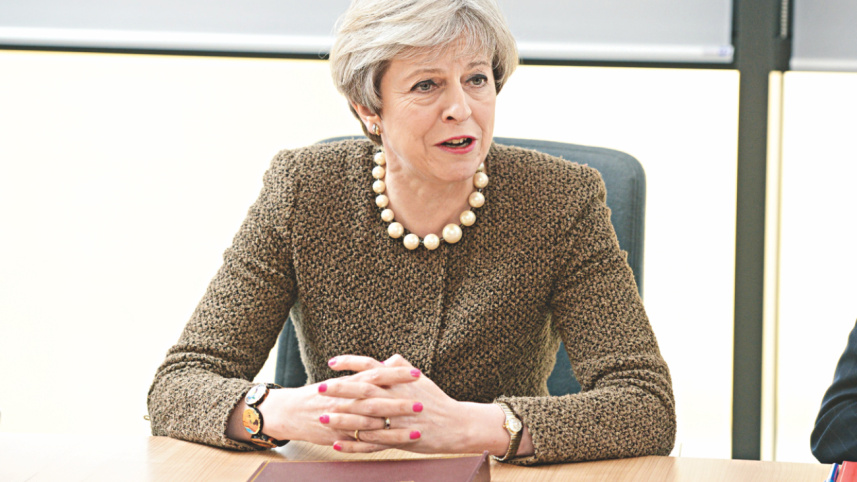
Britain yesterday said it will begin leaving the European Union on March 29, setting an historic and uncharted course to become the first country to withdraw from the bloc by March 2019.
Nine months after the stunning referendum vote for Brexit, Prime Minister Theresa May's government will finally trigger Article 50 of the EU's Lisbon Treaty next week, starting a two-year exit process.

"We are on the threshold of the most important negotiation for this country for a generation," said Brexit minister David Davis.
The European Commission said immediately that it was ready to begin negotiations, although a source in Brussels said it would take "four to six weeks" to arrange a summit to agree a common EU position.
Britain is one of the oldest and largest members of the 28-nation bloc, and its departure has raised fears for the EU's future as eurosceptic movements gain support across the continent.
London has repeatedly said it wants to maintain good relations with its European allies, but major battles await, in particular over budget contributions, immigration and future trade ties.
Britain has said it wants to agree its divorce and a new relationship with Europe within the two years.
The deal would have to be agreed by all the EU's national and some regional parliaments.
May's Downing Street office yesterday repeated that a deal is possible, although lawmakers have warned her government to prepare for failure -- and for Britain to crash out of the EU with no agreement in place.
The prime minister has long said she would start the Article 50 process by the end of this month.
Britain's ambassador to the EU, Tim Barrow, on Monday morning informed the office of EU President Donald Tusk that it would do so on March 29, her spokesman told reporters.
The British government says the Brexit process is irreversible once Article 50 is triggered, although experts have said there is no legal ban on member states changing their minds before they have actually left the EU.
May's preparations for Brexit were wrong-footed last week when Scottish First Minister Nicola Sturgeon announced plans to hold a new independence referendum in order to keep EU ties.
The prime minister is expected to visit Scotland before triggering Article 50, as part of a tour of Britain that began yesterday in Wales and will also take in Northern Ireland.
May's decision to withdraw Britain from Europe's single market has also provoked concern in Northern Ireland, by raising the prospect of the return of customs posts with EU member Ireland to the south.
Scotland and Northern Ireland voted to stay in the EU in the June 23 referendum, while England and Wales voted to leave, resulting in a UK-wide vote of 52 percent for Brexit, and 48 percent against.
 For all latest news, follow The Daily Star's Google News channel.
Comments