


WHAT WE KNOW
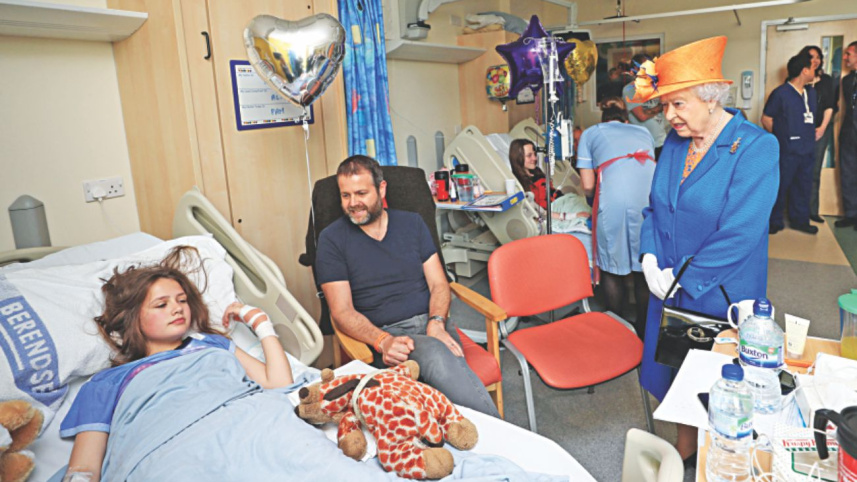
Britain has raised its terror alert to the maximum level and ordered troops to protect strategic sites after 22 people were killed in a suicide bomb attack on a Manchester pop concert. Here is what we know so far about Monday's attack, the deadliest in Britain since 2005.
WHAT HAPPENED?
Police said they were called at 10:33pm Monday after an explosion at Manchester Arena during a concert by US pop star Ariana Grande, who is popular with teenagers and pre-teens. Witnesses described a "huge bomb-like bang" and scenes of panic as young fans rushed out and parents waiting outside searched frantically for their children. The bomber used an improvised explosive device apparently packed with nails and other metal objects outside one of the exits at the 21,000-capacity arena.

WHO IS BEHIND IT?
The suspected bomber has been identified as 22-year-old Salman Abedi, a British student dropout born to Libyan parents who fled the regime of slain dictator Muammar Gaddafi. Interior minister Amber Rudd confirmed on Wednesday that Abedi was known to intelligence services. A total of 10 people are being held in Britain and Libya over the bombing since Tuesday, including Abedi's father and brother in Libya. Libyan authorities said Abedi's brother had been aware of the attack plan. Abedi's father was once part of a Libyan militant group with alleged ties to al-Qaeda, a Libyan security source said yesterday. French Interior Minister Gerard Collomb said Abedi had become radicalised after a trip to Libya and probably Syria as well. The Islamic State group has claimed responsibility.
WHO ARE THE VICTIMS?
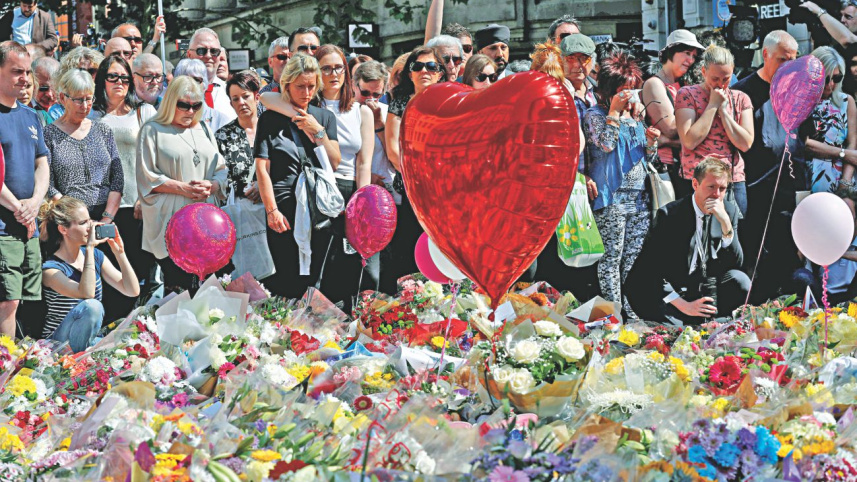
Twenty-two people were killed and 116 injured, 75 of whom remain in hospital. Twenty-three of the injured remain in critical care. Eight-year-old Saffie Rose Roussis is so far the youngest named victim. She attended the concert with her mother and older sister, who were both injured.
SECURITY MEASURES
Prime Minister Theresa May on Tuesday placed the country on its highest level of terror alert -- "critical" -- meaning a new attack is believed to be imminent. Soldiers have been sent to assist armed police to protect strategic sites. The last time troops were deployed on British streets was in 2007.
OTHER ATTACKS ON UK SOIL
The Manchester bombing is Britain's second terror attack in two months. On March 22, five people were killed and more than 50 injured when a man ploughed into pedestrians on Westminster Bridge in central London. The attacker, 52-year-old Khalid Masood, fatally stabbed a police officer before being shot dead by police outside parliament. The deadliest bomb attack on British soil took place in July 2005 when four British suicide bombers inspired by Al-Qaeda attacked London's transport system, killing 52 people and wounding 700.
 For all latest news, follow The Daily Star's Google News channel.
Comments