


What you need to know
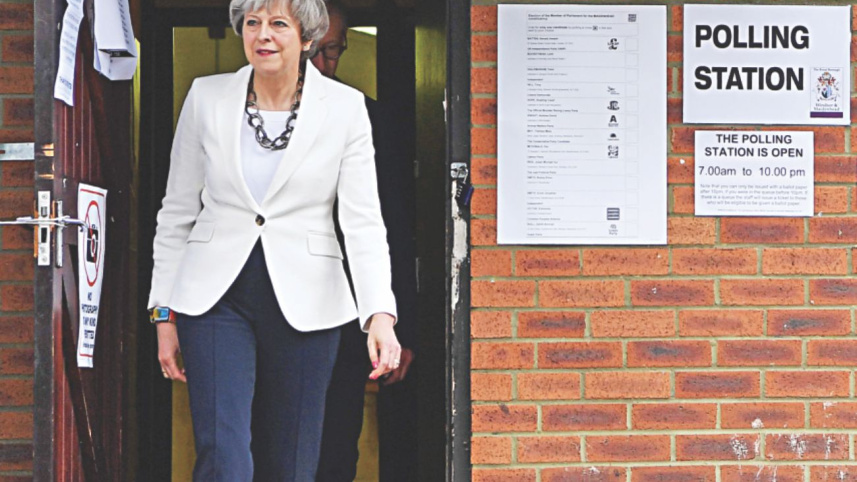
Marred by two terror attacks during the campaign, Britain's snap general election yesterday decided who shapes the United Kingdom's future as it leaves the European Union. Conservative Prime Minister Theresa May, who came to power without a national vote last year after David Cameron's resignation, called the election three years early after just one year in charge.
WHY IS THE ELECTION IMPORTANT?
The vote will determine who gets to negotiate Britain's departure from the EU over the next two years, and the strength of mandate that the government will have in parliament for five years. Britain's new leader will also have to deal with the aftermath of a terror rampage in a nightlife hub in London on Saturday night, the third Islamist attack in the country in less than three months. It holds veto power at the United Nations, where it is one of the five permanent members of the Security Council along with China, France, Russia and the United States.

HOW DOES THE ELECTION WORK?
There are 650 constituencies across the UK, meaning 326 MPs are needed for an absolute majority in parliament's lower House of Commons. May had a slim working majority of 17 at the dissolution of the last parliament and called the election in a bid to strengthen her position going into the Brexit talks. Each constituency is won on a first-past-the-post basis, meaning the candidate with the most votes in that seat becomes its MP. Despite the focus on the party leaders, voters are not directly choosing their prime minister, only their local MP. A parliament is elected for a maximum of five years.
VOTING
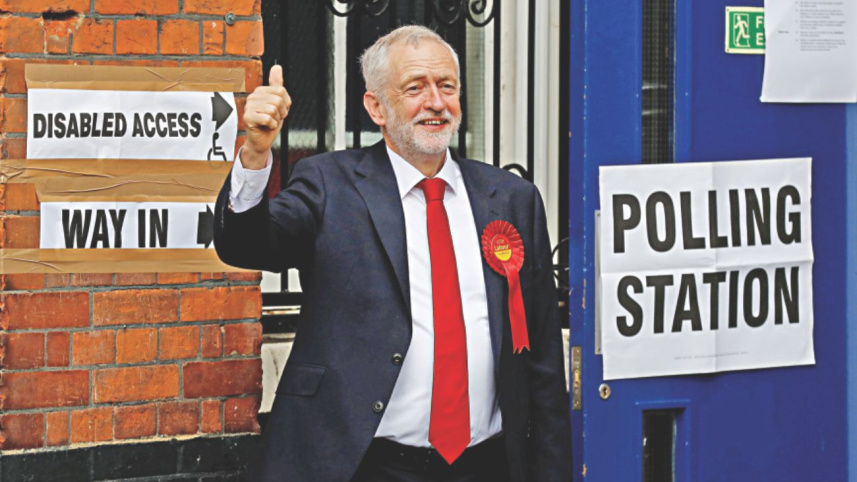
The polls are open from 7:00am (0600 GMT) until 10:00pm (2100 GMT) on June 8. There are around 47 million registered voters. British, Irish and Commonwealth residents aged 18 and over can vote, plus British citizens living abroad who have been registered to vote in the UK within the last 15 years. Citizens must register to vote and voting is not compulsory.
OPINION POLLS AND ISSUES
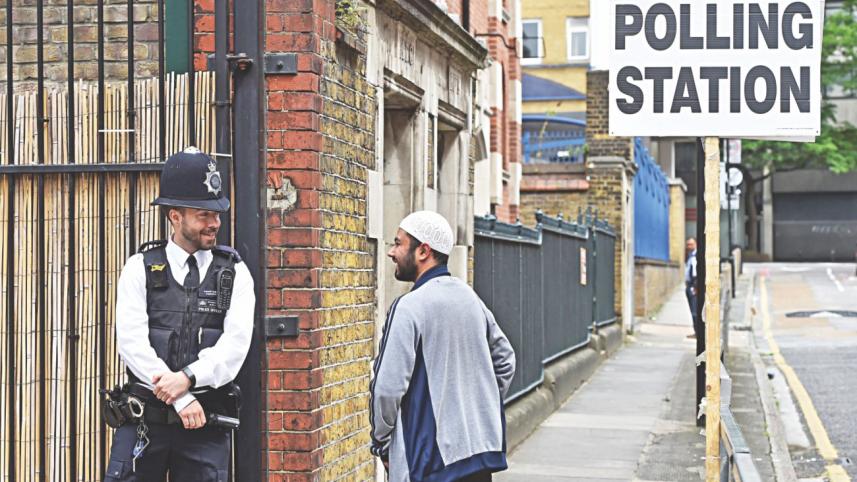
Polls suggest the Conservatives are on course for victory. However, Labour might be able to form a government with backing from smaller left-wing parties. The main issues are Brexit, terrorism, the state-run National Health Service, immigration and the economy, according to polls.
WHAT HAPPENS AFTERWARDS?
The vote-counting begins immediately after the polls close and by dawn on June 9 the picture of who has won should be clear. As soon as possible, the head of state, Queen Elizabeth II, asks the person most likely to command the confidence of the Commons to become prime minister and form an administration. This will typically be the leader of the largest party and would happen only once the likely nature of the government is clear. Parliament meets on June 13 to elect a new speaker and swear in MPs. The state opening of parliament by Queen Elizabeth takes place on June 19. The Brexit negotiations are also due to start in the week beginning June 19.
 For all latest news, follow The Daily Star's Google News channel.
Comments