


Germany tightens asylum rules to curb refugee influx
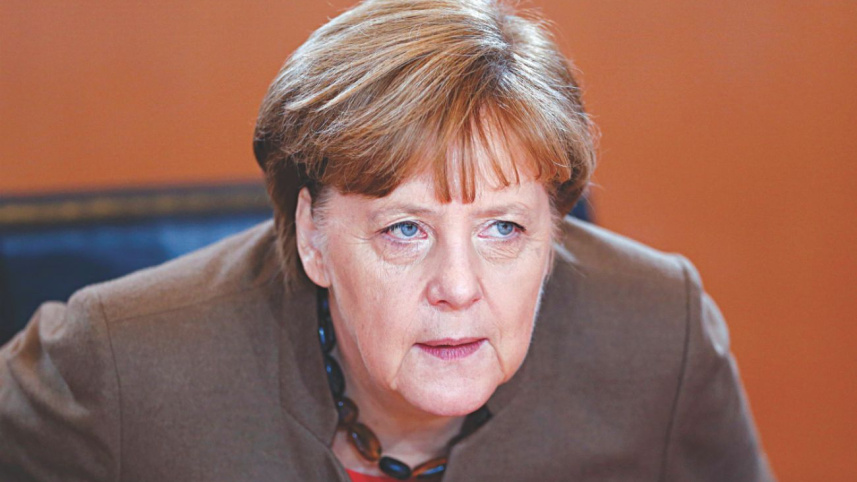
Germany moved to tighten its asylum laws to slow a record migrant influx as police yesterday said number of attacks on asylum centers have surged last year.
Late Thursday, Merkel's coalition government, after months of wrangling, hammered out a deal to limit numbers by blocking some migrant family reunifications and declaring three North African nations "safe countries of origin."

The agreement means citizens of Algeria, Morocco and Tunisia will have little chance of gaining political asylum, echoing steps Germany took for several Balkans countries last year.
Germany will also block family reunifications for two years for rejected asylum seekers who can't be deported because they face the threat of torture or the death penalty in their own country.
Merkel's cabinet should sign off on the measures next week before parliament passes them into law, Interior Minister Thomas de Maiziere said yesterday.
After a decade in power, Merkel has come under fierce pressure to reverse her open-arms migrant policy, with emotions heightened after a rash of sex assaults in Cologne on New Year's Eve police blamed on North Africans.
Merkel has seen her long-stellar poll ratings slide ahead of three state elections in March. A poll published yesterday by news weekly Focus found that 40 percent of respondents want Merkel to resign.
Europe, debate has raged on how to handle the biggest migrant wave since World War II, with Sweden and Finland announcing plans to deport tens of thousands of failed asylum seekers.
Several eastern European countries have sealed their borders.
Merkel has refused to set an upper limit for refugee numbers or to close German borders -- but she has promised a "tangible reduction" of arrivals.
Meanwhile, German police yesterday reported of five times more attacks on migrant hostels in Germany last year than in 2014. The total for 2015 was 1,005, compared with 199 in 2014, the police report said. Far-right activists are suspected in 90% of the cases.
 For all latest news, follow The Daily Star's Google News channel.
Comments