


Epidemic fear grows among homeless
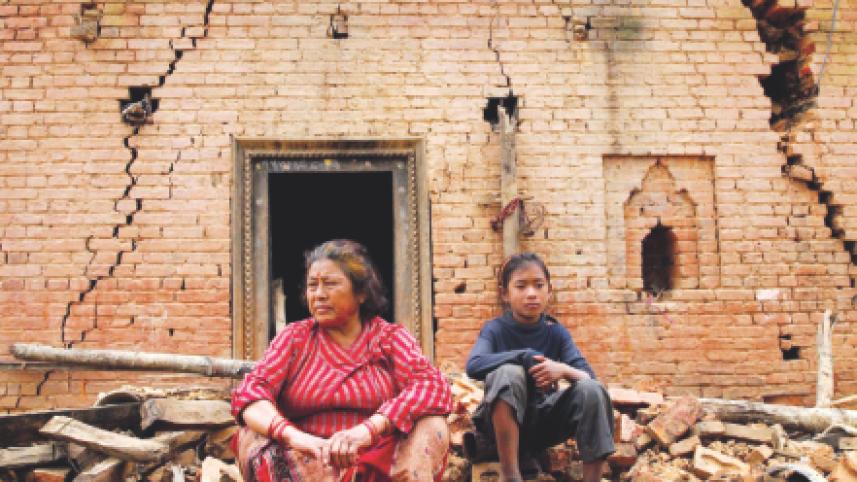
With its sewage system badly damaged, carcasses rotting in the rubble and thousands of people sleeping rough, experts say Nepal faces a race against time to ensure a devastating earthquake does not trigger a public health disaster.
"When you've got an environment where hygiene is poor and people are drinking water from dubious sources there's always going to be a risk of water-borne diseases, diarrhoea and respiratory diseases," Patrick Fuller, Asia-Pacific spokesman for the International Red Cross, told AFP.

In Nepal's ruined capital Kathmandu, thousands have spent five nights so far camped out in the cold, crammed into tents without access to safe, clean drinking water and flushing toilets, forced to defecate in the open.
Fear of disease is sweeping through the camps, with the homeless donning surgical masks and even Nepalese Prime Minister Sushil Koirala wearing one as he toured tents trying to reassure terrified families.
"Sanitation and water facilities at these camps is a real concern," Dr Babu Ram Marasini of Nepal's Epidemiology and Disease Control body told AFP.
"It is already the sixth day and we have told the government that if it doesn't act on these issues in the next 48 to 72 hours it will be too late," he warned.
Kathmandu has witnessed an exodus of worried residents returning to rural villages since the 7.8-magnitude quake flattened large areas of the once vibrant city, some fearful that the capital will be gripped by a health epidemic.
 For all latest news, follow The Daily Star's Google News channel.
Comments