


Trial begins
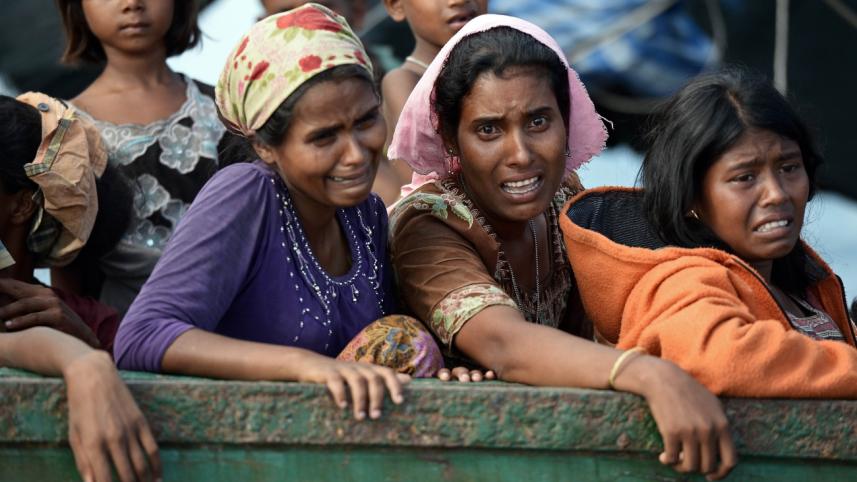
Thai authorities must step up witness protection for a major human trafficking trial with the accused including an army general and one investigator fleeing the country fearing for his life, activists said on Thursday as the first witnesses gave evidence.
The case includes 88 defendants allegedly involved with lucrative smuggling gangs that were trafficking Rohingyas fleeing persecution in Myanmar, holding them for ransom in jungle camps before granting onward passage to Malaysia.

The investigation and arrests followed the grisly discovery in May of 30 bodies in a mass grave near a human trafficking camp close to the Thailand-Malaysia border.
Of 500 witnesses scheduled to testify, only 12 are receiving protection, while two have gone into hiding because of threats and others may follow suit, said Fortify Rights, a non-governmental organisation advocacy group.
"Witnesses are key to ensuring justice is served in this case. Their security should be the utmost concern to the Thai authorities," Fortify Rights Executive Director Amy Smith said in a statement.
One Rohingya man, a longtime legal resident of Thailand, went into hiding after receiving threats, while Police Major General Praween Pongsirin, chief investigator on the case, went into exile and is seeking asylum in Australia.
Two prison buses brought the defendants to court yesterday, including the army general and a suspected kingpin.
The defendants crowded into a seventh floor courtroom and heard testimony from two Bangladeshis who were held for two years in a trafficking camp in Songkhla, near the Malaysia border, said Prayuth of the attorney-general's office.
The court allowed journalists to observe the proceedings by video but barred them from reporting the witness testimony to prevent other witnesses from being influenced.
A court official said last month that hearing testimony from the 500 witnesses could take up to two years.
Thailand has come under fire in recent years for the trafficking of migrants, many of them Rohingya Muslims from eastern Myanmar and Bangladesh facing religious and ethnic persecution. Some migrants faced torture and starvation in the jungle camps.
The country's reputation further suffered after reports of labour violations and slave labour in its huge seafood industry.
Despite the current crackdown and trial, the United States' annual Trafficking in Persons report kept Thailand for a second year on Tier 3 - the lowest tier - for failing to comply with the minimum US standards for the elimination of trafficking.
"The Thai government needs to show its sincerity about prosecuting traffickers by seriously stepping up efforts to protect witnesses who will point fingers at the corrupt officials and Rohingya trafficking gangs," said Phil Robertson, deputy director for Human Rights Watch's Asia division.
 For all latest news, follow The Daily Star's Google News channel.
Comments