


Fuel subsidy without strategy


When a company runs into financial trouble, the first casualty is usually logic. The chief executive announces a budget review. Finance appears with tragic slides. Then each division begins its emotional performance. Marketing says any cut will destroy the brand, sales, and perhaps national morale. Operations insist one taka less will collapse the supply chain. HR warns that culture will die and that employees will start updating their LinkedIn profiles before lunch. After hearing 100 reasons from every department about why their budget is sacred, management often settles on the laziest solution in corporate history: everyone will take an equal cut. One solution for all. Arithmetic pretending to be strategy.
Bangladesh risks doing something similar in fuel policy. Global oil prices rise because of conflict around Iran, and the easiest political response is to keep fuel cheap for everyone. It sounds compassionate. It sounds decisive. It is also deeply lazy if it ignores which fuel matters most, which users are most vulnerable, and which demand can actually be shifted. Bangladesh should protect people, not pump prices.

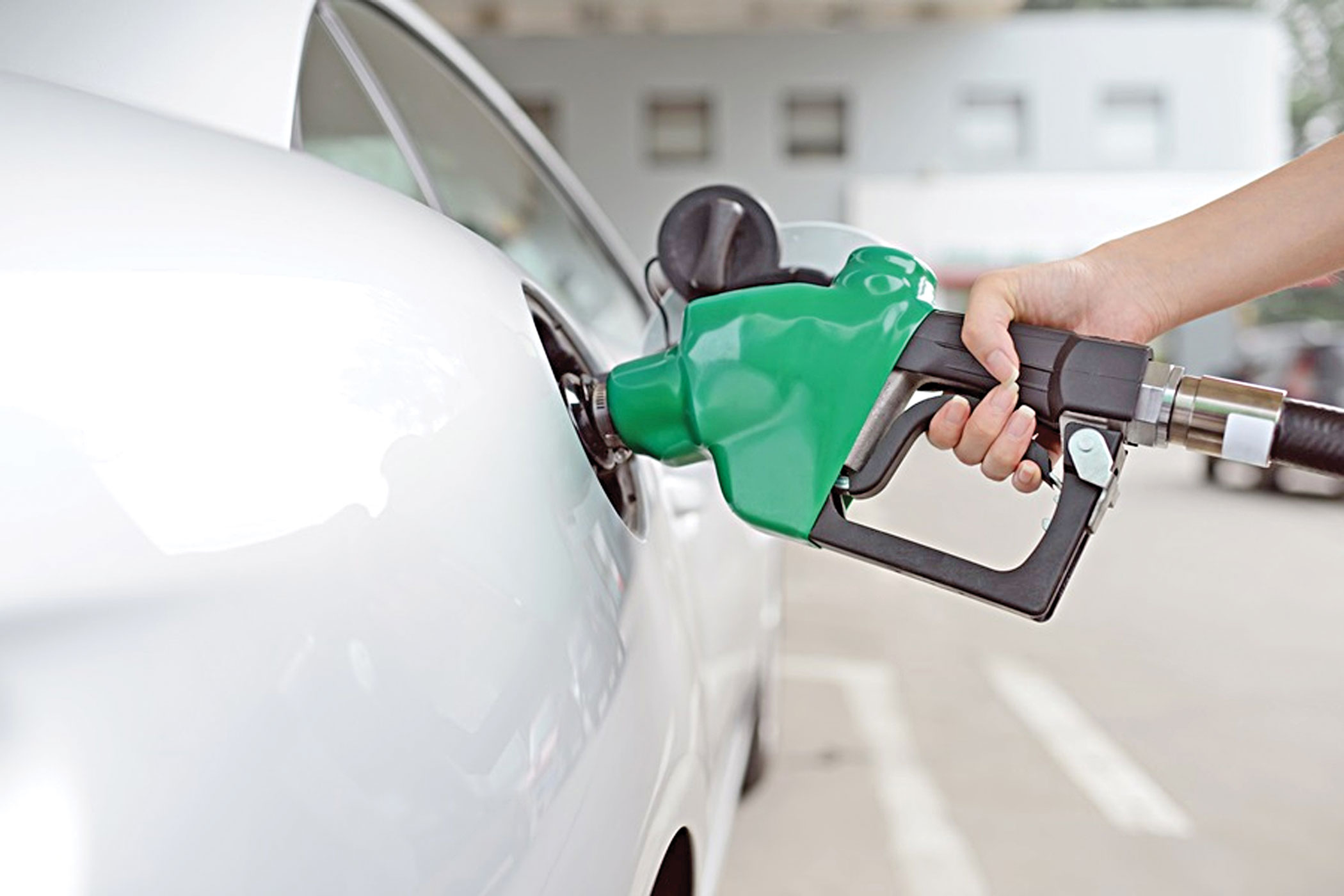
That distinction matters. The diesel that powers irrigation, freight, buses, and food supply chains is not the same as the petrol used by private cars. Yet a blanket subsidy treats all litres as morally equivalent. They are not. A farmer, a bus operator, and a luxury SUV owner should not receive the same generosity from the state. Do not subsidise the product. Subsidise the user.
There is another danger in the Bangladesh context. When domestic fuel is kept artificially cheaper than across the border, the subsidy does not remain a gift for very long. It starts travelling. When a subsidised litre can quietly cross the border, a blanket fuel subsidy stops being social protection and starts becoming export promotion for smugglers. That is not sound economics. That is a very expensive form of self-deception.
The smarter response is strategic targeting. If some support must remain, it should be concentrated where the economic and social impact is greatest. Diesel for public transport, agriculture, freight, fisheries, and essential services deserve priority. Petrol and octane for discretionary consumption do not deserve equal protection.
But Bangladesh has an even greater policy opportunity that many countries lack. It has gas. Bangladesh should not waste this advantage. While many economies facing oil shocks have limited short-run alternatives, Bangladesh already has a CNG ecosystem. Instead of using public money to make every litre of petroleum artificially affordable, the government should preserve and strengthen the economics of gas for buses, three-wheelers, delivery fleets, and commercial users who can switch to or stay on CNG.
This is where the demand side strategy becomes critical. The smartest fuel subsidy is the one that quietly reduces fuel demand. Countries facing oil shocks often do not rely only on price suppression. They also reduce consumption through better freight planning, less idling, route optimisation, ride-sharing, efficient public transport, working & schooling from home like Covid days, and substitution where possible. Bangladesh should do the same.
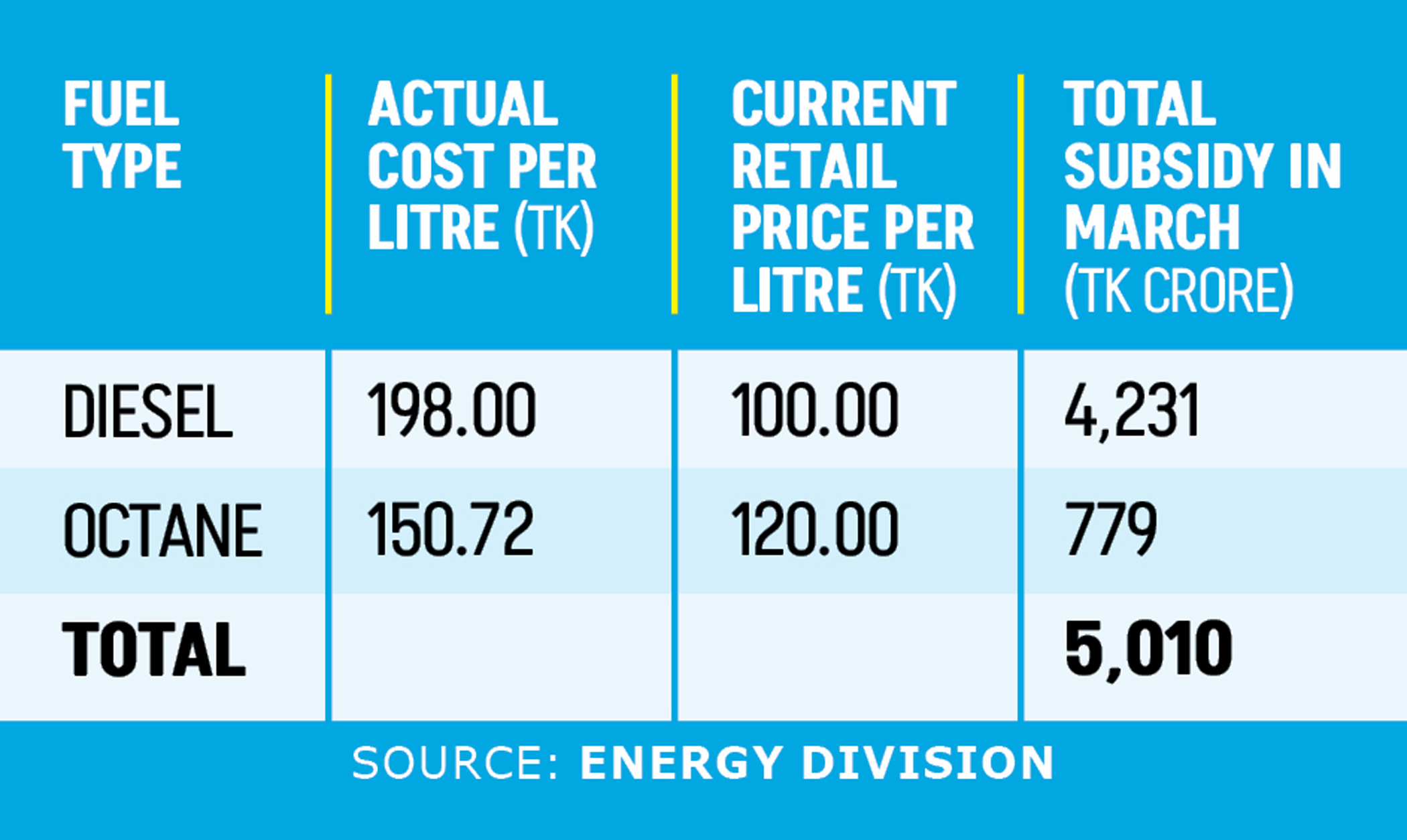
The direct support mechanism is not mysterious either. A bus company can pay the market fuel price for the fuel, but not for CNG-based. This verified database is available with BRTA. Farmers can receive seasonal support linked to irrigation records. Fishing and freight operators can get digital vouchers or direct bank/MFS transfers based on audited need. Low-income commuters can be protected through transport support. That is how policy stops rewarding waste and starts protecting necessity.
In short, Bangladesh must cushion the pain of global fuel shocks, but with strategy, not sentiment. Relief spread blindly across all users may look fair on paper, yet in practice, it is usually policy laziness wearing the mask of compassion.
The writer is the founder of BuildCon Consultancies Ltd and BuildNation Ltd
 For all latest news, follow The Daily Star's Google News channel.
Comments