


Defaulters to be barred from BB’s factory reopening fund

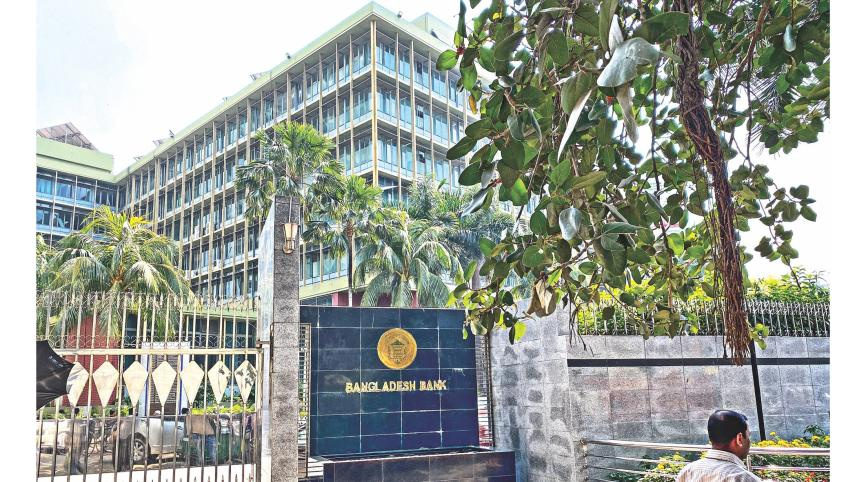
Money launderers, scammers and wilful defaulters will not be eligible for a Tk 20,000 crore refinance fund being prepared by the central bank to restart fully or partially closed factories, according to Bangladesh Bank (BB) officials.
They said only genuine businesses whose factories have shut down due to unavoidable circumstances and which are willing to repay their loans will qualify for loans from the fund.

From the fund, affected factories will receive low-interest working capital loans. In some cases, term loans may also be provided.
BB officials, who are familiar with the matter, told The Daily Star yesterday that the interest rate could be set at 13 percent, with a possible 5 percent subsidy.
The central bank will finalise the policy after it receives approval from the finance ministry on the interest subsidy. The fund will then be launched once all procedures are completed.
On May 1, Prime Minister Tarique Rahman said the government had taken initiatives to gradually reopen closed factories across the country.
He said he had instructed relevant authorities to assess how quickly each factory could be brought back into operation to create employment.
Subsequently, the BB asked commercial banks to submit lists of closed factories to help identify those eligible for financing support.
So far, more than 1,000 fully and partially closed factories and industries have been listed by commercial lenders and submitted to the central bank, according to BB officials. Each of these entities has loans of more than Tk 100 crore.
Besides, a committee headed by BB Deputy Governor Md Kabir Ahmed has begun drafting a detailed policy for the fund.
Central bank officials said discussions are ongoing between the central bank and the government on the form of support needed to reopen closed factories. Once these discussions are completed, the fund will be formed and the policy issued.
Bankers, however, have sought a government or central bank guarantee in case loans extended to reopen factories turn into defaults or bad loans again.
They have also called for additional collateral from entrepreneurs, on top of existing security, for new lending.
In addition, they have proposed allowing banks to appoint consultants to monitor whether factories are operating properly and whether loan funds are being used as intended.
After the fall of the Awami League-led government in August 2024, the central bank under the interim government introduced an easier loan rescheduling policy for affected factories and industries.
 For all latest news, follow The Daily Star's Google News channel.
Comments