


When AI becomes HR
In Bangladesh, we have a beautiful management tradition. When an employee is stressed, we first advise him to “take pressure positively.” If he still looks unhappy, we give him another file, another meeting, and, finally, a motivational poster featuring a flying eagle. Now imagine the same employee opening an AI chatbot at midnight and typing, “My boss has turned my life into a daily cyclone. What should I do?” The robot calmly replies, “You should communicate openly, maintain work-life balance, and prioritise your mental wellbeing.” The employee smiles for two minutes, closes the laptop, and returns to the same office where nobody has time to listen.
A recent article in Harvard Business Review warns that employees are increasingly using AI for emotional support, career advice and even companionship. The danger is not that AI is becoming intelligent. The danger is that workplaces are becoming emotionally unavailable. AI listens patiently. It does not interrupt. It does not say, “Let us discuss after Eid.” Unlike many HR departments, it also does not begin every conversation with “as per policy.”

For Bangladesh, the issue may seem premature, as most organisations are still far from meaningful AI adoption. Many companies are still struggling with proper ERP use, data discipline and performance management. In some offices, “digital transformation” still means scanning a paper file and forwarding it on WhatsApp. Yet the behavioural shift has already started. Young professionals are quietly using AI tools to draft emails, prepare presentations, handle workplace conflict and even seek emotional reassurance before difficult meetings.
Global research suggests this trend is accelerating. Microsoft, in its 2025 Work Trend Index, highlighted a growing “capacity gap” where employees increasingly rely on AI to cope with overload. McKinsey found that while AI adoption is rising rapidly, very few companies consider themselves truly AI-ready. Gallup surveys also show that employees are more comfortable using AI when managers provide guidance rather than resistance.
The problem in Bangladesh is deeper because many workplaces already suffer from communication gaps. Juniors hesitate to speak honestly. Seniors hesitate to listen patiently. Managers often confuse fear with discipline. HR, in some organisations, is viewed as the department that organises birthdays before issuing termination letters. In such an environment, employees naturally drift toward machines for comfort and guidance.
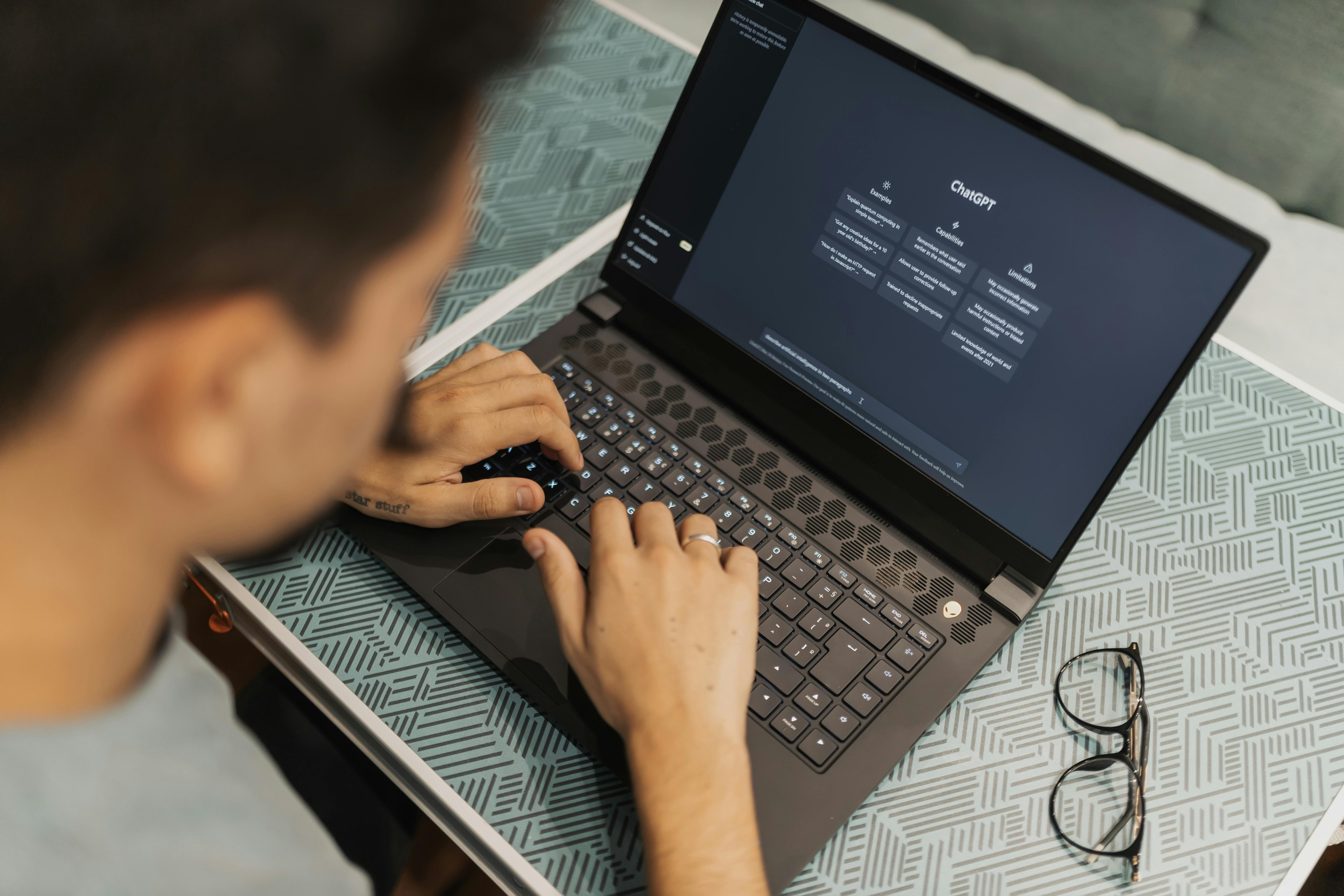
That convenience comes with risks. A junior employee who once sought mentorship from a senior colleague may now ask ChatGPT for it. A young manager who once learned empathy through difficult conversations may now depend on AI-generated scripts. Over time, workplaces may become technically efficient but emotionally disconnected. Teams may communicate more frequently but trust each other less.
Bangladesh has experienced similar problems before. Many companies invested heavily in software without investing in culture or training. Expensive systems often became digital versions of old paperwork. AI carries the same danger. Without human maturity, AI may simply automate workplace loneliness.
The solution is not to resist AI. That would be like banning rain during the monsoon. Companies instead need responsible AI frameworks. Employees should be trained on privacy, ethical use and the limitations of AI-generated advice. Managers need stronger coaching and listening skills. HR departments must evolve from administrative policing into genuine employee support systems.
Organisations should also create mentoring circles, peer discussions and psychologically safe workplaces where employees can speak openly without fear. AI can help people prepare for difficult conversations, but it should not replace human connection itself.
Bangladesh still has an advantage. We can learn from others’ mistakes. The future workplace should not become a silent office where employees whisper their worries to machines because humans are too busy attending meetings about culture. AI may write the memo, but trust, empathy and leadership must still come from people.
The writer is the founder of BuildCon Consultancies Ltd and BuildNation Ltd
 For all latest news, follow The Daily Star's Google News channel.
Comments