

Black coal, thin pickings: China's miners face decline
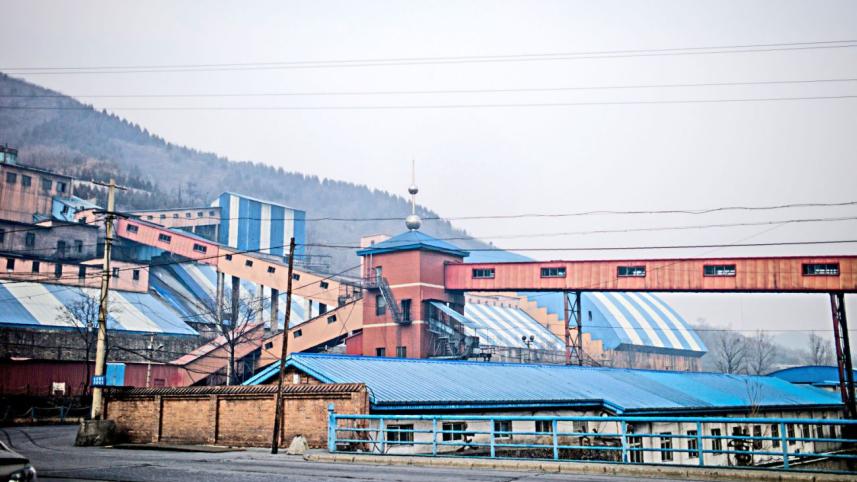
THE global fight against climate change and Beijing's efforts to combat choking pollution have been a disaster for Lu Zhanyong.
Facing unemployment after years working with explosives deep in a coal mine on the outskirts of the Chinese capital, Lu has little hope of finding another job, no rights to farmland in his rural hometown, and fears he is dying of occupational disease.

"They'll just give us contract labourers a bit of severance and send us packing," he said. "But no one wants to hire someone in their 40s."
"There are tens of thousands of miners like us; even if the government wanted to, what could it possibly do for all of us?" he asked.
China's rise to become the world's second largest economy was largely powered by cheap, dirty coal gouged out of the earth by migrant workers like Lu.
But with growth slowing to its lowest rate in 25 years and Beijing beginning to reduce coal's share of the national energy mix, the country's demand for the fuel may have peaked, leaving the miners on the slagheaps of economic history.
All five of Beijing's coal mines, Lu's Da'anshan colliery among them, have been ordered to shut by 2020, the city's main planning body said in November.
Lu came to work for the mine from the distant southwestern province of Sichuan nearly a decade ago.
For now, he makes 4,000 yuan ($560) a month doing some of the most dangerous underground work, paying 200 yuan to rent a small brick room to share with his wife and 10-year-old son.
It is heated by a single coal-burning brazier and papered in colourful government posters decrying the dangers of undiagnosed HIV or coal gas poisoning.
Among Lu's own greatest fears is that he has silicosis, a common miners' lung disease caused by inhaling fine dust, and may not live long enough to raise his son.
"Every year the coal mine authorities give us an exam, but they never give us the results," he said.
The hills surrounding his mine are crowned with heavy machinery, swathed in thick grey smog.
Public discontent about coal's environmental toll has grown in China and many of the country's giant state-owned coal mining firms are now unviable and plagued by overcapacity, leading the government to declare a "war on pollution" and attempt to curb output.
The Asian giant set a target of reducing coal production capacity by 250 million tonnes this year, which Premier Li Keqiang announced had been met by the end of October -- although figures for actual output were not yet available.
Its consumption of the fuel -- the country accounts for half of the world's demand for coal and almost half of its production -- had "likely peaked", the International Energy Agency said Monday.
But critics say that efforts to cut coal use have fallen short of expectations.
Even while China makes cuts to the sector and operates many of its coal-fired power stations at less than half their capacity, it "perversely" has plans to spend as much as half a trillion dollars on building more such units, London-based campaign group Carbon Tracker Initiative said in a report last month.
While coal cuts are crucial for the global battle against climate change, they spell catastrophe for the workers they cast aside.
According to the website of Beijing Coal Group, the state-owned enterprise that owns the mines near the capital, their government-mandated closures will mean the loss of 6 million tons of coal production capacity and the "resettlement" of more than 11,000 workers, mostly migrants.
 For all latest news, follow The Daily Star's Google News channel.
 It did not make clear whether that meant assigning them to other units, sending them home, or simply sacking them.


Comments