


Greece, lenders clinch bailout deal after marathon talks
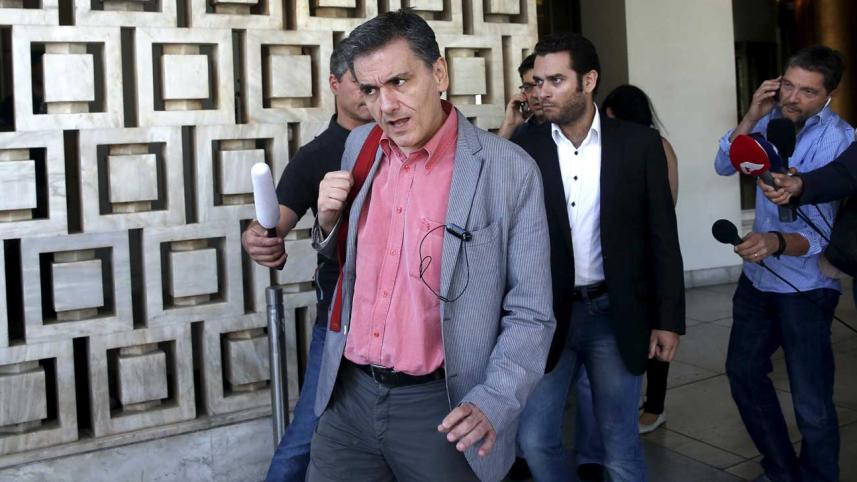
Greece and its international lenders clinched a multi-billion-euro bailout agreement on Tuesday after marathon talks through the night, officials said, raising hopes aid can be disbursed in time for a major debt repayment due next week.
After a 23-hour session that began Monday morning, exhausted Greek officials emerged in a central Athens hotel to announce the two sides had agreed on terms of the three-year agreement barring a couple of minor issues being ironed out.
 For all latest news, follow The Daily Star's Google News channel.
 "Finally, we have white smoke," a finance ministry official said. "An agreement has been reached."
Finance Minister Euclid Tsakalotos confirmed only "two or three small issues" were pending. Greek shares rose, with the banking index surging 6 percent, while two-year bond yields fell more than 4 percentage points.
An agreement would close a painful chapter of aid talks for Greece, which fought against austerity terms demanded by creditors for much of the year before relenting under the threat of being bounced out of the euro zone.
After a deal in principle last month on keeping Greece in the euro zone, the latest round of talks began in Athens three weeks ago to craft the agreement with details on reforms measures, the timeline for implementation and amount of aid.
The pact is expected to be worth up to 86 billion euros ($94.75 billion) in fresh loans for debt-ridden Greece, but there was no immediate confirmation of its size.
Greek officials have said they expect the accord to be ratified by parliament on Wednesday or Thursday and then vetted by euro zone finance ministers on Friday. This would pave the way for aid disbursements by Aug. 20, when a 3.2 billion euro debt payment is due to the European Central Bank.
Facing a revolt from the far-left faction of his leftist Syriza party, Prime Minister Alexis Tsipras is expected to once again rely on opposition support to push the package through parliament. Once the deal is ratified, Tsipras is expected to tighten his grip over the party by facing down rebels at a party congress next month before considering early elections.
Even then, doubts remain about whether a leftist government elected on a pledge to reverse austerity can implement the punishing terms of an agreement that critics say compromises the basic principles it stands for.
Popular misgivings about funnelling yet more money to Athens also run particularly deep in Germany, the euro zone country that has contributed most to Greece's two bailouts since 2010.
Berlin has cautioned that the focus in talks must be on "quality before speed", raising questions about whether it will seek to slow down the process by insisting on strict conditions attached to any aid.
"We're talking about a programme for three years, it needs to be negotiated thoroughly," Deputy Finance Minister Jens Spahn told Germany's ARD television shortly before the deal was announced. "It must be convincing that it's not just about Aug. 20."
Comments