

How a boardroom feud left Brazilian steel giant on the brink
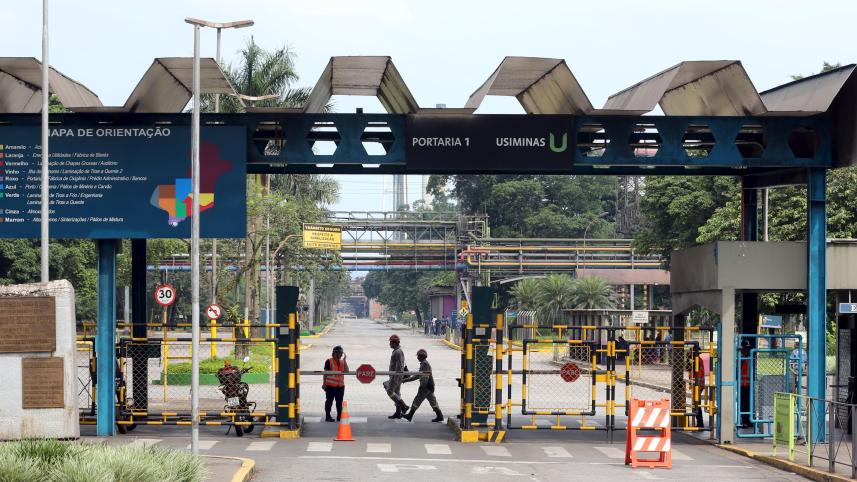
On a warm September morning in 2014, the 10-man board of Brazilian steelmaker Usiminas met on the ninth floor of a blue glass tower in Sao Paulo.
In the room, the board members grappled over whether to fire the company's chief executive and two vice presidents after an audit found they'd claimed excessive bonuses.

The battle lines were clearly drawn, according to accounts given to Reuters by several people who attended.
On one side, Japan's Nippon Steel & Sumitomo Metal Corp , a part of Usiminas since it was founded 60 years ago, insisted the executives had to go.
Rallying to their defense was the company they used to work for, Ternium, a steel producer that is part of closely held Italian-Argentine conglomerate Techint. Ternium had bought into Usiminas in 2012 to get a foothold in the continent's largest and most protected steel market.
The tense impasse marked a new deterioration of a conflict between the two controlling shareholders that has now left the survival of Brazil's largest producer of flat steel in doubt.
Brazil's most tempestuous boardroom feud in years was rooted in a broad clash of corporate cultures and mutual suspicion over supply contracts, according to Reuters interviews with over a dozen former and current employees, including board members and senior executives, as well as union heads and lawyers.
A shareholder meeting this week will decide whether to approve an emergency capital injection of 1 billion reais ($288 million), but analysts question whether it will be enough to save the company.
Usiminas has already closed one of its two main steel mills, slowed work at its mines and laid off thousands of employees, its problems exacerbated by Brazil's worst recession in decades. Both sides increasingly see breaking up the company as the best way to resolve the dispute.
"It went further than common sense should ever have allowed it to," one former board member said of the feud.
Most of the employees, executives and other sources spoke on condition of anonymity, fearing disciplinary action or trouble getting new work in the sector.
Nippon Steel, Ternium and Techint declined to comment.
Usiminas, which has a workforce of around 25,000, said its Cubatao mill had been shut temporarily due to low steel demand and that all its supply contracts, including those with shareholders, go through a bid process. It declined to answer further questions.
As the tense September 2014 board meeting dragged into its sixth hour, Chairman Paulo Penido broke the deadlocked vote and the three executives were dismissed.
With his vote, Ternium lost its grip on the running of the company and the fight for control of one of the nation's most storied steelmakers, previously carried out behind the boardroom door, broke into the open.
Sources say tension was inevitable from the moment Ternium, an outsider with a strong reputation for cost control and productivity, took joint control in 2012.
 For all latest news, follow The Daily Star's Google News channel.


Comments