

Puerto Rico, a US tax haven in tatters
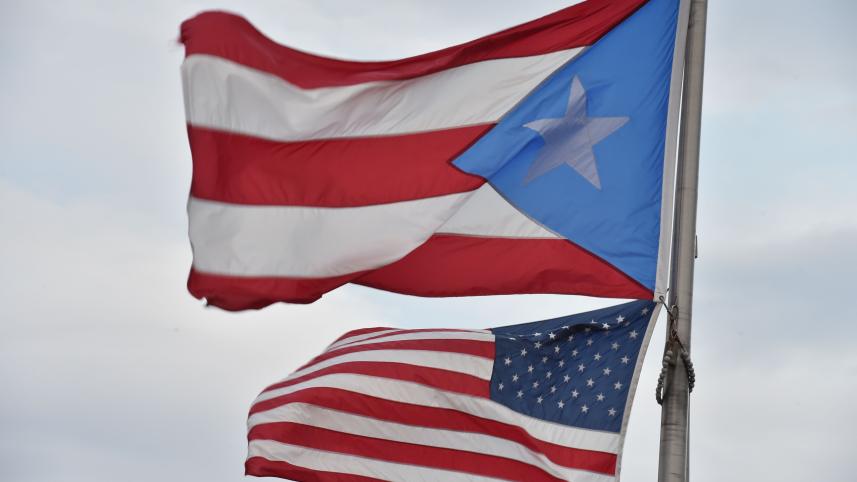
Strangled by debt and a decade of recession, US territory Puerto Rico is pleading for help from Congress.
But ironically the Congress is partly to blame for the Caribbean island's woes, having helped devise its failed economic strategy of becoming a corporate tax haven, and then allowing that attraction to expire.

The island, which defaulted on a huge bond payment on Monday, is grappling with a massive $70 billion debt and a decade of recession after pursuing for years a growth strategy based on offering tax breaks to investors.
Between 1976 and 2006, Section 936 of the US tax code provided US companies operating in Puerto Rico tax-free income from those operations.
US giants like software maker Microsoft and drug makers Pfizer and Johnson & Johnson were among the companies rushing into Puerto Rico to offset the 35 percent US corporate tax rate, the highest among advanced economies.
The surge in investment boosted Puerto Rican growth, with the expansion hitting a robust 9.8 percent annual rate in 2001.
But when the tax break ended after 30 years, little by little companies deserted the island, draining revenues, shedding jobs, and pushing the economy into recession.
"It created a kind of bubble that burst when the mechanism expired in 2006," said Scott Greenberg, an analyst with the Tax Foundation, an independent tax policy research group, in an interview.
"It didn't create a sustainable growth model for Puerto Rico, because the companies were only investing there because of the tax benefits, and because Puerto Rico failed to capitalise on the business activity to develop its economy," Greenberg said.
The island's government, which had a decade to prepare for the end of the tax benefit, did nothing, said Argeo Quinones-Perez, an economics professor at the University of Puerto Rico.
"No effort was made, no industrial policy was decided, no plans were made," he told AFP.
He said that the island had gotten little in return to support growth for various tax advantages offered to companies since the middle of the 20th century.
"We should have obtained more benefits by requiring job creation or direct investment on the island," he said.
Another tax break has aggravated the economic woes of Puerto Rico.
Under a 1917 law that gave Puerto Ricans US citizenship -- but not the right to vote in US presidential elections -- the interest earned on bonds issued by Puerto Rico is exempt from taxes, unlike that for other US states and cities.
That advantage enabled the island to issue huge amounts of debt to hungry US buyers, even as the island's finances and economy deteriorated.
"If their bonds wouldn't have been subsidized by the US tax code, the investors may have stopped buying bonds earlier because their concerns about Puerto Rico's fiscal situation would have outweighed the potential gains from the bond income," Greenberg said.
 For all latest news, follow The Daily Star's Google News channel.


Comments