


Extreme heat costs Bangladesh up to $1.8b, wipes out 465,000 jobs in Dhaka: WB

Heat-induced productivity losses cost Bangladesh an estimated $1.3-1.8 billion in 2024, equivalent to 0.3-0.4 percent of its Gross Domestic Product (GDP), according to a World Bank (WB) report.
The losses rise sharply on days when temperatures exceed 37°C, according to the report, 'A Livable Future: Protecting Jobs and Growth from Extreme Heat in South Asia's Cities,' released on July 29.

The WB report said the impact of heat is most acute in the capital, Dhaka, where heat renders 3 percent of annual working hours unworkable, effectively erasing the equivalent of 465,000 full-time jobs every year.
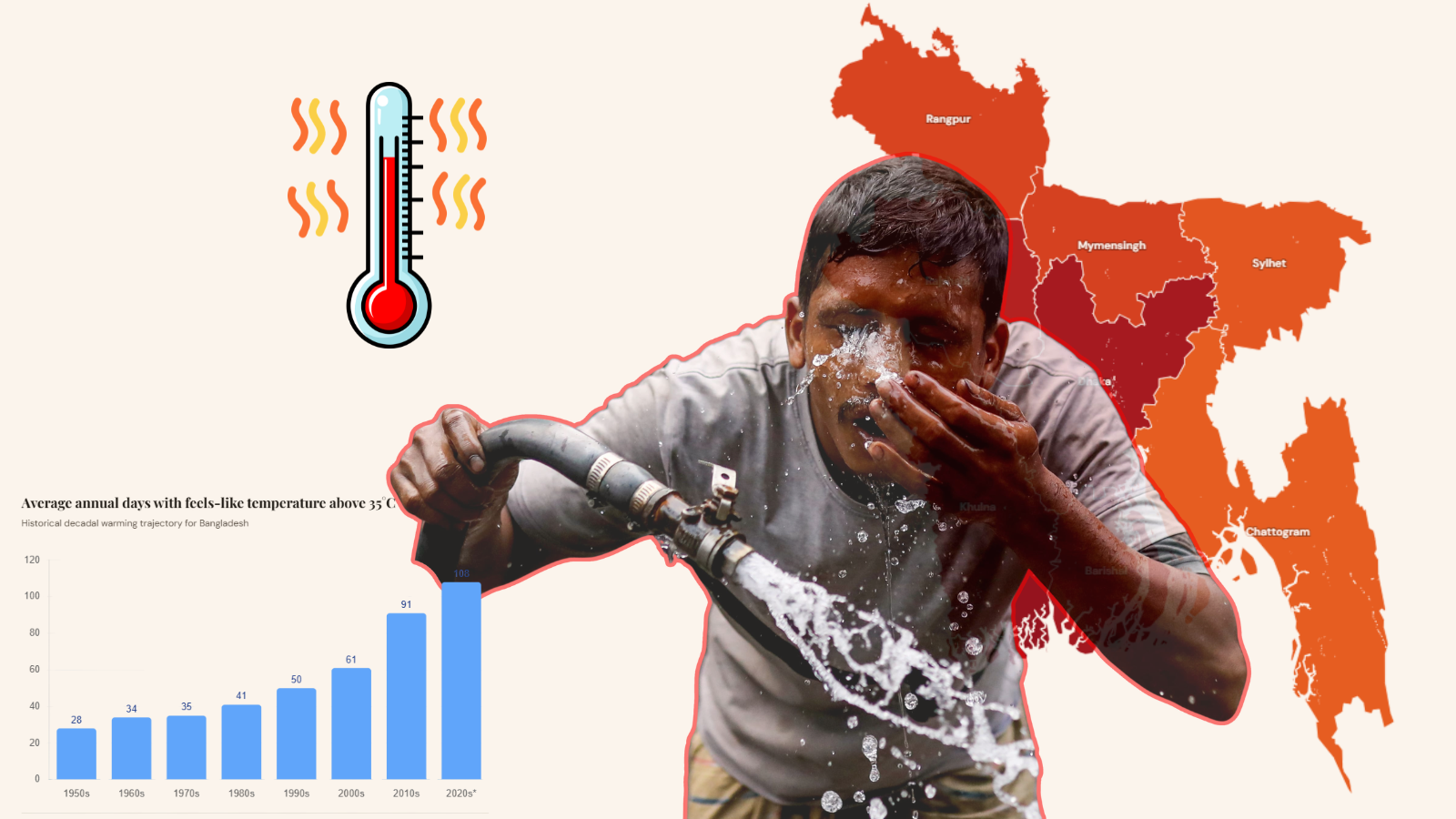
These losses are projected to more than double by 2080, with Dhaka expected to lose 7.4 percent of its productive hours.
The WB said Bangladesh's readymade garment (RMG) sector faces a multi-billion-dollar threat.
The report, citing an analysis by the International Labour Organization (ILO), the International Finance Corporation (IFC), and Cornell University's Global Labor Institute, estimated that the apparel sectors of Bangladesh, Pakistan, Vietnam, and Cambodia could forgo up to $65.8 billion in export earnings by 2030 if heat stress goes unaddressed.
The WB said directed finance can shift this.
"A government-backed Green Transformation Fund, launched in 2016 to help manufacturers invest in energy- and water-efficient equipment and better working environments, grew from a handful of factories into a sector-wide transition," it said.
This was reinforced by IFC engagement through the Partnership for Cleaner Textile and sustainability-linked lending, said the report, adding that Bangladesh had over 270 Leadership in Energy and Environmental Design (LEED)-certified apparel factories by the end of 2025.
The WB report said heat stress in Bangladesh's garment factories has been linked to an increased risk of violence and harassment against women workers unable to meet production quotas.
The new report said extreme heat is costing South Asia nearly the equivalent of 31 million full-time jobs every year and is on track to reduce the region's economy by nearly 7 percent by 2050.
As South Asia prepares to add 280 million working-age people by 2050, rising temperatures are one of the greatest threats to jobs, productivity, and long-term economic growth in the region.
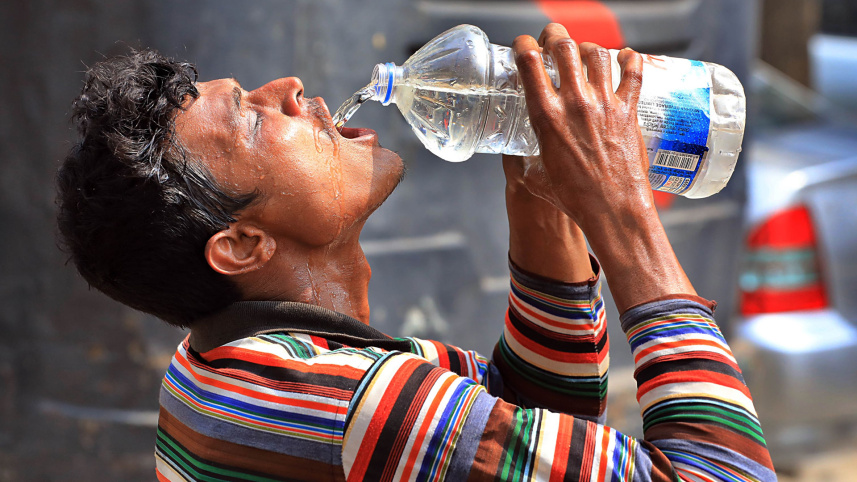
The WB report found that by 2070, around 520 million people across South Asia could experience at least one month of dangerous heat each year, four times as many as today.
Heat contributed to twice as many deaths in Bangladesh and India in 2023 as in 2000 and nearly four times as many in Sri Lanka, according to the Global Burden of Disease study.
"Extreme heat is already reducing labour productivity, disrupting businesses, and jeopardising the competitiveness of South Asia's cities. It is also putting growing pressure on health systems and critical infrastructure, while hitting low-income households, informal workers, women, the elderly, and children the hardest," the report added.
World Bank Vice President for South Asia Johannes Zutt, said building heat-resilient cities is not only about protecting people from rising temperatures.
“It is about safeguarding jobs, boosting productivity, attracting investment, and ensuring that cities continue to drive economic growth. By acting now, countries can build more resilient, competitive, and liveable cities that create opportunities for future generations."
 For all latest news, follow The Daily Star's Google News channel.
Comments