Bengal and the coming of Islam: A story of soil and spirit

For centuries, the story of how Islam came to Bengal has often been reduced to simplistic explanations. Some portray it as the consequence of military conquest and forced conversion, while others attribute it entirely to the peaceful activities of Sufi saints. The historical reality is far more complex. Islamisation in Bengal was not a single event but a gradual process that unfolded over centuries and varied considerably across regions. It was shaped by political change, trade, agriculture, migration, religious networks and cultural adaptation. Understanding this process is essential to understanding the history of Bengal itself.
Before the sultans
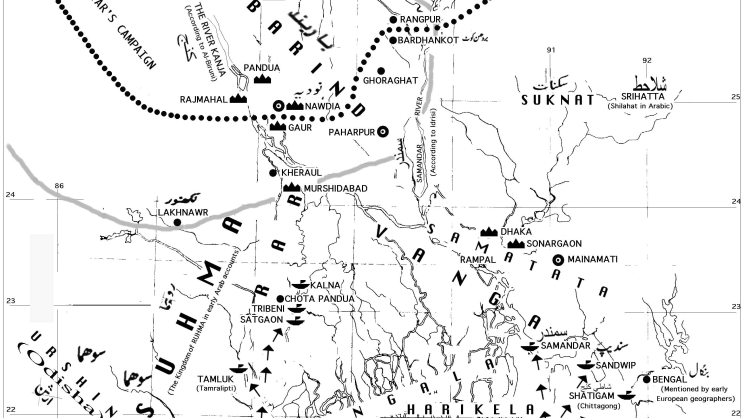
Bengal's encounter with Islam began long before the conquest of Nadia by Bakhtiyar Khalji in 1204. Arab merchants had been trading along the eastern coast of India from at least the eighth century, using the monsoon routes that connected Bengal to the wider Indian Ocean world. Ports such as Chittagong and Sonargaon became centres of commerce where merchants from Arabia, Persia, Southeast Asia and China interacted with local populations. These contacts contributed to the emergence of small Muslim communities in coastal areas, although their influence initially remained limited.
The conquest of Nadia established Muslim political authority in Bengal, yet effective control was initially confined largely to the western parts of the region. Eastern Bengal, with its dense forests, complex riverine networks and extensive marshlands, remained difficult to govern. Military conquest alone could not transform society. What the new rulers provided instead was a political framework within which broader social and economic transformations could take place. They sponsored settlements, patronised religious institutions and opened avenues of advancement for groups willing to participate in the emerging political order.

The Bengal Sultanate and cultural synthesis
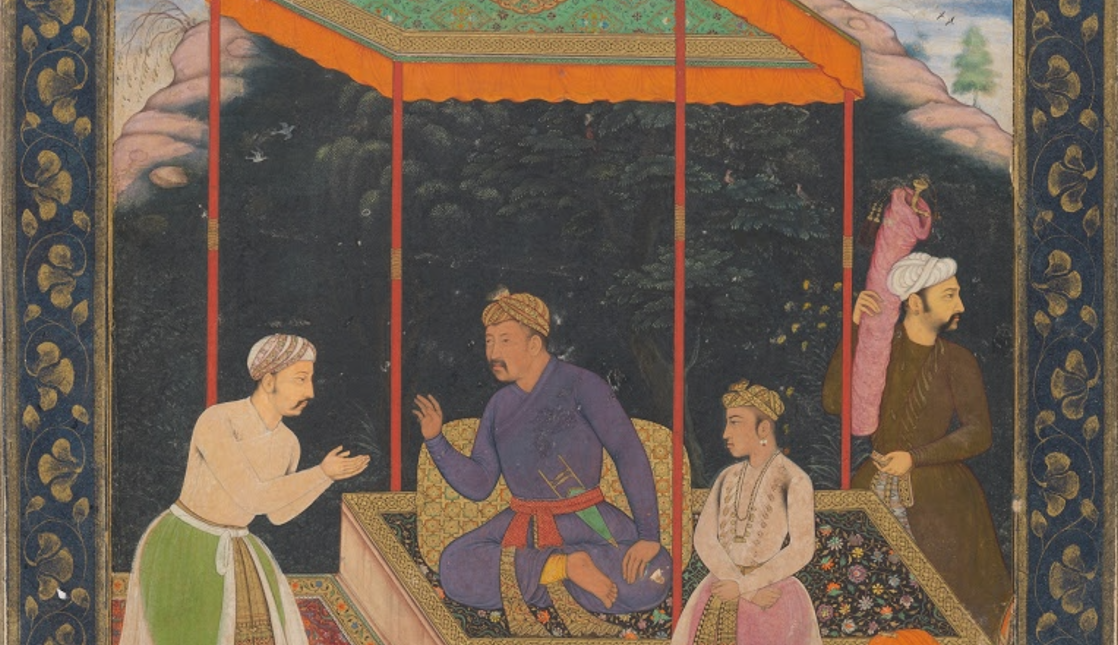
A significant transformation occurred with the emergence of the independent Bengal Sultanate during the fourteenth century. Under the Ilyas Shahi and Husain Shahi dynasties, Bengal became one of the most prosperous and culturally dynamic regions of the subcontinent. The sultans developed a political culture that combined Persian administrative traditions with established Bengali regional practices.
The rulers of Bengal generally recognised that effective governance depended on cooperation among diverse religious communities. They patronised Islamic institutions while also supporting local cultural and literary traditions. Sultan Alauddin Husain Shah (1494–1519) is particularly remembered for encouraging literary activity in Bengali, including translations and adaptations of Sanskrit works. Hindus served in important administrative positions, while the court fostered an environment in which Persian and Bengali cultural influences interacted creatively.

Persian remained the language of administration and elite culture, but Bengali increasingly flourished as a literary medium. This multilingual and culturally diverse environment encouraged exchange and helped shape a distinctive regional identity. Bengal's political and cultural life demonstrated that Islamic rule in the region was not simply an imported political system, but one that gradually adapted to local conditions, practices and traditions.
The frontier of faith
One of the most influential interpretations of Bengal's Islamisation was advanced by historian Richard Eaton, who shifted attention away from military conquest towards agrarian expansion and the transformation of the eastern frontier. Between the thirteenth and seventeenth centuries, large areas of eastern Bengal were gradually opened up for cultivation as forests were cleared and new agricultural settlements established.
This process involved cooperation among rulers, local elites, religious institutions and peasant settlers. Muslim pioneers and Sufi establishments often played important roles in organising communities and developing these agricultural frontiers. Mosques, shrines, religious centres and markets frequently became nuclei around which new villages and settlements developed.
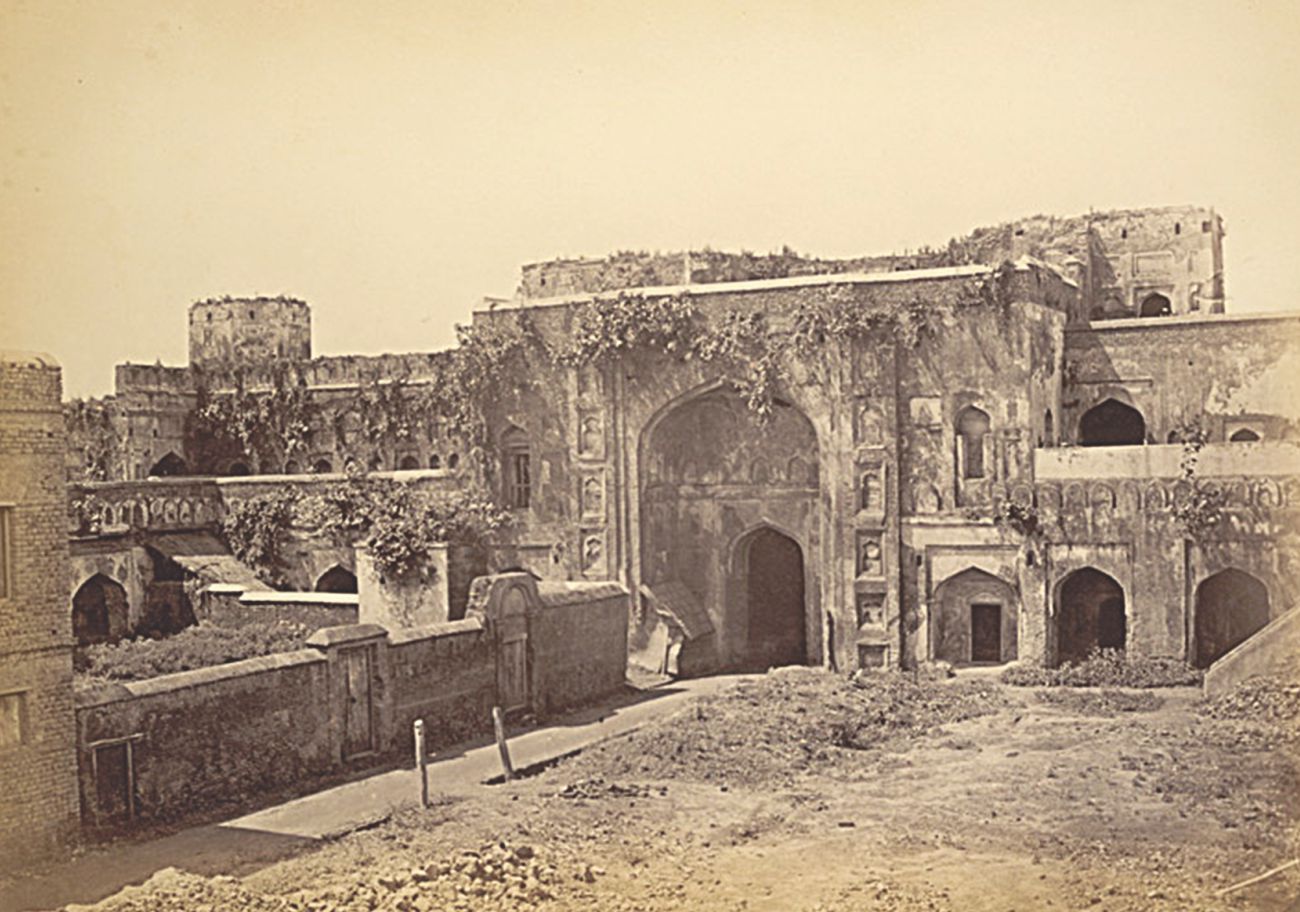
Conversion to Islam accompanied this wider transformation. In many cases, embracing Islam could bring social and economic advantages. It facilitated integration into emerging communities, networks of patronage and systems of landholding. For some groups, Islam may also have offered an alternative to restrictive social hierarchies. Yet conversion should not be understood merely as a matter of material advantage. Religious beliefs and spiritual commitments were genuine forces in their own right, even as they operated within broader social, political and economic contexts.
The transformation of eastern Bengal was therefore as much ecological and economic as it was religious. Forests were converted into rice-growing regions, wetlands were reclaimed and new settlements emerged across a rapidly changing landscape. Religious institutions served practical as well as spiritual purposes, providing leadership, education, dispute resolution and community organisation. In this sense, the spread of Islam was closely connected to the creation of entirely new social worlds.
Saints and society
Sufi saints occupied an important place in this process, with their role extending far beyond spiritual instruction alone. Figures such as Shah Jalal of Sylhet and Khan Jahan Ali of Bagerhat became central to the development of local societies. Their influence rested not only on religious prestige but also on their association with the organisation of settlements, management of resources and mediation of disputes.
According to tradition, Shah Jalal played an important role in the establishment of Muslim authority in Sylhet, but his lasting influence lay in the religious and social institutions that developed around his name and shrine. Khan Jahan Ali was similarly associated with extensive programmes of settlement, land reclamation and development in southwestern Bengal. The infrastructure associated with him—including ponds, roads and the famous Sixty Dome Mosque—reflects the broader social, economic and religious functions that such centres of authority could perform.
The influence of many Sufi figures also stemmed from their ability to operate within local cultural environments. Popular religious practices often absorbed elements of older traditions, while shrines frequently attracted visitors from different religious communities. Such interactions reflected the realities of a society in which boundaries between communities, although significant, could sometimes remain fluid in everyday life.
This shared devotional culture should neither be exaggerated nor dismissed. It emerged through everyday coexistence, local traditions and practical cooperation among communities. The pirs and saints of Bengal operated within a social environment in which religious identities were meaningful but were not always rigidly separated in popular practice.
Literature and the spread of ideas
The literary culture of medieval Bengal provides some of the clearest evidence of the interaction between Islam and regional traditions. Muslim authors increasingly chose Bengali, rather than Persian, to communicate religious ideas to wider audiences. Their works rendered Islamic narratives and concepts in literary forms and a language familiar to local communities.
Texts such as Saiyad Sultan's Nabivamsa and Shah Muhammad Sagir's Yusuf-Zulekha represented creative acts of cultural adaptation. These writers faced the challenge of expressing Islamic themes through a language and literary culture already shaped by Hindu and Buddhist traditions. Their achievement lay in making Islamic narratives accessible to Bengali-speaking audiences while simultaneously enriching the region's literary culture.
Abdul Hakim went further by defending Bengali as a legitimate language of learning and literary expression. His writings asserted the value of the Bengali language at a time when Persian retained considerable prestige among sections of the Muslim elite. Such literary interventions contributed to the development of a Bengali Muslim cultural identity rooted simultaneously in Islamic traditions and the Bengali language.
The emergence of Dobhashi literature, characterised by Bengali linguistic structures combined with substantial Persian and Arabic vocabulary, further illustrates this process. Used widely in religious instruction and popular literature, Dobhashi texts helped bring Islamic narratives and ideas to audiences beyond the Persian-speaking elite. They contributed to the localisation of Islamic knowledge and its incorporation into the wider cultural life of Bengal.

As scholars have emphasised, these literary developments involved much more than simple translation. They were acts of cultural negotiation in which Islamic narratives and concepts were rendered meaningful within Bengali linguistic, literary and intellectual frameworks. The result was a distinctive literary tradition that connected Bengal to the wider Muslim world while retaining a strongly regional character.
The Mughal transformation
The Mughal conquest of Bengal in 1576 brought much of the region under the authority of one of the largest empires of the early modern world, although Mughal control continued to expand and consolidate in the decades that followed. Under Mughal rule, Bengal became one of the empire's richest provinces, benefiting from expanding agriculture, urban growth and flourishing maritime commerce.
Mughal rule contributed to the expansion of settlement and cultivation, particularly in eastern Bengal. Through land grants, revenue arrangements and local networks of authority, imperial officials, zamindars, religious grantees and local elites participated in extending agriculture into previously uncultivated areas. Mosques, shrines and other religious establishments often developed alongside these new settlements, reinforcing the broader relationship between agrarian expansion, social transformation and the spread of Islam.
At the same time, Mughal governance in Bengal generally depended more on accommodation and collaboration than on religious coercion. The empire governed a religiously diverse population and relied on cooperation among different communities and local elites. Hindu officials and landholders occupied important positions within administrative and revenue structures, while religious institutions of different communities continued to function within the wider political order.
Bengal's Muslim religious life also became increasingly diverse during this period. Although Sunni Islam predominated, Shia influences became more visible through migrants, merchants, administrators and other groups arriving from Iran and elsewhere in the Muslim world. Muharram commemorations and narratives of Karbala became important elements of Bengali Muslim religious culture and, in some places, attracted participation across communal boundaries. Such developments once again demonstrate how wider Islamic traditions were incorporated into Bengali society and adapted to particular local contexts.
A shared social world
Relations between Muslims and Hindus in Bengal cannot be reduced to a simple story of either harmony or conflict. They varied considerably across time, place and social setting, encompassing cooperation and exchange as well as competition and confrontation. Political and religious conflicts certainly occurred, but they existed alongside extensive economic interaction, social relationships and cultural overlap.
In towns and villages alike, Hindus and Muslims shared economic and social spaces, including markets, water sources and agricultural landscapes. In some places, communities participated in one another's local festivals, visited shrines associated with different religious traditions and engaged in numerous forms of everyday cooperation. Religious differences remained significant, but they operated within a broader and often complex social world in which coexistence, interaction and contestation could occur simultaneously.

Cultural exchange extended into many aspects of everyday life. Bengali Muslims retained and adapted practices that predated the arrival of Islam, while Bengali Hindus also absorbed elements associated with Islamic culture in language, dress and cuisine. The boundaries between communities could therefore be more permeable than later communal narratives have sometimes suggested.
Architecture provides a striking example of this cultural synthesis. Major mosques such as the Adina Mosque and the Sixty Dome Mosque incorporated local building materials, regional construction techniques, curved cornices and terracotta ornamentation rooted in Bengal's architectural traditions. Islamic architecture in Bengal consequently developed a distinctive regional style, adapting wider Islamic architectural forms to local conditions rather than simply reproducing models from elsewhere. These structures testify to the creative integration of Islamic forms with Bengali craftsmanship, materials and aesthetics.
A living legacy
By the end of the medieval period, Bengal had become one of the most important centres of Islamic culture in South Asia. Islam took root through a sustained interaction with the region's existing cultures, societies and landscapes. The traditions that emerged were both Islamic and Bengali, simultaneously connected to wider currents across the Muslim world and firmly rooted in local realities.
The history of Islam in Bengal therefore challenges simplistic explanations. Neither military conquest nor spiritual influence alone can account for the region's transformation. Islam spread through a complex interaction of state formation, agricultural expansion, trade, migration, Sufi networks, literary creativity and social adaptation. The society that emerged was the product of centuries of negotiation between wider religious and cultural currents and the particular conditions of the Bengal delta.
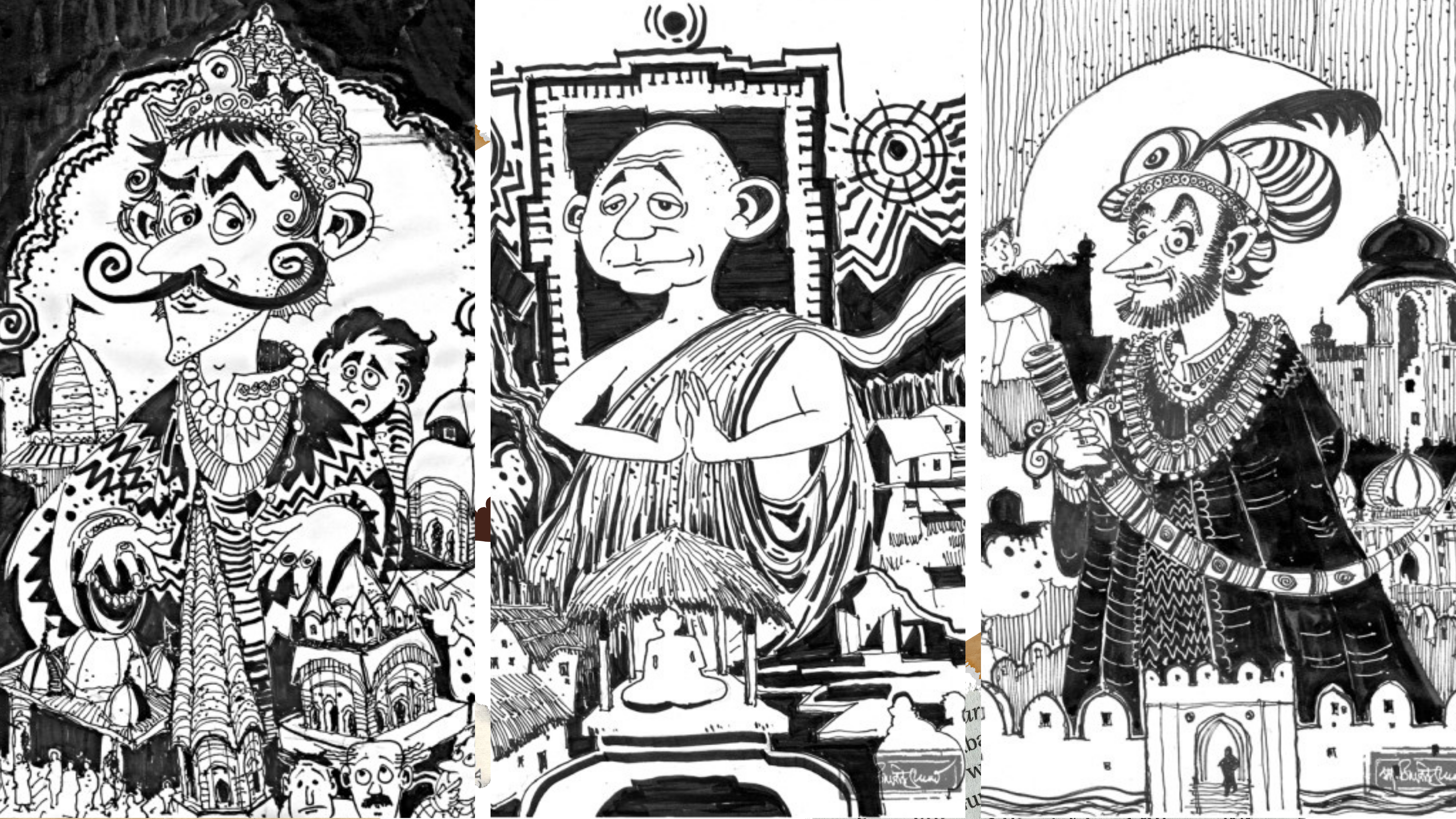
This history remains relevant today. The distinctive character of Bengali Islam—expressed through its literature, architecture, devotional practices and social institutions—developed through centuries of interaction and adaptation. Recognising this complexity allows us to move beyond narrow interpretations of identity and heritage and towards a fuller understanding of how Bengal's religious and cultural traditions evolved.
In an age marked by polarisation and simplified historical narratives, Bengal's experience offers a different lesson. It shows how cultures and communities can interact creatively while retaining important elements of their distinctiveness. It also demonstrates that identities are not formed in isolation but are continually shaped by dialogue, exchange, adaptation and historical experience.
Bengal's Islamic heritage, therefore, cannot be understood simply as a foreign addition to the region's history. It developed within the Bengal delta itself through centuries of interaction among faith, society, language, political authority and landscape. Understanding this legacy is not merely an academic exercise; it offers a way of understanding the historical foundations of modern Bengal and appreciating the diverse traditions that continue to shape its people today.
Syed Ali Nadeem Rezavi is a historian, author and professor at Aligarh Muslim University.
Send your articles for Slow Reads to slowreads@thedailystar.net. Check out our submission guidelines for details.

Xuanzang’s travels to Bengal and beyond : The man, the pilgrim and the Monkey King

Professor Anisur Rahman: The economist who put people at the centre

APO 433: Dhaka’s forgotten post office of World War II
Dadabhai Naoroji: The man who exposed the economics of British colonialism

Untold stories of 1971 through private letters

The extraordinary journey of Atish Dipankar Srigyan

Forgotten story of Jeanette Van Tassel, the American woman who flew over Dhaka in 1892
Beyond 1947 / A personal essay
Abul Mansur Ahmad / A global quest in search of a nation