


Teaching students how to think in an age of endless information
[Special content]
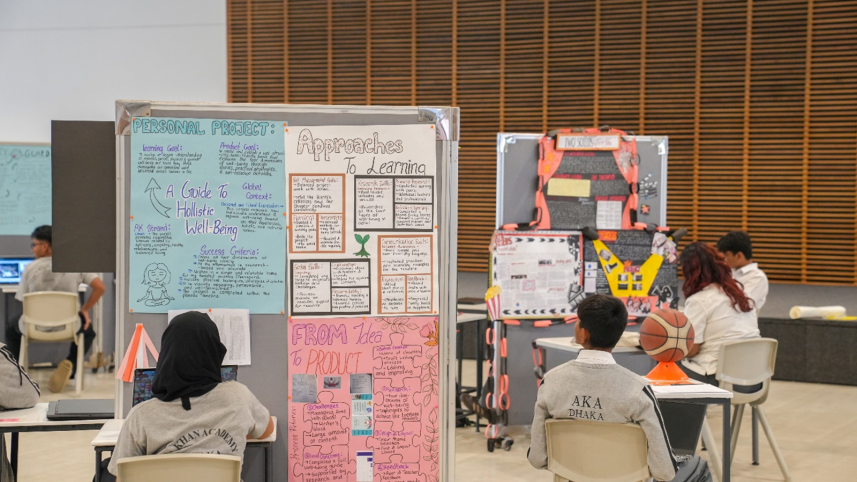
A student pauses over a graph on a laptop screen and asks, “Where did this information come from?” In another classroom, a group of students debate whether change always leads to progress. The teacher does not rush to provide the answer. Instead, the question is held in the room and taken seriously. This scene captures something important about the International Baccalaureate (IB) Middle Years Programme (MYP); learning does not begin with certainty, but with disciplined curiosity.

Designed for students aged 11 to 16, the MYP offers a different experience from the one many parents remember from their own school years. The programme is not built around memorising large amounts of information and repeating it in tests. Its aim is to help young people understand ideas, test claims, make connections and apply what they know in meaningful situations. In a world saturated with information, this shift matters.
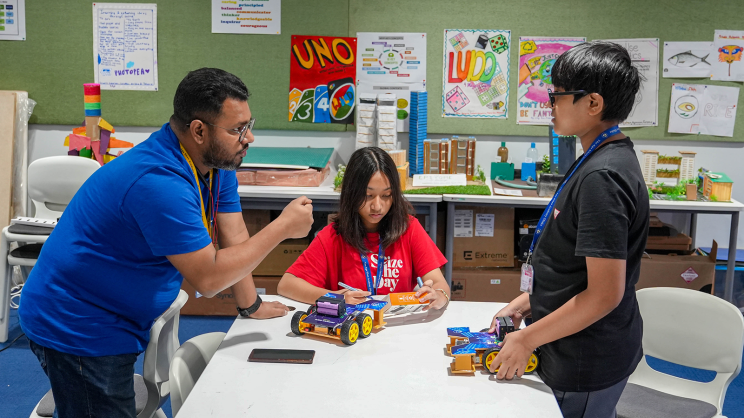
A fundamental element of the MYP is inquiry. Inquiry is sometimes misunderstood as simply asking questions in class or sending students away to do research. In fact, it is a structured process of learning in which questions drive thinking, evidence is examined carefully, and assumptions are tested and understanding is built over time.
Students are not rewarded for producing quick answers; they are taught to investigate, interpret and refine their thinking. That is what makes learning both personal and meaningful. Students begin to see that their questions matter and they come to understand that knowledge is something they can actively construct rather than passively receive.
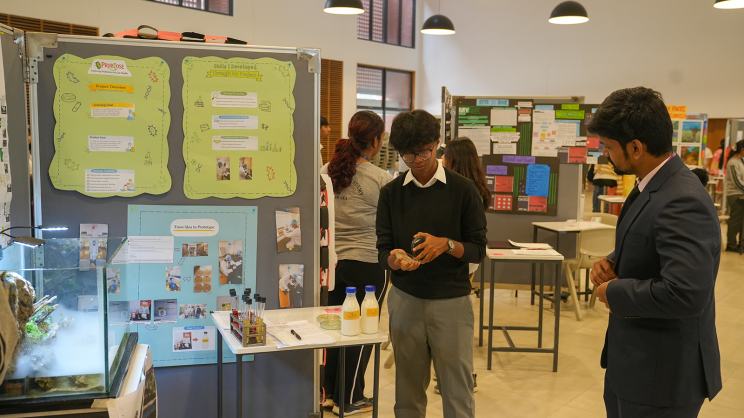
Inquiry, however, does not stand alone. Students also need structure, so that learning remains coherent and intellectually rigorous. This is where concept-based learning becomes essential. In the MYP, teaching is organised not only around content, but also around powerful concepts such as systems, change, relationships, identity and perspective. Facts still matter, but they are used as a means to develop students' thinking skills and to build their ability to analyse, synthesise and evaluate, rather than as the final destination. Concepts can help students see patterns, ask better questions and transfer understanding from familiar to unfamiliar situations.
This transfer is one of the clearest signs of real learning. A student who has explored the concept of systems in science may later use the same conceptual lens to analyse the economy in integrated humanities or to interpret how parts of a text work together in English language and literature. This is far more powerful than recalling isolated facts because it prepares students to recognise meaning across contexts instead of treating each subject as a separate box.

The MYP also places deliberate emphasis on approaches to learning, or ATL, skills. These include research, communication, collaboration, critical thinking and self-management. They are not an optional extra. They are the habits that allow students to manage complexity, organise their learning, evaluate information and work productively with others.
For students, these capacities are especially important. The middle years of schooling is another phase of schooling and life when they are developing their identities, independence and responsibility. Learning how to plan, reflect, communicate clearly and respond to feedback is therefore not just academically useful; it is part of becoming capable and self-aware.
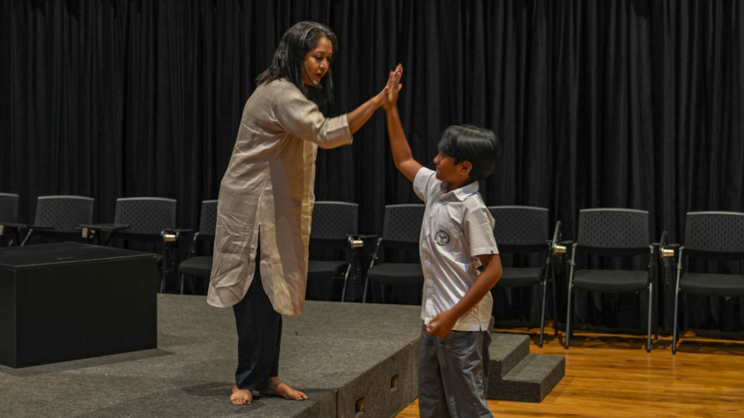
Teachers play a crucial role in helping students develop these skills. Independence is not created by withdrawing support. It is developed through careful scaffolding; structured guidance, clear expectations, checkpoints, feedback and opportunities for reflection. Over time, students learn to take greater ownership of their learning, but they do so with support that is thoughtful rather than controlling. The goal is not to leave young people alone with difficult tasks. It is to help them become increasingly confident in managing challenges for themselves.
Ultimately, the value of the MYP lies in the kind of learner it tries to shape. It is not only preparing students to complete assignments or succeed in examinations. It is helping them become thoughtful, articulate and purposeful young people who can navigate complexity with confidence and integrity.
In an age of limitless information and increasing misinformation, education must do more than transmit content. It must equip students to question critically, interpret wisely and act with discernment. That may be one of the most valuable educational gifts any school can offer.
Dr Fernando Ramirez is the IB MYP Coordinator at the Aga Khan Academy Dhaka.
 For all latest news, follow The Daily Star's Google News channel.
Comments