


How the UIU Mars Rover Team is building a robotics ecosystem
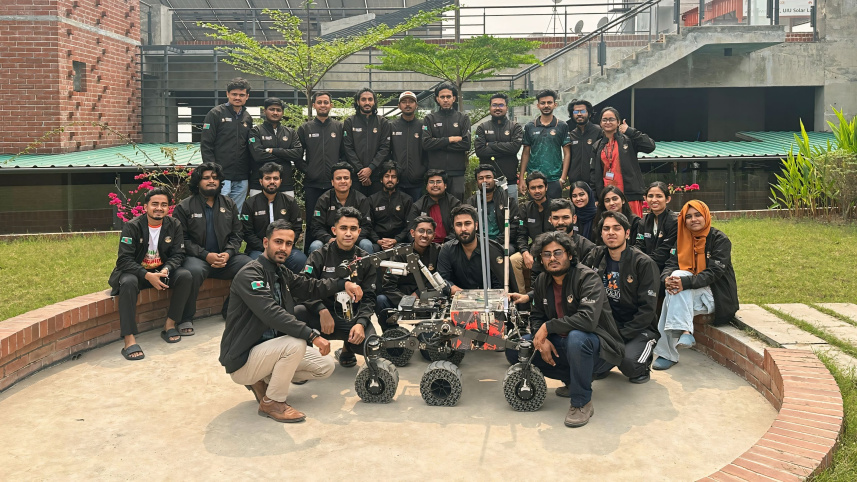
What started in 2022 as a small university rover initiative at United International University (UIU) has quickly grown into one of Bangladesh’s most active student-led robotics platforms.
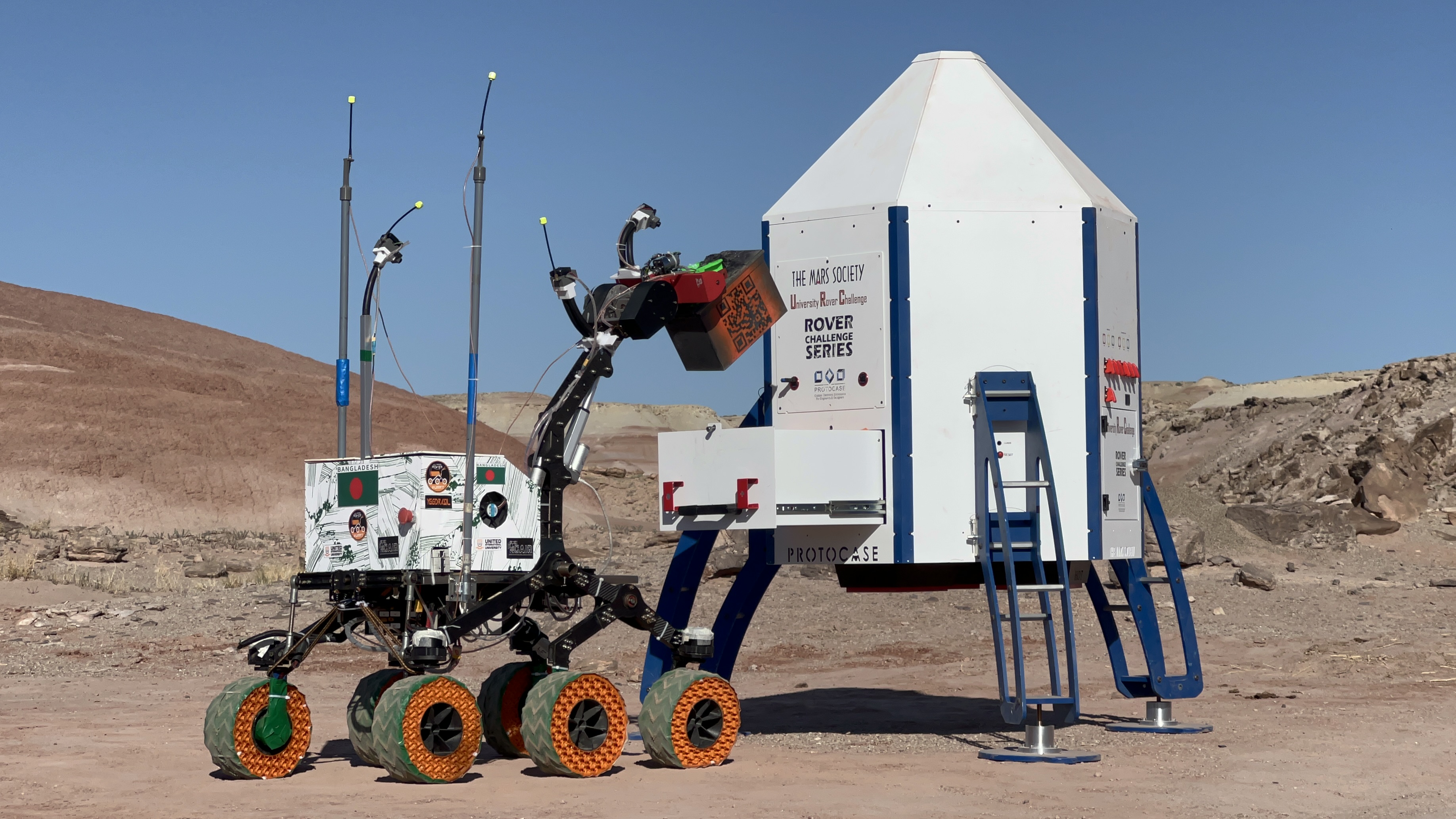
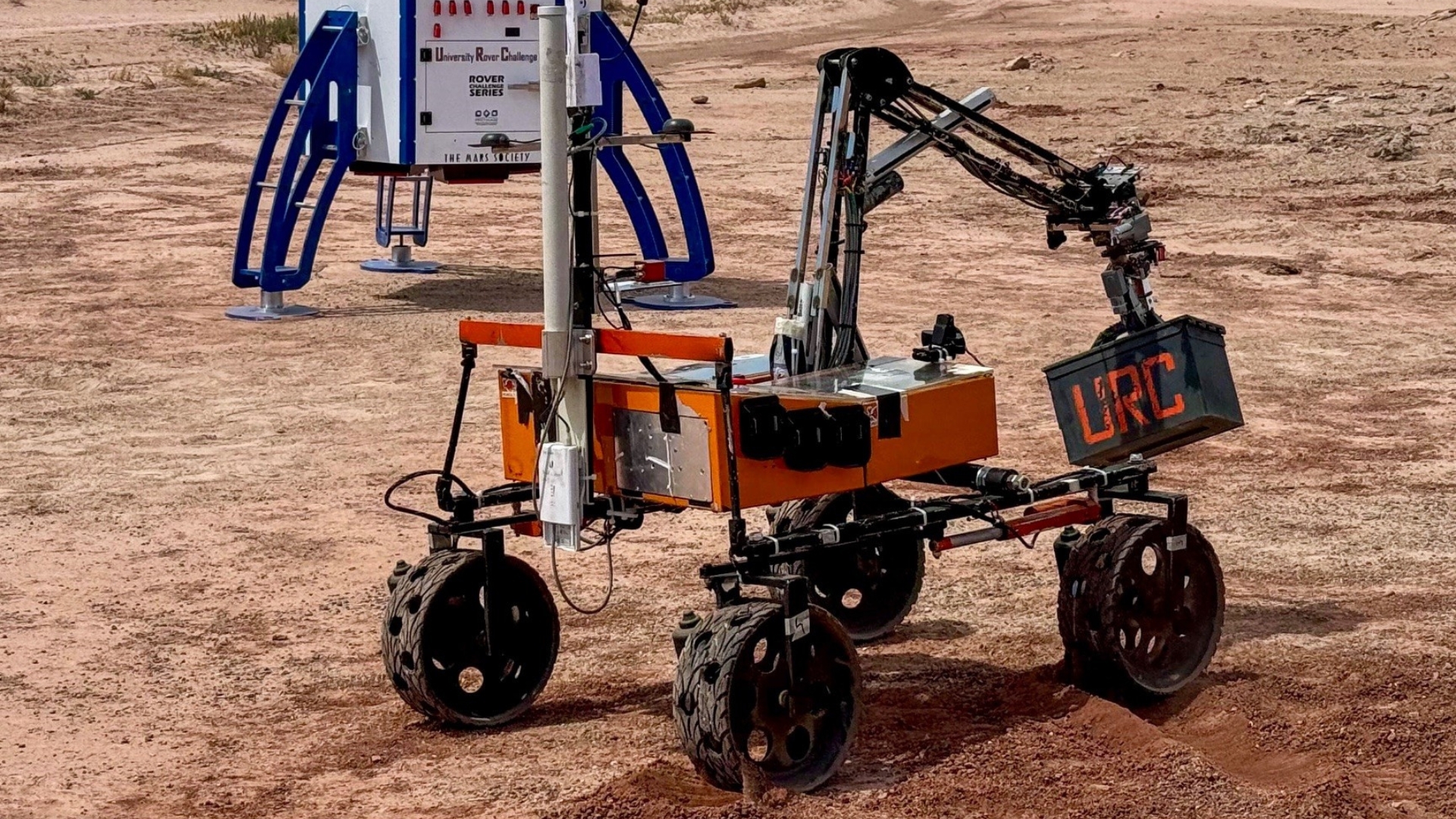
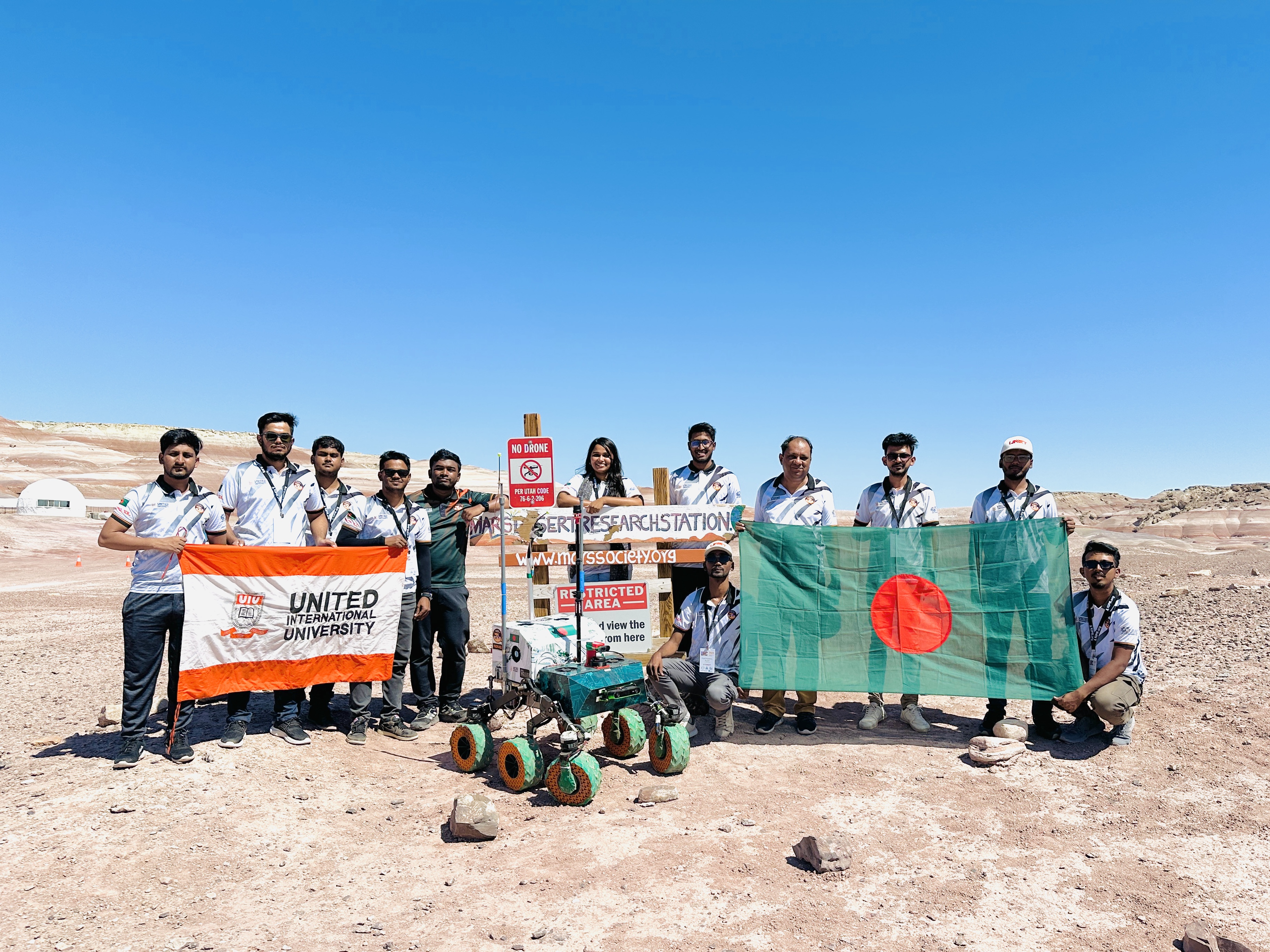
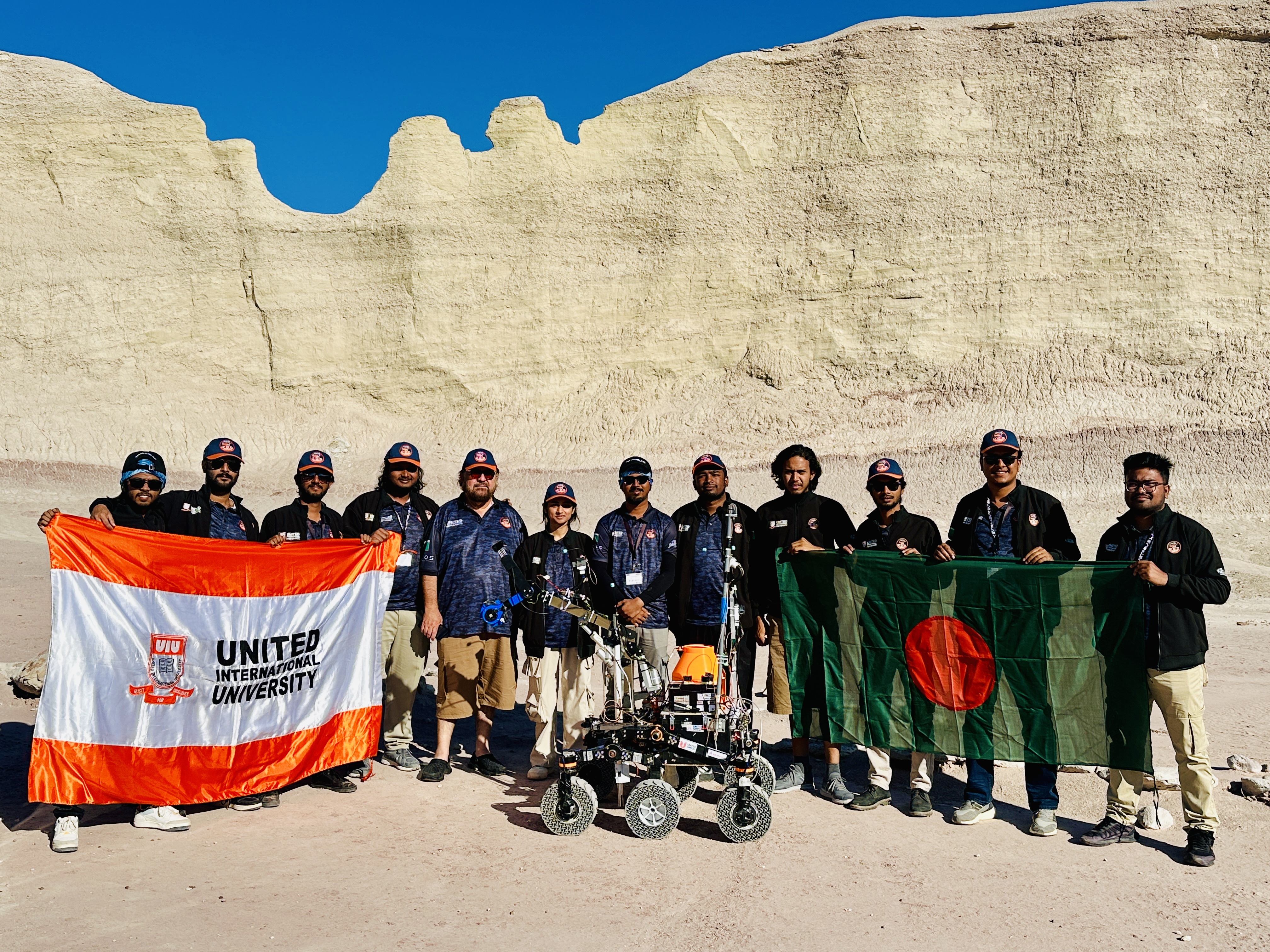
Since its rookie year in 2022, the UIU Mars Rover Team has consistently remained the highest-ranked Mars rover team in Asia across international competitions such as the University Rover Challenge (URC) and Anatolian Rover Challenge (ARC). The team secured fifth place globally at the URC 2024, followed by sixth place at the URC 2025, along with the “Best Science Team Award”. At the ARC 2025, the team achieved third place globally while also receiving the “Best Science System Award” and the “Best Autonomous Drive and Control System Award”, reflecting the team’s belief that growth in robotics is not just about sustaining momentum; it’s about continuously pushing boundaries through innovation, collaboration, and hands-on engineering.

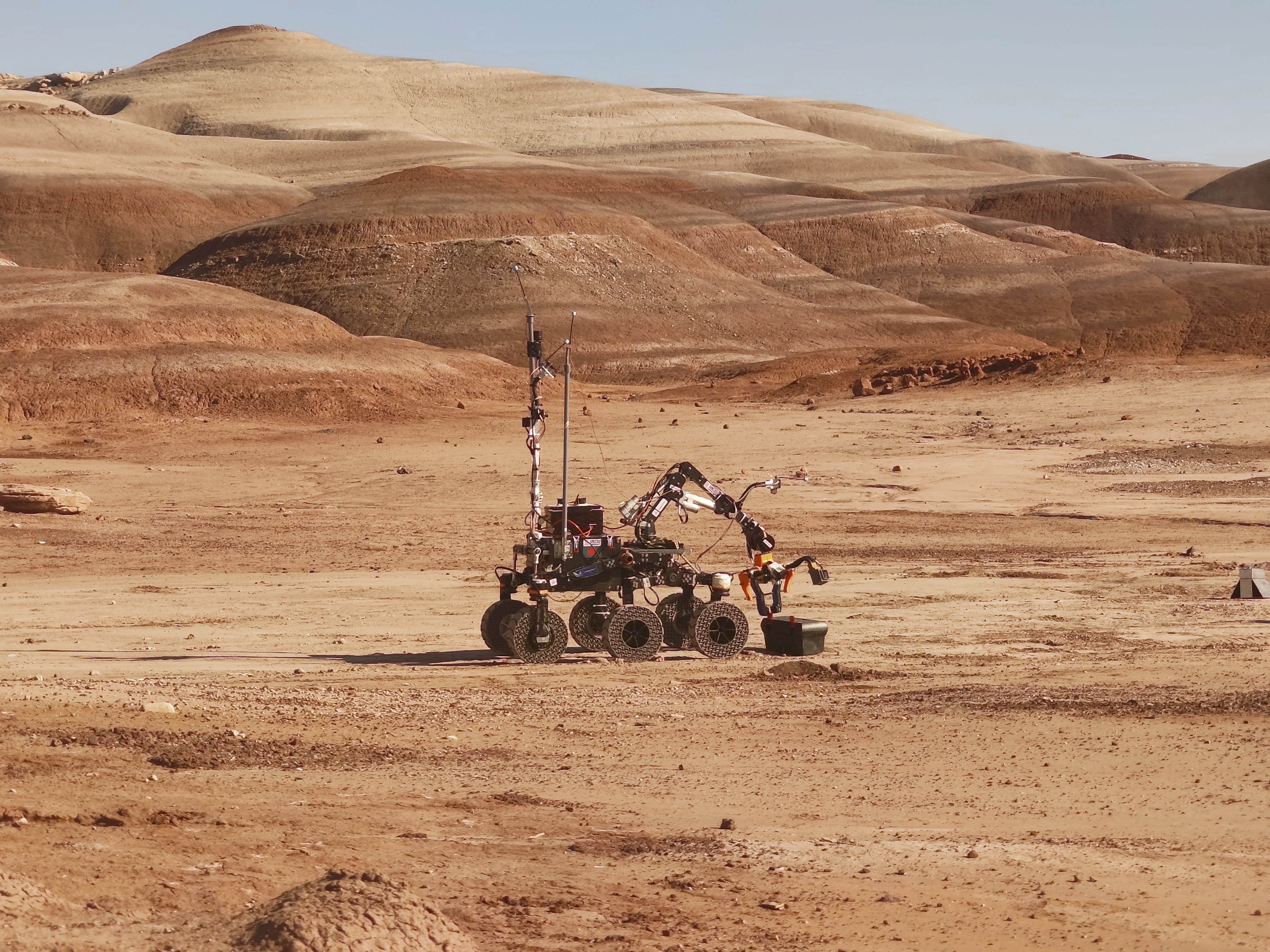
Now, the UIU Mars Rover Team is preparing for the URC 2026 finals, scheduled to take place from May 27 to 31, where the team will once again represent Bangladesh on an international stage.
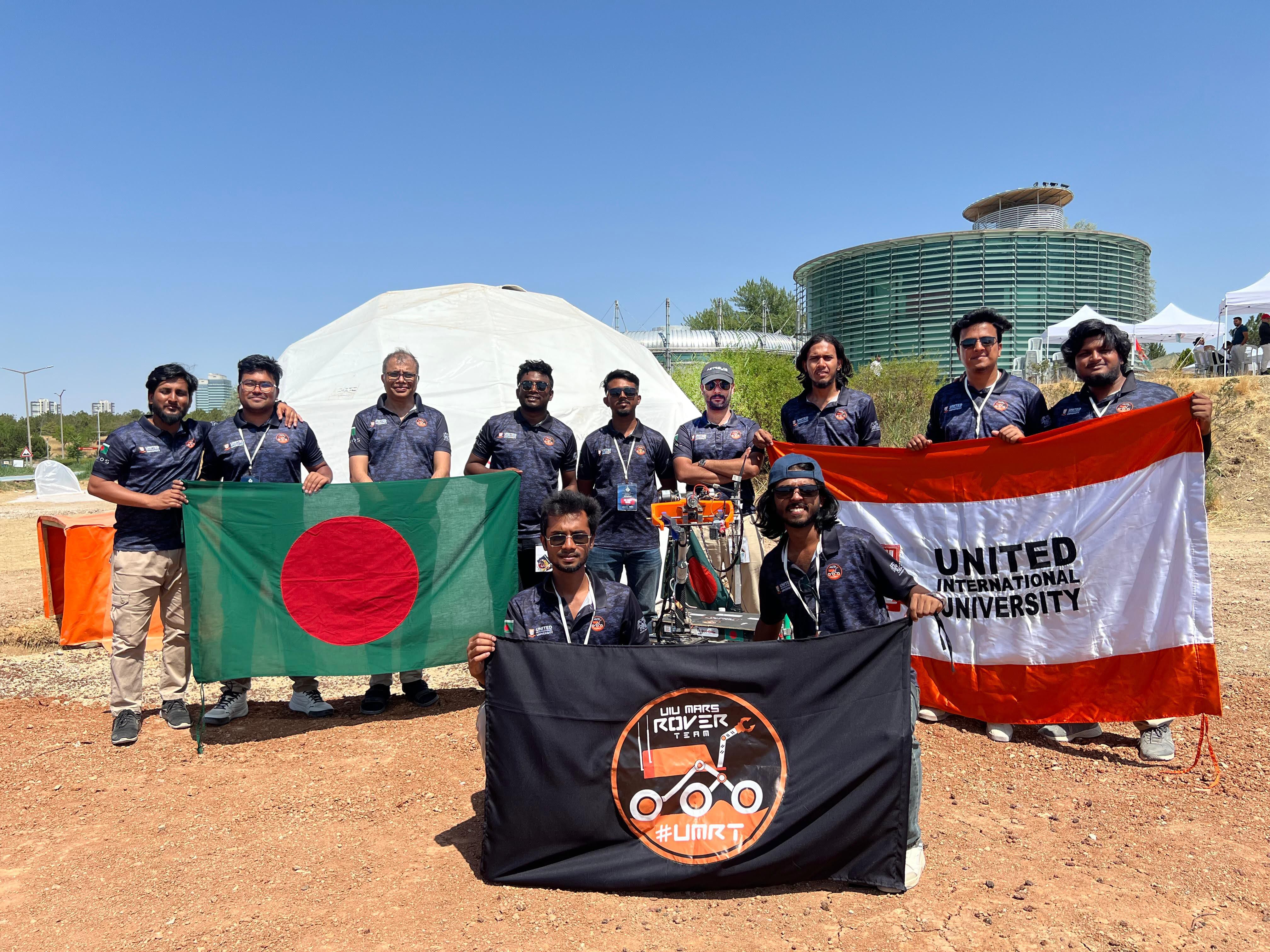
But for the UIU Mars Rover Team, rover competitions have gradually become more than just rankings and awards. Over the last few years, the team has expanded its focus toward building a stronger robotics culture through mentorship, technical collaboration, and hands-on engineering education.
One of its major initiatives is ARIES, a robotics bootcamp launched in collaboration with the Center for Development of IT Professionals (CDIP), UIU. Designed as a practical learning programme, ARIES introduces students to robotics fundamentals, autonomous systems, 3D design, simulations, and real engineering workflows commonly used in advanced robotics projects and international competitions.
Alongside in-person training, the team also runs an online STEM awareness initiative called “2 Minute Robotics”, aimed at introducing younger students to robotics and encouraging curiosity around science and engineering through short educational content.
The team has also started contributing beyond the university ecosystem. It is currently providing technical support and consultancy to the Bangladesh Military Museum, while several members have begun working on robotics-focused startups inspired by their experiences in autonomous systems and rover development.
Mentorship has become another growing part of the team’s activities. The UIU Mars Rover Team is currently supporting “Project Poseidon’s Code”, a young college student team working on Unmanned Underwater Vehicles (UUVs) for the international RoboSub competition. The mentorship includes technical guidance, engineering support, and access to resources for underwater robotics development.
The team also maintains technical collaborations with companies such as SOLIDWORKS, RFDesign, and DFRobot, helping students gain exposure to tools and technologies widely used in modern robotics engineering.
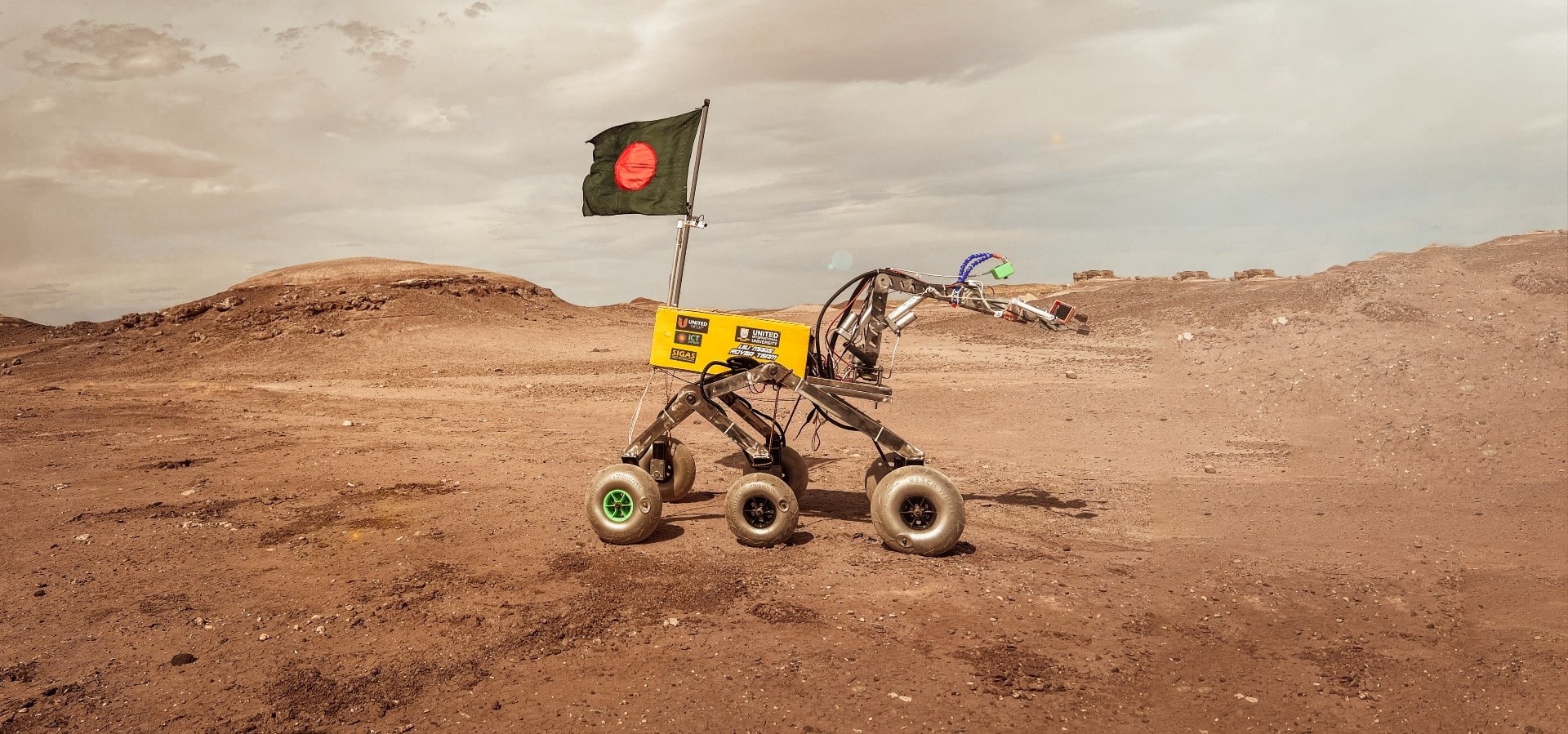
In a field where many student projects remain limited to competitions, the UIU Mars Rover Team has been steadily evolving into something broader – a community focused on learning, collaboration, and long-term innovation.
 For all latest news, follow The Daily Star's Google News channel.
Comments