The making of a doctor
To obtain full registration from the Bangladesh Medical and Dental Council, Bachelor of Medicine and Bachelor of Surgery (MBBS) graduates in Bangladesh must complete a mandatory one-year rotatory internship. The 52-week-long internship programme consists of 19 weeks each in medicine and surgery, 12 weeks in obstetrics-gynaecology, and a mandatory two-week community placement at a thana or upazila health complex.
In practice, it is a year filled with long shifts, sleepless nights, steep learning curves, emotional highs and lows, and difficult conversations.

Dr Myesha Ahmed, an intern doctor at Sirajganj Medical College Hospital, describes the usual work schedule: “We have morning duty six days a week, typically from 8 AM to 2 PM. Some days we also have evening duty, which is six hours—from 2 PM to 8 PM—or night duty, which is 12 hours—from 8 PM to 8 AM the next day. The frequency varies depending on how busy a department is and how many interns are placed there. On some weeks we have Friday shifts, and on some we don’t.”
The very first thing Dr Ahmed has to do is take handover from the doctor of the previous shift.
“If there are critical patients, handover can take as long as half an hour. After that, I go and check on the critical patients again, observing their vitals and treatment. At the same time, if new patients arrive, we have to receive them as well,” Dr Ahmed shares. “Alongside all this, if there are any procedures left to do, such as inserting a nasogastric tube or a catheter, performing a pleural or ascitic fluid tap, or assisting with short surgical cases, those fall on me.”
Dr Md Aminul Islam, an intern doctor at Monno Medical College Hospital, breaks down how the whole day unfolds: “After the ward rounds, I monitor the condition of admitted patients, take histories of new arrivals, perform physical exams, write daily progress notes, and present patient conditions to senior doctors. I am also responsible for executing treatment plans, preparing patients for various tests, helping collect and analyse reports, and properly documenting all medical records.”
During their shifts, interns have little time to eat, sit, or even pray due to the heavy workload.
“If it’s a busy shift, I don’t get to sit at all. I barely manage to pray. As for eating, that’s not even an option. We’re constantly running around. Patients just keep coming, one after another,” Dr Ahmed says.
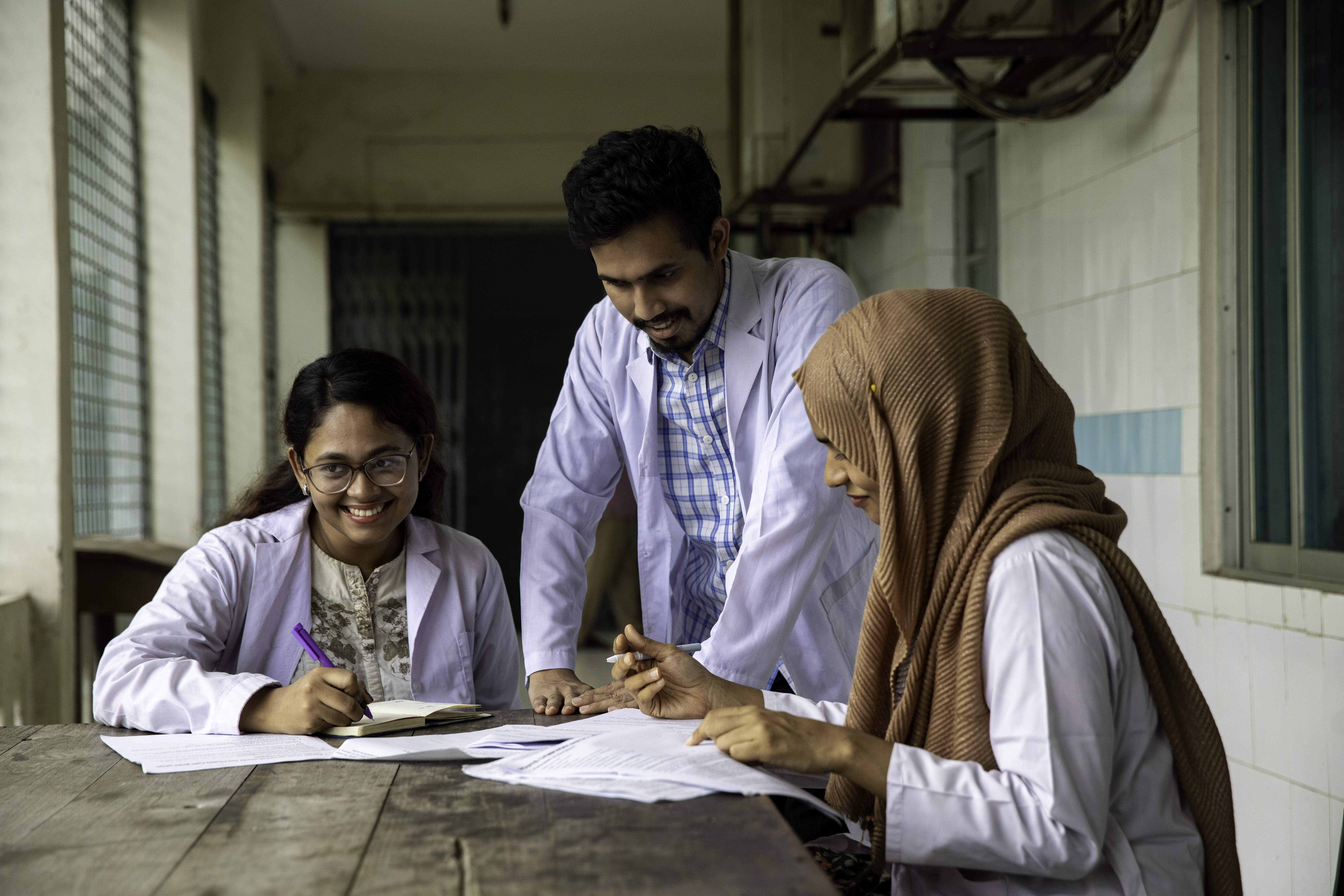
The daily responsibilities that keep these interns busy vary from department to department. Dr Islam elaborates on the different day-to-day tasks he performed during his rotations: “In the emergency department, I had to rapidly assess patients’ conditions and begin initial treatment. I participated in managing trauma cases, severe respiratory distress, heart attacks, strokes, seizures, hypoglycaemic emergencies, and other critical conditions. Often, we had to make crucial decisions within minutes to save a patient’s life while working under the guidance of senior physicians.”
“In the surgery department, I had to prepare patients for the operating theatre, assist during operations, monitor patients after surgery, and dress wounds,” Dr Islam adds. “In medicine, I participated in the management of patients with chronic illnesses, infections, diabetes, hypertension, and kidney and liver diseases. During my gynaecology and obstetrics rotation, I helped with normal deliveries, caesarean sections, and pregnancy complications. In paediatrics, I helped care for newborns and took part in vaccination programmes.”
For Dr Ahmed, the tiny, precious patients of the paediatrics department are the bright spots amidst the heavy workload. “There was a neonate (newborn baby who is four weeks old or younger) whom I had to suction quite a few times and observe throughout the night. That little baby boy recovered, and I still remember his tiny fingers gripping my hand. There was another child named Taha in the paediatrics department. She was so fussy at the beginning, but later on, she used to smile whenever she saw me.”
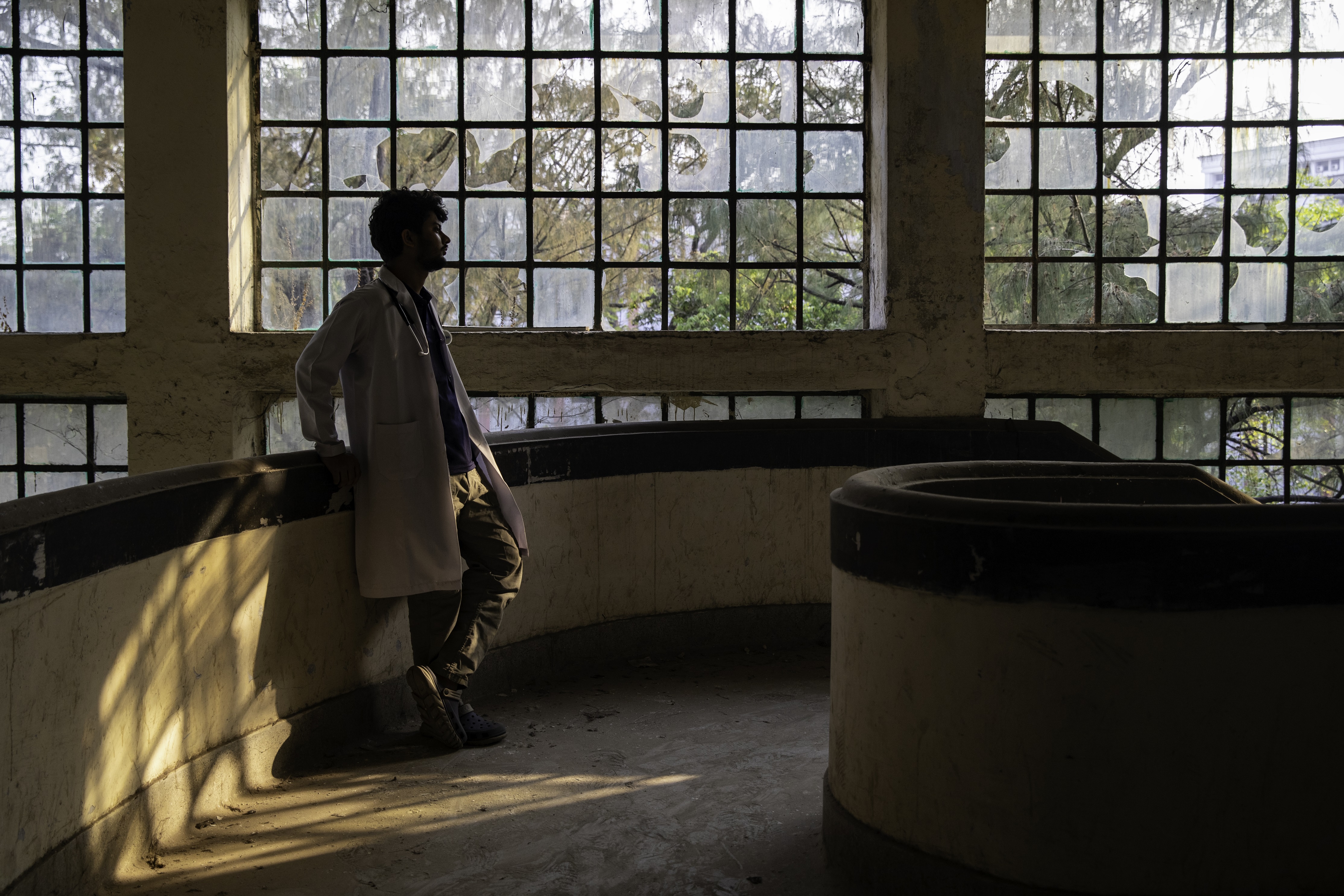
While every departmental rotation comes with its own challenges, interns find some more demanding than others.
Dr Md Hasibuzzaman Hasib, another intern doctor from Monno Medical College Hospital, notes, “Although the workload was lighter in surgery, I found it more difficult because of the constant mental pressure. Gynaecology night shifts, however, are by far the toughest. It’s not unusual to have two or three emergency operations throughout the night while simultaneously admitting new patients. Then, instead of going home to rest, we continue working until 2 PM the next day. By the end of it, you’re completely drained both physically and mentally, but you still have to keep going.”
This is well reflected in the experience of Dr Fariba Binte Masud, an intern doctor at Sher-e-Bangla Medical College Hospital. Night shifts in the gynae ward, especially admission duty, are the most stressful for her.
“Patients who come in for admission late at night are almost always in serious condition,” says Dr Masud. “Someone may need emergency surgery, immediate blood transfusion, or urgent tests to assess their internal condition. Managing all of this is extremely difficult. Because at that time of night, a lot of things aren’t open anymore. Even the hospital does not have everything readily available. Many times, even after giving our absolute best, we still cannot save the patient.”
To cope with the sheer exhaustion and emotional toll, Dr Masud firmly keeps her eyes on the finish line: “I remind myself that I don’t intend on building a career in this department anyway. It is just a temporary phase, and it will be over before I know it. That thought alone keeps me going.”
On the other hand, Dr Ahmed found the medicine rotation to be the most physically demanding of all.
 For all latest news, follow The Daily Star's Google News channel.
 “I became ill after my medicine placement. The workload was so intense that my body simply couldn’t take it. I was working continuously without eating or sleeping properly. The 24-hour shifts became a regular part of my routine. This may sound crazy, but at one point, I was on duty for almost 36 hours and once even for 50 hours. The 50-hour stretch happened because we were doing consecutive double shifts,” Dr Ahmed remarks.
Dr Masud feels that the biggest part of the internship is spent dealing with patient-related hassles.
“It’s not just deciding on a treatment plan and carrying it out. You also have to explain everything to the patient’s family and make sure they understand what’s happening. Even after explaining things thoroughly, they may still fail to understand and end up doing something wrong,” Dr Masud explains. “In most cases, the patient’s attendants are uncooperative. They assume that once they bring someone to the hospital, everything becomes the doctor’s responsibility.”
Due to the shortage of resources, Dr Masud often takes on responsibilities beyond her role. When the hospital’s supplies aren’t enough, she counsels patients’ families to buy what they need, shows them to the hospital’s poor fund when they cannot afford it, and even helps them financially herself.
“If a required procedure isn’t available here, we refer them to specialised institutions in Dhaka. But those hospitals are far away, and I often wonder whether our sickest patients are actually able to make it there,” Dr Masud states.
Dr Ahmed points out another challenge that interns face: inadequate workplace safety.
“Even though there are guards in the hospital, it doesn’t always make us feel safe,” says Dr Ahmed. “If our safety could be properly ensured, we’d be able to work with greater peace of mind. Some of my colleagues have been physically assaulted and harassed by patients’ attendants.”
Faced with circumstances outside their control, interns sometimes feel an acute sense of helplessness.
“One night, a patient cried out, ‘Save me, save me’. She had severe valvular heart disease but couldn’t afford the surgery she desperately needed. After giving her the available treatment, I went back to my room and cried on my prayer mat, asking Allah to help her. I will never forget her face or her cries,” Dr Ahmed recalls. “Another time, I felt like quitting when I had to tell a patient with urosepsis that we didn’t have an intensive care unit (ICU) facility.”
Repeated encounters with such situations have made Dr Masud question whether she belongs in the profession at all: “There are times when I feel this profession simply isn’t for me. To survive as a doctor in this country, you need immense mental resilience.”
Dr Masud still vividly remembers the first death she had to declare: “At the start of the internship, I had to declare the death of a young woman with dengue. She had two small children. My heart broke for her family.”
There is often no time to pause or mourn before moving on to the next patient, which leaves interns like Dr Ahmed feeling numb.
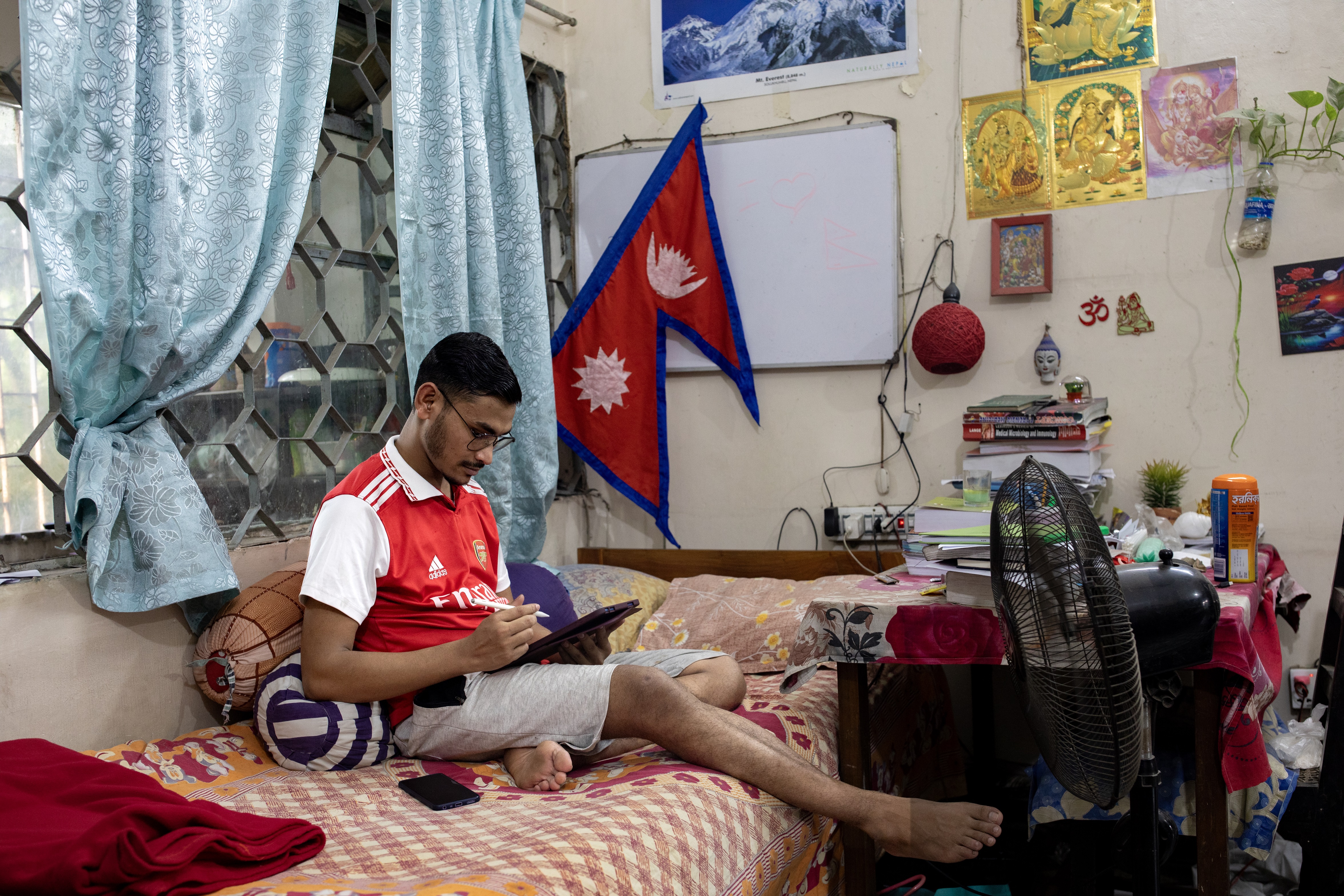
“Some moments were truly surreal,” Dr Ahmed recalls. “My first patient death was a child in the paediatric ward. After declaring the child dead, I went back to my room, cried, wiped away my tears, and then walked straight back out to receive another patient. One moment I was declaring a death and the next, I was calmly asking someone else, ‘What seems to be the problem?’ and checking their vitals.”
“I remember thinking, ‘What is happening?’ People say doctors are heartless or emotionless, but the reality is that we witness many patient deaths and face several traumatic experiences. We spend a lot of time explaining diseases and treatment plans and even dealing with misunderstandings and misbehaviour. After a point, we stop processing our emotions. We’re like, ‘It happened. Fine. Move on.' There were days when I wondered why I had chosen this profession,” Dr Ahmed shares.
The demands of the internship also leave little room for life outside the hospital, often straining relationships with family and friends.
“Internship kept me so busy and exhausted that I became the busy daughter, the distant sister, and the absent friend,” Dr Ahmed admits.
“It has affected my personal life a lot, to be honest. I only go home once every few months. In fact, there are many days when I can’t even find the energy to talk to my family over the phone,” adds Dr Masud.
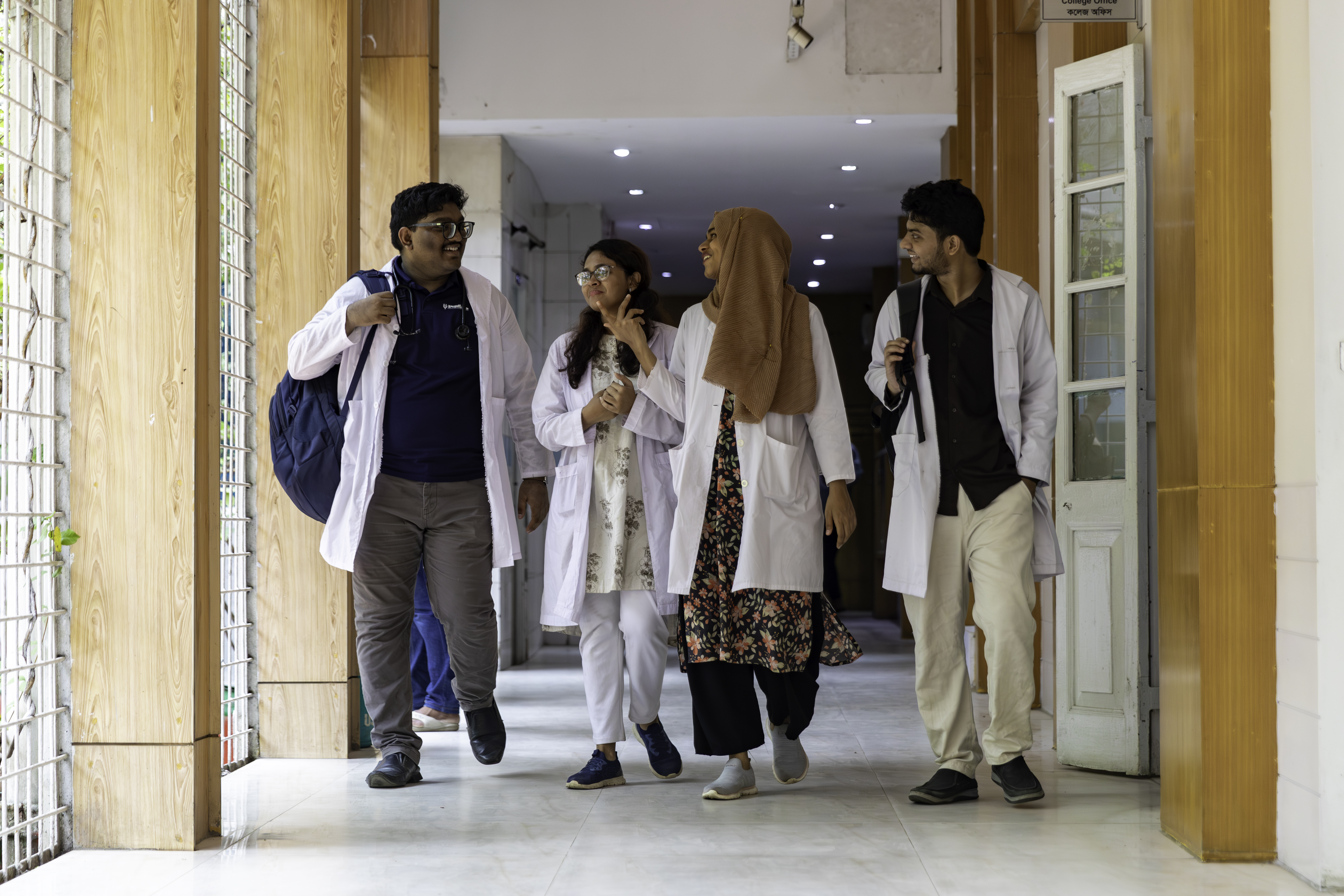
The long hours and sacrifices are not well reflected in the monthly stipend. “We receive a monthly stipend of BDT 20,000, which isn’t enough,” Dr Hasib comments.
Dr Ahmed tries to find joy in simple moments to keep herself sane: “Whenever we get a day off, we try to go outside or rest in our rooms. I love cooking with my roommates. Fridays are my favourite; we either follow our self-care routines or go out to refresh our minds. We don’t exactly study during the little free time we get; we use it to reboot ourselves.”
All four interns we talked to agree that those outside the medical field can never fully comprehend what they’re going through. When asked whether they would choose medicine again, knowing what they know now, their answers differed.
Dr Hasib responds with a firm “No, never”, while Dr Masud is more reflective: “Why would I? It’s so hard and painful, and there are many other options.”
Dr Ahmed, however, had a completely different answer to this question: “Despite the missed meals, sleepless nights, exhaustion, and the lives we sometimes lose, there is something extraordinary about seeing a patient smile again, heal again, and have hope again. In those moments, every hardship feels worthwhile. To be entrusted with the opportunity to ease someone’s pain and serve them in their time of need is, I believe, one of the greatest ways a person can serve humanity. So, I would choose this profession again and again, despite every hardship and sacrifice, because there is no greater privilege than helping another human being heal.”

Movies / Nolan’s reframing of The Odyssey
JnU tightens security after rival groups announce programmes

Education / A Bangladeshi photojournalist's Chevening journey

Opinion / Behind private Facebook faculty review groups
Clashes at 4 campuses in 24 hours raise fears of renewed student violence
Press Release / East West University arranges public lecture titled “What Drives Change: Today’s Questions”
Press Release / Fresh Anonna installs sanitary napkin vending machines in madrasas
Shibir and JCD trade blame after scuffles at DU’s Shahidullah Hall

Dhaka University admission applications open Nov 11 for 2026-27 session