


After a three-year hiatus, ‘Theatrewala’ revives Patuakhali’s theatre scene

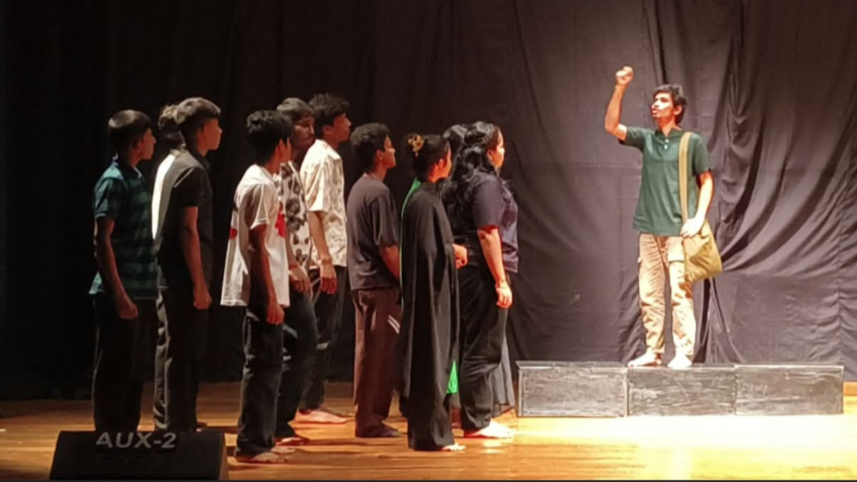
The stage lights came on again in Patuakhali on Friday (August 28) evening after a three-year hiatus. The moment drew a large audience to the auditorium of the District Shilpakala Academy. One by one, the 300 seats began to fill. Soon, the auditorium was packed. A quiet excitement spread through the audience as they waited for the curtain to rise.
Finally, the lights came on. The play “Theatrewala” began. It was a significant moment for Patuakhali’s theatre community. Theatre performances had returned to the district after a long break. With theatre lovers, cultural activists and ordinary spectators filling the auditorium, the District Shilpakala Academy appeared to regain its old vibrancy.
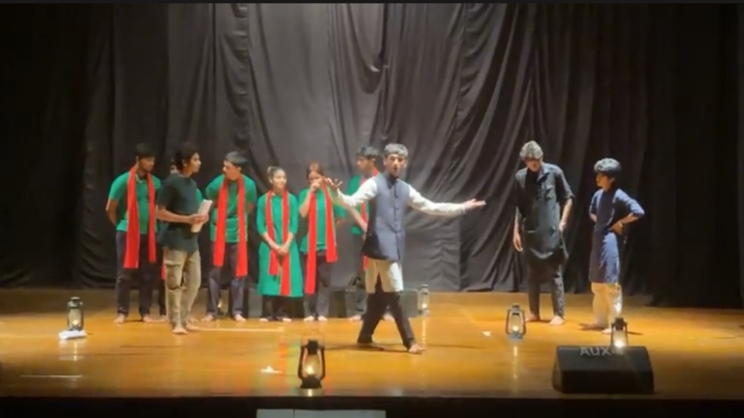
The theatre group Agun Mukha organised the performance with support from the District Shilpakala Academy. The play was staged in memory of noted late theatre personality and physician Fazlul Karim.
Stage plays are considered one of the key indicators of a city’s cultural vibrancy. Regular theatrical productions help nurture artistes and audiences. They also expose people to new ideas and perspectives. But Patuakhali’s theatre scene had experienced a prolonged interruption.
For nearly three years, the lack of regular stage productions had left the local theatre environment largely dormant. The artistes, however, did not stop working during the hiatus. They continued rehearsing and remained connected with theatre in their own ways. What they lacked was the opportunity to perform before a live audience.
That absence created a sense of emptiness among theatre workers. Audiences, too, were left waiting for the return of live performances. The staging of “Theatrewala” finally brought that wait to an end.
For the theatre workers, the performance was therefore more than simply the presentation of a production. It was an opportunity to return to the stage they love after a long absence.
The distinctive feature of “Theatrewala” lies in its subject matter. The story explores the realities of the theatre world from within. Audiences usually see the final performance on stage. But behind that performance lie long hours of preparation, hard work, sacrifice, frustration and dreams.
These backstage experiences form a central theme of “Theatrewala”. The stage lights are what audiences usually notice. But beyond those lights lie countless untold stories.
Artistes often have to overcome financial constraints, lack of time, limited audiences and personal struggles before they can stand on stage. They receive applause after a performance. Yet the long journey of hard work behind that applause often remains unseen.
“Theatrewala” brings those invisible stories to the forefront. The play also shows that theatre is not merely a form of entertainment. It is closely connected with people’s emotions, dreams, relationships and struggles to survive.
The play was written by Swapnil Das. Abdullah Ashraf Apurba (Anim) was responsible for its direction and planning. District Cultural Officer Kazi Md Kamruzzaman coordinated the production. Maksud-Un-Nabi, Gatia Sen Priti, Asif Ahmed, Farhana Zaman Jyoti, Turjo, Mushfiq, Yomi, Jannat, Habibat, Arafat, Asif, Saurav, Zobayed, Md Mashiur Rahman Mithun and Sania Meherin were among the performers.
Several people also worked behind the scenes. Md Zobayer Rahman handled makeup and lighting design. Mushfiq, Jannat and Mithun were responsible for costume management.
Interest among audiences grew after news spread that a play would be staged in Patuakhali after three years. The auditorium being full even before the performance began was a clear indication of that enthusiasm. Cultural activists therefore see the spontaneous response to “Theatrewala” after such a long break as a message of hope for Patuakhali’s theatre community.

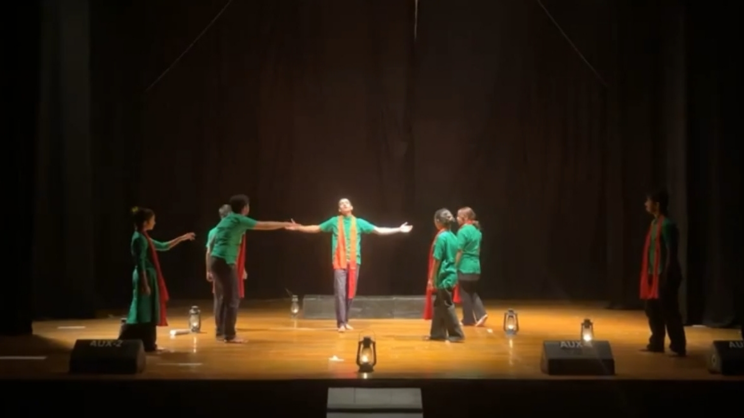
After the performance had ended, one important question remained: will regular theatre return to Patuakhali’s stages?
Cultural activists say staging one or two plays will not resolve the long-term crisis facing theatre. Regular performances, rehearsals and opportunities for new theatre workers to become involved are essential. In particular, engaging young people in theatre could bring fresh energy to Patuakhali’s theatre scene. Alongside regular productions, the sector needs patronage, organisational initiatives and continuous engagement between performers and audiences.
After three years, “Theatrewala” appears to have reopened that door of possibility. A stage that had remained silent once again echoed with voices on Friday evening. The lights came on. Characters came alive. A story unfolded before the audience. Through that story emerged another story — the struggle to keep theatre alive.
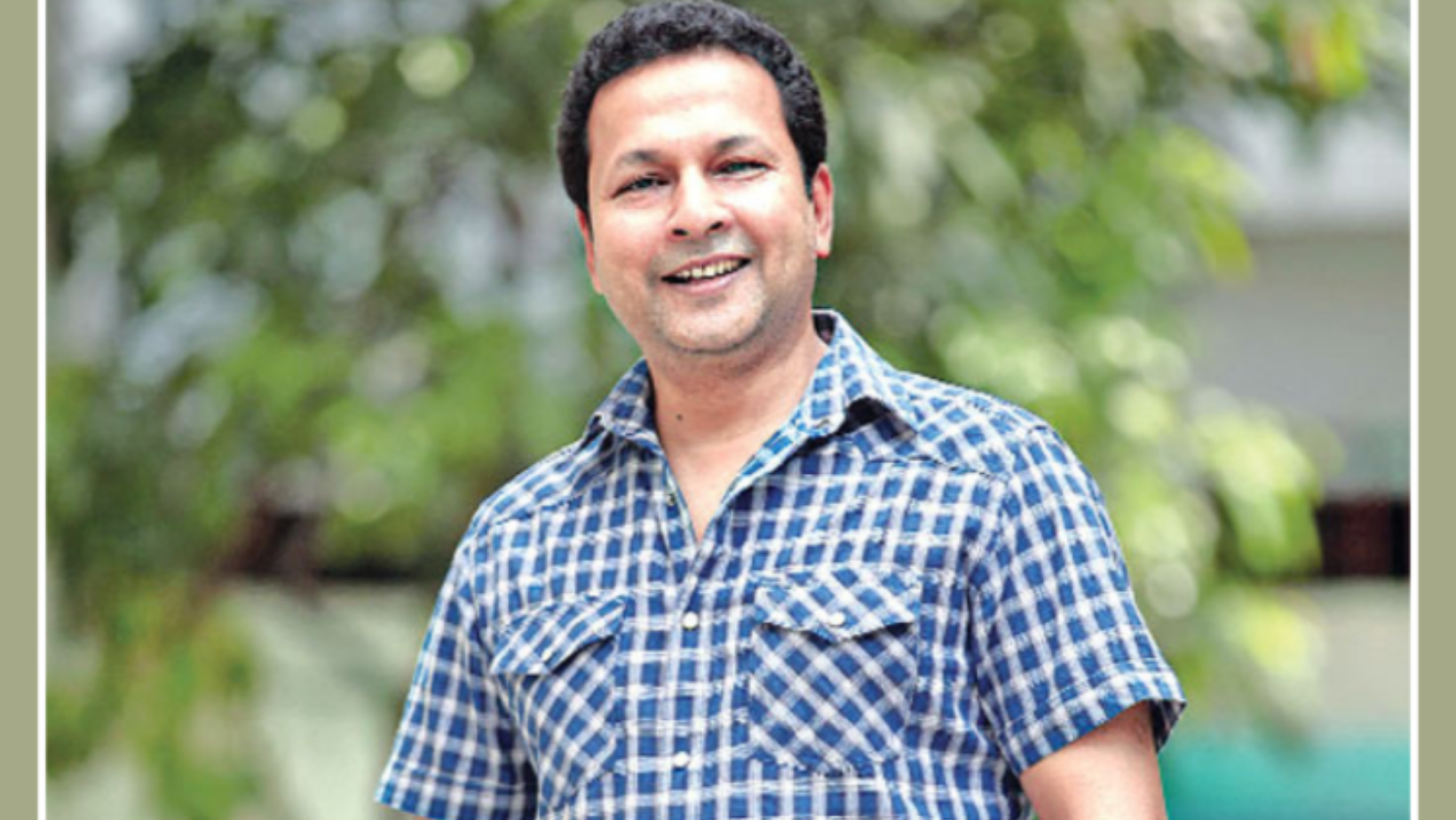
For Patuakhali’s theatre workers, the significance of the evening may lie precisely there. After three years of drought, it was not merely a play that returned to the stage. The courage to perform and the opportunity to dream again also returned.
 For all latest news, follow The Daily Star's Google News channel.
Comments