


Artcell evolves

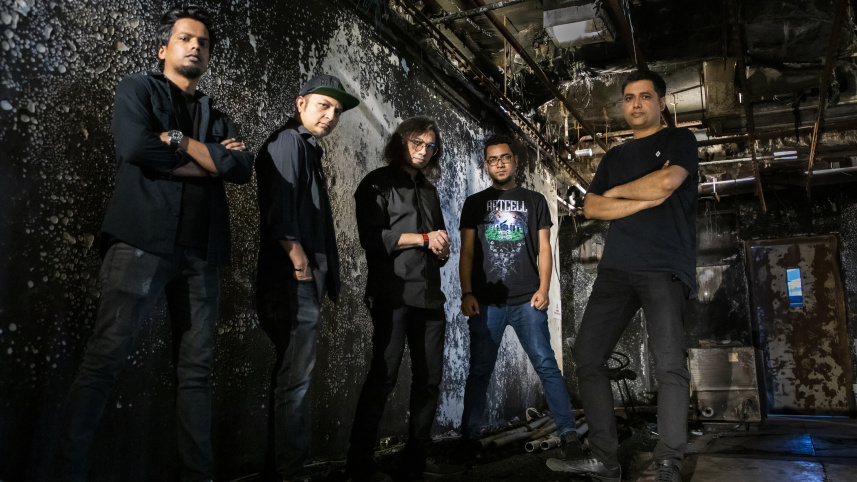
Fresh off one of their most testing concerts, some men dressed in casual black showed up at The Daily Star’s premises. There was a noticeable absence of a plumpish frontman known for tearing apart venues with his killer riffs and entrancing entire stadiums with his voice.
The hiatus of George Lincoln D’Costa, by all measures, is a big blow for a storied lineup like Artcell’s. For more than two decades, he has tirelessly carried the band’s vocal and riff sections with utmost pride.

Currently carrying out vocal and riff duties in the lineup is Bakhtiar Hossain, the former frontman of Bay of Bengal. “It is an absolute pleasure to play for Artcell; they were some of my heroes growing up.” The multi-talented artiste is also well-versed in flute playing and painting. How was Artcell’s inaugural show with Bakhtiar?
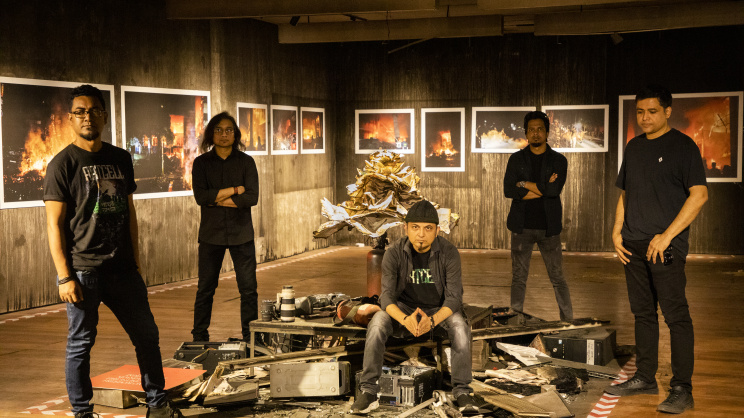
Kazi Asheqeen Shaju, the band’s drummer, weighed in. “Honestly, July 10 was nerve-wracking for me. Doing our first show without Lincoln—we were all concerned. However, the sheer support that our fans showed us put us at ease.”
The band maintains that the show proceeded like a whirlwind of emotions. Recently, they played at IUT to magnanimously good reactions.
Lincoln, however, has not ceased to be a member of the progressive rock band. “Lincoln will always be a member of Artcell, no matter what. In fact, he will play with us in our upcoming Canada tour, and so will Cezanne.” said Shaju. The tour, which starts in September, is an extremely enticing prospect for Artcell fans.
“We get a lot of offers for tours in North America, but we’re very particular about our setup,” said Iqbal Asif Jewel, a veteran guitarist who also plays for Miles. Jewel has been an integral part of Artcell’s journey since its formative days. “Our equipment and sound have to be up to our standards in order for us to play, because we don’t want to disappoint our fans.”
Fresh off the release of “Choturthangsho”, the band continues to evolve in terms of sound. However, they do acknowledge that the first two albums, “Onno Shomoy” and “Oniket Prantor”, are a lot to live up to, especially in the eyes of loyal fans who have been there from the start. “I respect the opinions coming from all fans,” says Kazi Faisal Ahmed, the band’s lead guitarist. “But I do believe that nostalgia has a lot to do with some people taking time to warm up to our newer songs. That being said, fans do sing along to our newer tracks now!”
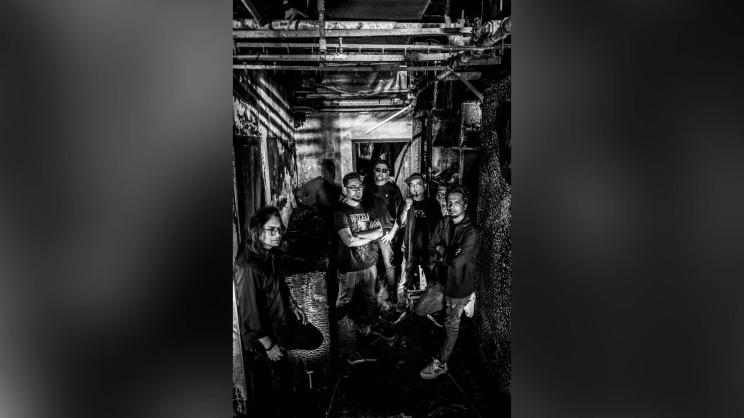
The members of Artcell are quite excited about performing heavier tracks on stage. “We’re getting to play tracks like ‘Odekha Shorgo’ and ‘Opshori’, and it gives me immense joy,” said Faisal.
Besides producing and releasing stellar music, Artcell is also working on archiving their tracks. “We’re quite proud of our new website, which you can access at ‘artcell.band’,” says Shaju. True to his word, the website is aesthetically pleasing, easy to navigate, and comes with a chatbot that can accurately answer questions about the band.
I took advantage of the chatbot and asked it a question: “What is the biggest controversy that Artcell was embroiled in?” It answered, “I don’t quite know about ‘scandals’, but the most public departure was Ershad Zaman’s.”
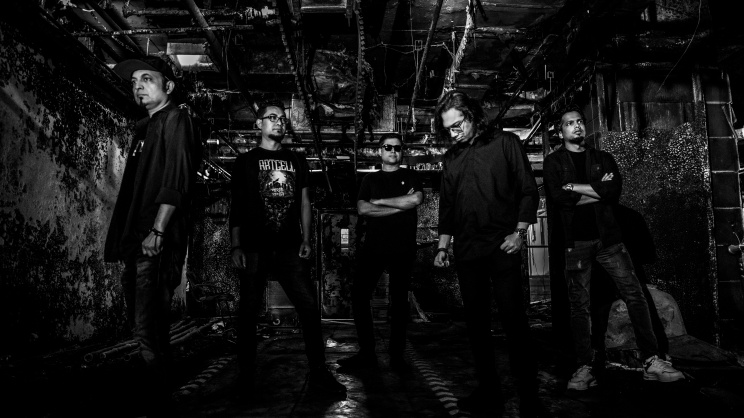
The opportunity was right there to ask about the departed founding member. Not even a tiny bit fazed, Shaju answered, “Ershad is a fantastic guitar player. We exchange greetings every time we meet, and we have nothing but good wishes for him and his music. He is as much a part of Artcell’s legacy as we are.”
In a declining era of band music, where many are prone to the pitfalls of becoming just another nostalgia act, Artcell keeping up with the times is just the reality check that the industry needs. It is perhaps safe to say that Artcellism will live within fans for generations to come.
 For all latest news, follow The Daily Star's Google News channel.
Comments