


Before his voice became iconic, Ayub Bachchu composed these classics

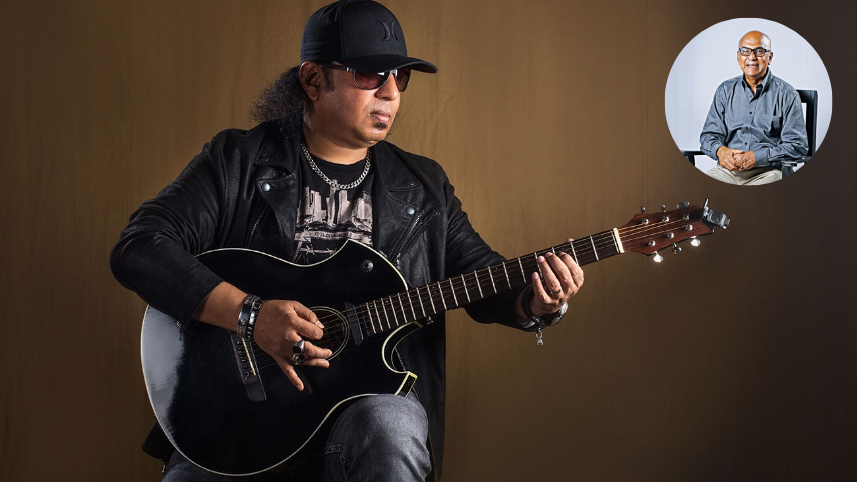
Legendary musician Ayub Bachchu remains one of the most influential figures in Bangladeshi band music. One of the pioneers who helped shape the country’s band scene, he was celebrated as the ‘six-string magician’ and was equally renowned as a singer, songwriter and composer.
Today marks the birth anniversary of the legendary musician. Had he been alive, the Bangladeshi rock icon would have turned 64.

Before becoming a household name through songs performed in his own voice, Bachchu composed music for other singers. Many of those songs have since become timeless favourites. Lyricist Shahid Mahmud Jangi, best known for writing the song “Ekdin Ghumbhanga Shohore”, recently spoke to The Daily Star about some of Bachchu’s lesser-known work as a composer.
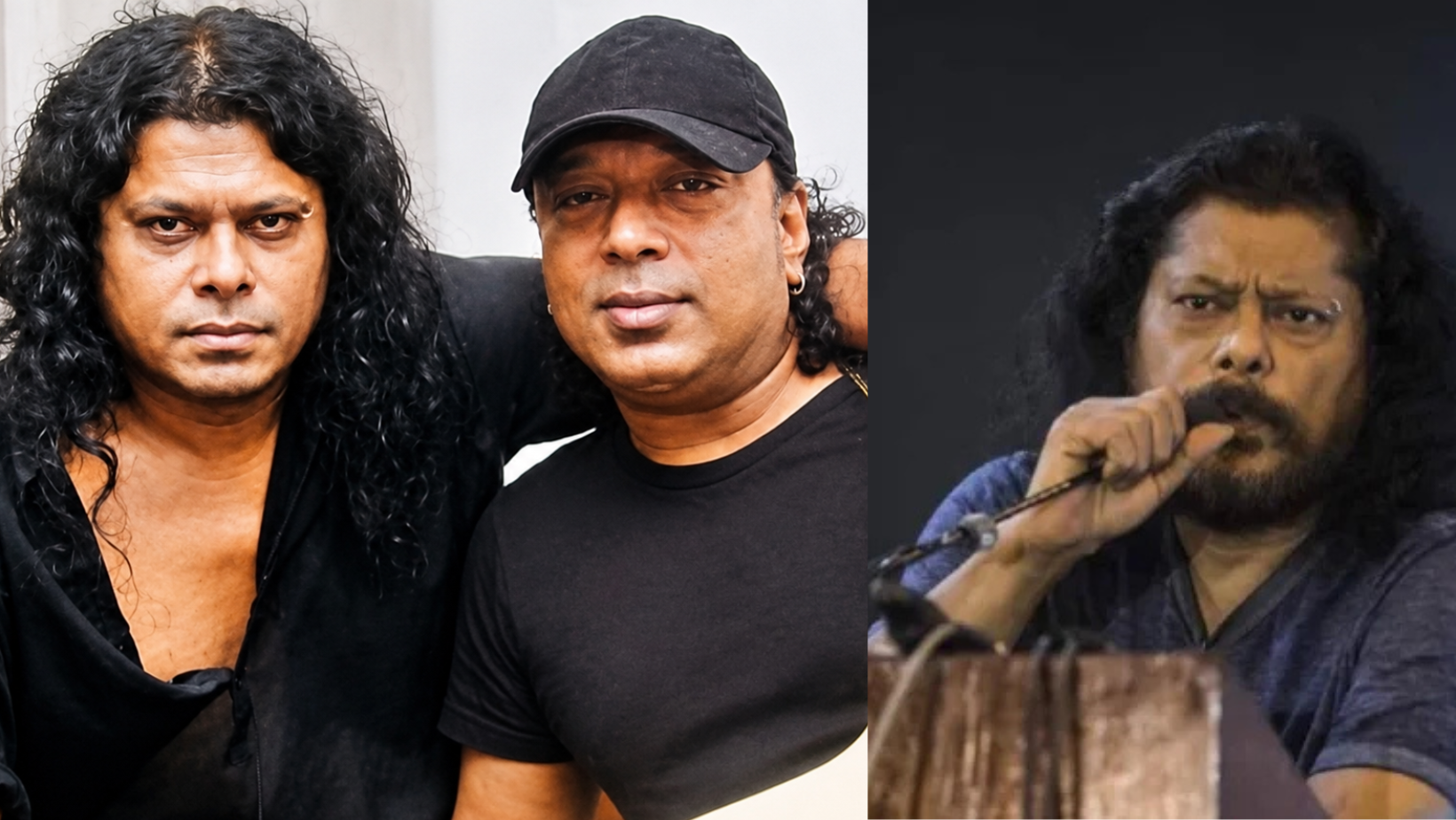
“Many people know about Bachchu’s songs only from the period after he became popular as a singer,” Jangi said. “But long before that, he had already given listeners many memorable songs as a composer. Not many people know this.”
According to Jangi, Bachchu composed songs for renowned singers Tapan Chowdhury and Nasim Ali Khan even before establishing himself as a solo performer.
Tapan Chowdhury’s self-titled debut album, released by “Sargam” in 1985, featured several songs composed by Bachchu, including “Amar Golpo Shune”, “Mone Koro Tumi Ami”, “Harano Dinke Ami Fire Jodi Pai” and “Alo Bhebe Jare Ami”.
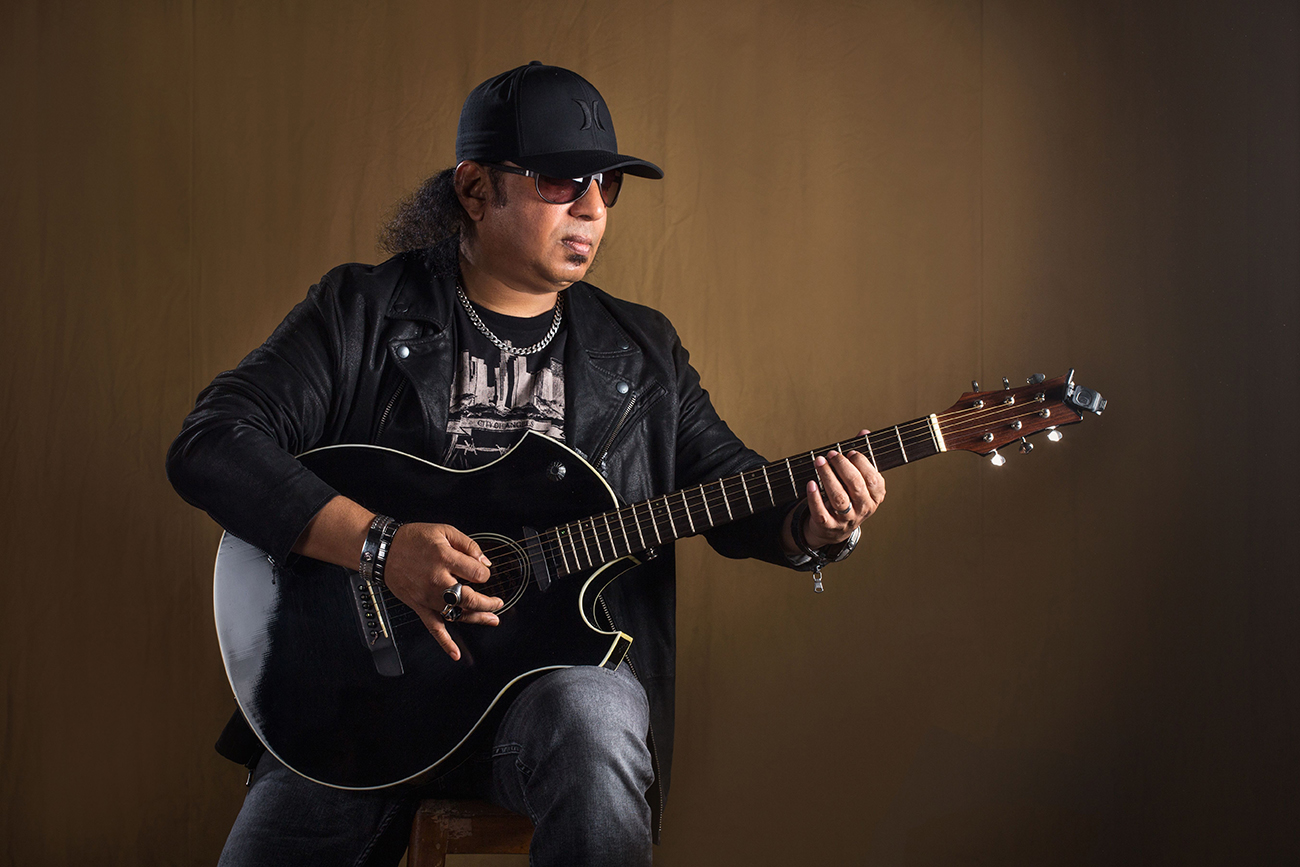
Bachchu also composed several songs for Nasim Ali Khan’s debut album, released in 1989. The album featured “Jotin Sir-er Class e”, “Pothe Jete Jete”, “Bhabna”, “Ohe Nodi" and “Oguchhalo Ami”.
“Besides these, ‘Harano Bikel-er Golpo’, ‘College-er Corridor-e’, ‘Saontali Meyera’, ‘Pathor Kalo Raat’, ‘Moyna and Tara Bhora Raate’ were also among the songs Bachchu composed before becoming popular in his own right,” Jangi said. “Later, he became a major star by performing songs such as ‘Ghumonto Shohore' and ‘Shei Tumi’ in his own voice.”
Born on August 16, 1962 in Enayet Bazar, Chattogram, Ayub Bachchu released his first song, “Harano Bikel-er Golpo", written by Shahid Mahmud Jangi. His first solo album, “Rokto Golap”, was released in 1986.
Bachchu joined the band Feelings in 1978 before becoming part of Souls in 1980. He spent nearly a decade with Souls, establishing himself as one of the country’s finest guitarists and musicians. After leaving the band, he formed LRB in 1991. The band released its debut album in 1992.
A career filled with memorable music
Bachchu’s solo albums include Moyna (1988), Kosto (1995), Shomoy (1998), Eka (1999), Prem Tumi Ki (2002), Duti Mon (2002), Kafela (2002), Prem Premer Moto (2003), Pother Gaan (2004), Bhatir Tane Matir Gaan (2006), Jibon (2006), Sound of Silence (2007), Rimjhim Brishti (2008), Bolini Kokhono (2009) and Jiboner Golpo (2015).
LRB’s discography includes LRB (1992), Shukh (1993), Tobu-o (1994), Ghumonto Shohore (1995), Ferari Mon (1996), Shopno (1996), Amader and Bismoy (1998), Mon Chaile Mon Pabe (2000), Ochena Jibon (2003), Mone Ache Naki Nei (2005), Sparsho (2008) and Judho (2012).
Among Bachchu’s best-known songs are “Cholo Bodle Jai”, “Hashte Dekho Gaite Dekho”, “Keu Shukhi Noy”, “Ferari Ei Monta Amar”, “Ekdin Ghum Bhanga Shohore”, “Bangladesh”, “Kosto Pete Bhalobashi”, “Ekhon Onek Raat”, “Hawker”, “Ei Rupali Guitar Fele”, “Gotokal Raate” and “Shei Tara Bhora Raate”.
His other popular numbers include “Meye Tumi Ki Dukkho Cheno”, “Share Tin Haath Mati”, “Ural Debo Akashe”, “Kotodin Dekheni Dui Chokh”, “Mone Ache Naki Nai”, “Kar Kache Jabo”, “Lokjon Kome Geche”, “Ekta-i Mon Jokhon Tokhon”, “Ek Akasher Tara Tui Eka Gunish Ne”, “Mon Chaile Mon Pabe”, “Anonto Prem Tumi Dao Amake”, “Ami To Preme Porini” and “Ammajan”.
Ayub Bachchu was posthumously awarded Bangladesh’s second-highest civilian honour, the Ekushey Padak, in 2026.
The legendary musician died on October 18, 2018 at the age of 56, leaving behind a body of work that continues to define generations of Bangladeshi rock and band music.
 For all latest news, follow The Daily Star's Google News channel.
Comments