


Rina Rahman passes away; behind decades on screen was a life of struggle
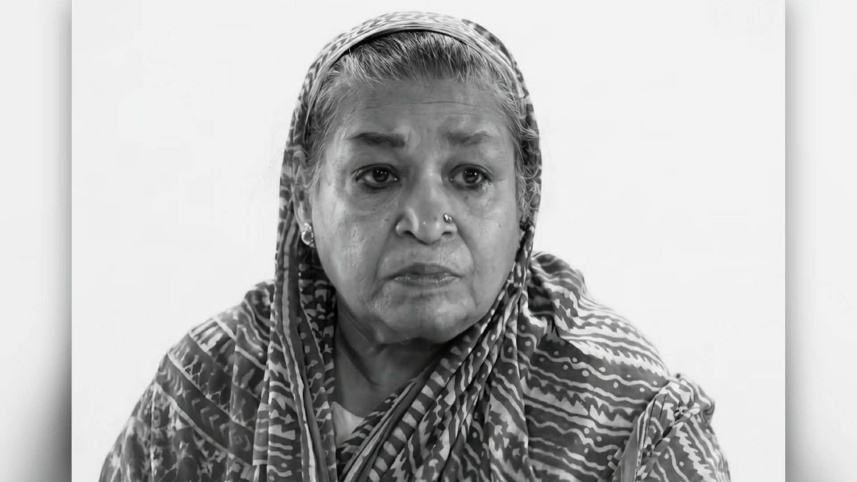
Veteran actress Rina Rahman, whose career spanned more than four decades across theatre, television and film, passed away on Monday night (August 3), leaving behind a body of work that touched generations of audiences. She was known for portraying a wide range of characters with warmth and authenticity, but behind the applause was a life defined by resilience, sacrifice and an unwavering love for her craft.
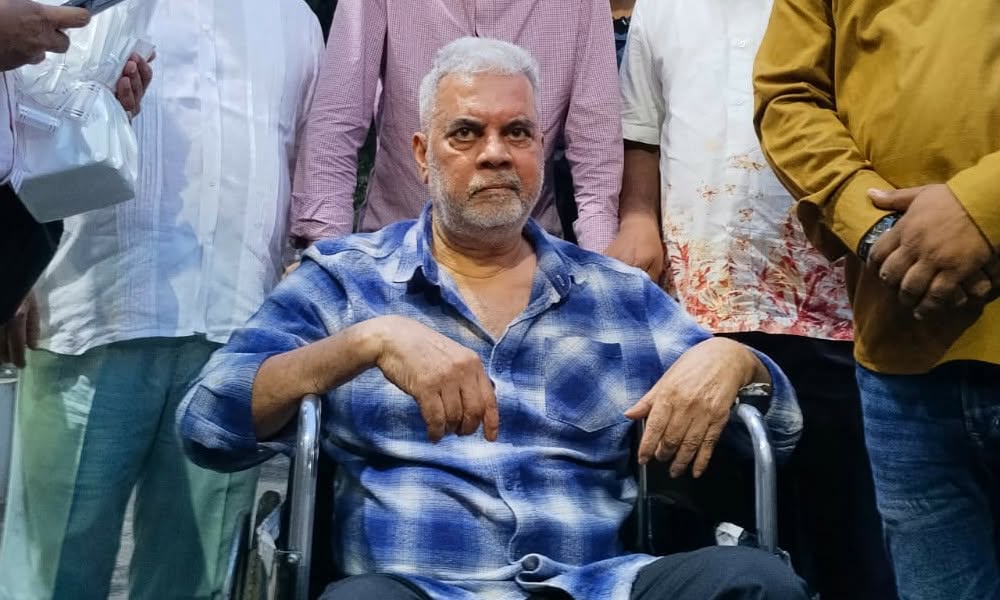
Her death was confirmed by Rashed Mamun Apu, general secretary, Actors Equity Bangladesh. Rina Rahman had been battling complications from a stroke and several other age-related health issues for a prolonged period.
Her memorable body of work includes the acclaimed television drama “Shongshoptok”, the films “Ghani” and “Thikana”, and the television serials “Man Obhiman” and “Joba”.
In the hours following her passing, a five-year-old interview on YouTube resurfaced on social media, offering a poignant glimpse into the realities of her life beyond the camera. It revealed not only the struggles of one veteran actress, but also the hardships faced by many artistes who dedicated their lives to the industry with little financial security in return.
Even as her health deteriorated, her greatest wish remained remarkably simple: to continue acting. “I still want to keep working until my last breath. That is my only wish.”
At the time of the interview, she spoke candidly about suffering from knee problems, cataracts and other physical complications. More painful than illness, however, was the lack of work.
“My health has deteriorated badly. The biggest problem is that people like us simply don't have any work these days. There is a severe shortage of work.”
Rina Rahman's artistic journey began in Khulna, where she joined Khulna Natya Niketan. She initially trained in dance before studying music, eventually finding her true calling in acting.
Years spent performing on stage in Khulna laid the foundation for a career that later flourished in Dhaka, where she worked with several theatre groups before becoming a familiar face on television and in cinema.
Widowed at a young age, she was left to raise four children on her own while trying to sustain an acting career. She ensured her children received an education and grew into independent adults, persevering through years of financial hardship.
Even after becoming a grandmother, money remained a constant concern.
"I've married off my daughters. Visiting their in-laws' homes involves expenses, so even when I want to go, I simply can't afford it,” she admitted in the interview.
To support her family, Rina worked outside the entertainment industry alongside acting.
She once recalled working on 12-hour shifts before returning home exhausted. “Sometimes I became so tired that I lost my way. My brother would stand downstairs calling me, and I would follow him home.”
After spending decades in the industry, the actress spoke openly about what she felt had changed most—not only the economics of acting, but its culture.
She remembered a time when senior and junior performers greeted one another with warmth and respect. “Respect simply doesn't exist anymore.”
She also believed many younger performers knew little about the struggles and sacrifices made by veteran artistes who helped build Bangladesh's entertainment industry.
Rina’s career stretched across more than 40 years, yet financial security remained elusive. She lamented that while the cost of living had risen sharply, artistes' fees had failed to keep pace.
Still, she frequently accepted work for modest pay simply because acting remained inseparable from who she was.
“They tell me in advance, ‘Apa, the payment is low. We haven't received enough money, so please do it for less’. Then I think, at least I should earn enough to buy myself a meal."
Towards the end of her life, rent, medical expenses and everyday necessities became increasingly difficult to manage. "I'm struggling badly now. My back is against the wall. Rent and every other expense have gone up." Her words echoed the realities confronting many veteran performers long after the applause has faded.
"I just want to eat a simple meal of rice and lentils at home, spend my final days remembering Allah, and die in peace. That's all I want." She also left behind a message that resonates beyond her own life.
"Artistes ask for very little—only respect, only respect and love."
Before illness forced her to stop working earlier this year, Rahman had been portraying Moyna's Mother in the Deepto Television serial “Porompara”. She was unable to continue filming after February because of her declining health.
Rina Rahman's passing marks the end of a remarkable career, but her life also leaves behind a sobering reminder of the fragile realities many veteran artistes continue to face. She spent decades entertaining audiences with grace and commitment. In return, she asked for very little: the opportunity to work, enough to live with dignity, and the respect owed to those who devoted their lives to the arts.

 For all latest news, follow The Daily Star's Google News channel.
Comments