


Becoming Jibanananda: Basar’s transformative journey in ‘Bonolota Sen’

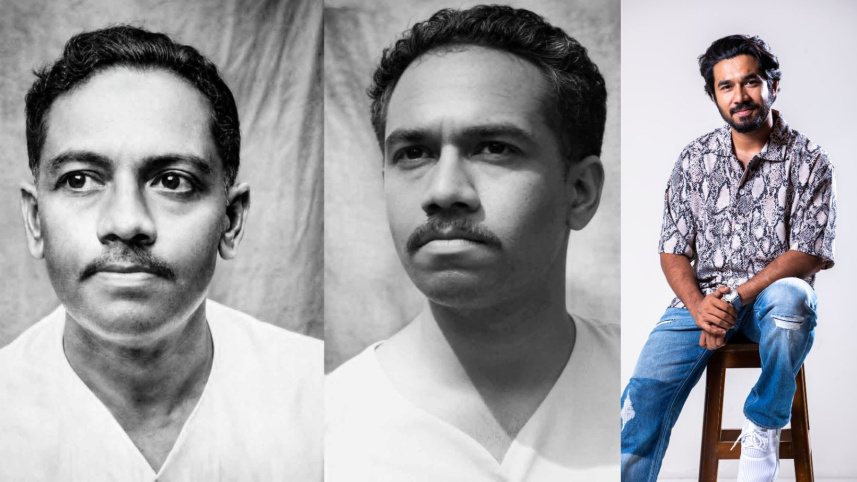
For Khairul Basar, “Bonolota Sen”, directed by Masud Hasan Ujjal, has been as much a creative gamble as it has been a career-defining artistic journey — one shaped by uncertainty, fragmented direction, and an unusually long process of discovery.
“What’s surprising is how organically people are responding. The engagement around ‘Bonolota Sen’ has been very strong — beyond what we expected.”

But what has truly amplified the buzz, he notes, is the visual reaction to the character reveals.
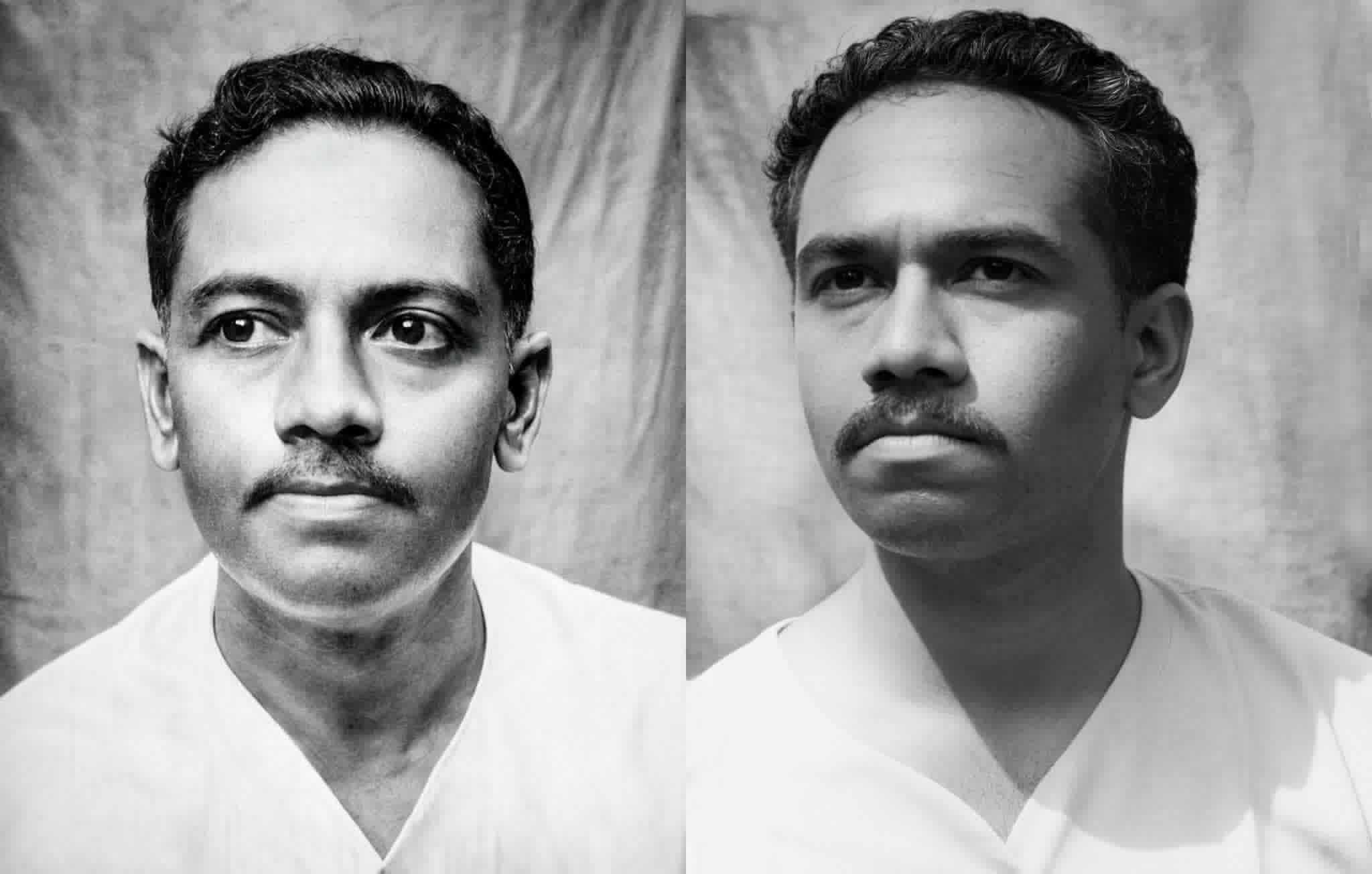
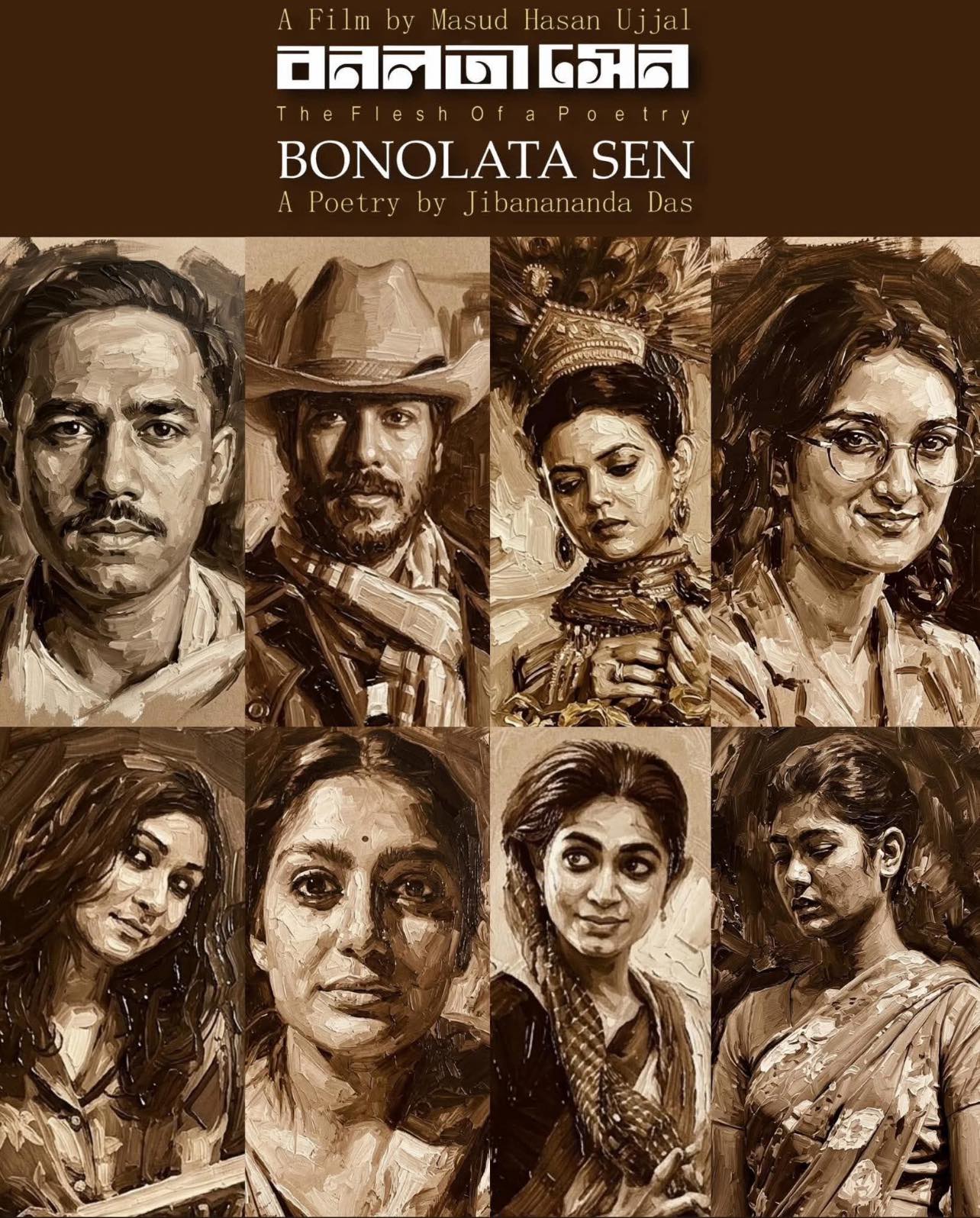
When the first look of “Bonolota Sen” dropped, viewers were taken aback by Basar’s uncanny resemblance to Jibanananda Das. “People are talking a lot about the resemblance,” he said. “Some are saying it’s uncanny — almost like the same face appearing in different frames. Even the comparison posts are being widely shared. I genuinely didn’t expect that level of reaction.”
For the actor, the anticipation feels organic rather than manufactured. “People are commenting as if they’ve already decided to watch the film in theatres. Before even seeing it, they’re expressing that certainty.”
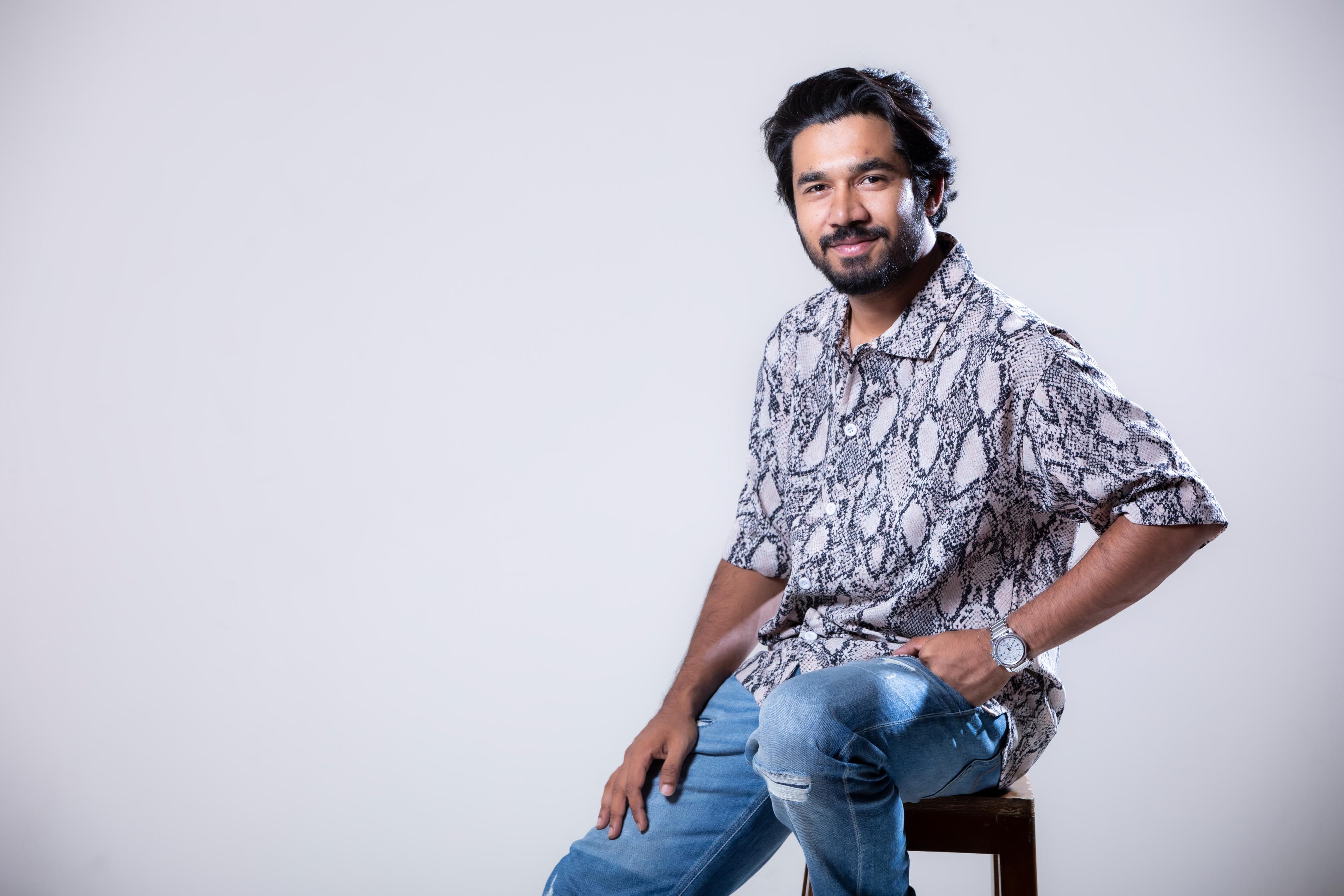
Yet behind the excitement lies a process that was deliberately disorienting from the start. “At the beginning, there was no clarity about the role of Jibananda Das, if I was doing it,” he recalled. “They gave me random sequences — not full scenes, just fragments. I kept asking for context, but they wouldn’t give it.”
The direction itself was abstract. “They told me, ‘Just perform it like you’re throwing a stone in the dark. We’ll understand what we need from your performance.’”
That confusion deepened when the role was finally.
“Then Ujjal bhai called me in after a few rounds and said directly, ‘You will play Jibanananda Das.’”
For a moment, he froze. “I wasn’t sure whether they meant the poet himself or a character inspired by him. It took me a few seconds to process it fully.”
Once confirmed, the responsibility became clear — and heavy.
“I told Ujjal bhai that I hadn’t prepared with that in mind. But he said, ‘I’ve already found you. Trust what I saw.’”
What followed was an unusually detailed rehearsal process spanning nearly three and a half months.
“We didn’t just rehearse scenes,” he explained. “We worked on blocking, camera movement, framing — even shooting rehearsals on DSLR to understand how everything would look on screen.”
The process was almost architectural. “It felt like building the film step by step — lens by lens, movement by movement.”
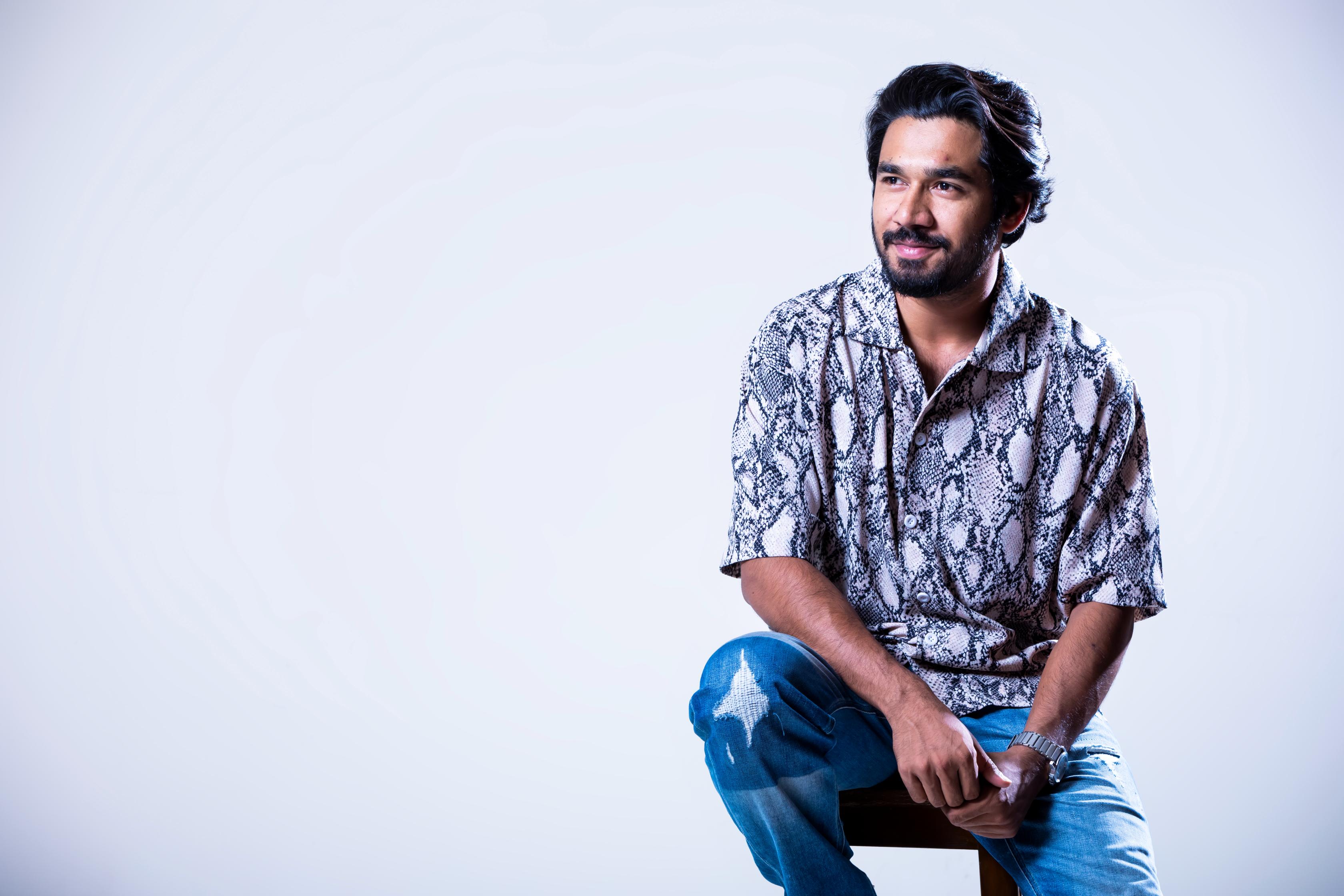
Other actors also entered the process in fragments — sometimes physically present, sometimes joining remotely. “It was very scattered, but extremely committed at the same time.”
But such a long, uncertain process came with its own strain. “There were times we didn’t know when the film would finish,” he admitted. “Schedules kept changing, and locations kept shifting. It felt completely open-ended. Also, due to other commitments, many crew members had to leave; however, we, the showmen, remained.”
Even the physical transformation became an evolving experiment. “The look kept changing,” he said. “Small details — facial structure, expressions — were constantly tested against the director’s sketches.”
Even while creating the avatar of Jibanananda Das, the process remained a memorable one for him. “I was having tea at a nearby stall where we were rehearsing, and there was some lemon rind on the cup. Suddenly, it struck me that if I put it in my mouth, the shape might change—and when I tried it, I actually found a resemblance to Jibanananda Das.”
He recalls a process where nothing felt fixed. “I worked for hours holding that lemon peel inside my mouth, and since I had initiated the idea, no one knew how it should be shaped. So I had to do it myself, even trimming the hairline on my forehead to make the look appropriate. Our director did not want to depend on prosthetics.”
 For all latest news, follow The Daily Star's Google News channel.
 Despite the chaos, he says there was a strong internal discipline guiding the film.
“The director had a very clear vision,” he said. “Even when we didn’t fully understand it, we trusted that it would come together.”
Looking back, Basar describes the experience as both exhausting and rewarding. “When I watched the preview, I finally felt calm,” he said. “All the confusion and uncertainty settled.”
For him, “Bonolota Sen” is not just a film but a layered creative process shaped by risk, patience, and trust.
“It feels like a visual experiment,” he said. “And I think audiences will either be completely absorbed — or completely surprised. There won’t be a middle ground.”
Comments