


‘Michael’ captures the magic, but hesitates to confront the man

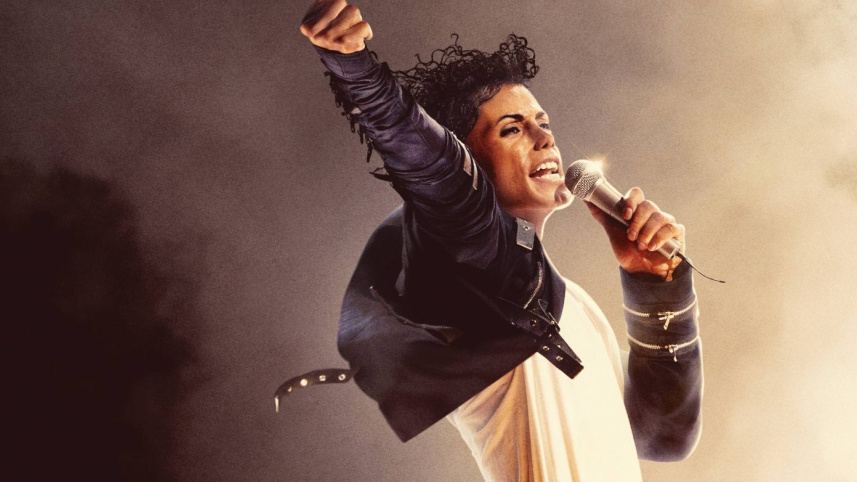
For as long as I can remember, Michael Jackson has been part of my life — a love that took root before I was old enough to understand why. I would scream at the sight of him on our television screen, blow kisses at the set, and watch in awe as he danced.
No one moved like him: effortless yet electric, smooth as butter. That feeling never left me. To this day, I find myself disappearing down rabbit holes of his interviews and music videos, marvelling all over again — and cornering anyone within earshot with facts about him they almost certainly did not ask for. So yes, I came to “Michael” as a devoted fan — and for the most part, it gave me plenty to hold onto.

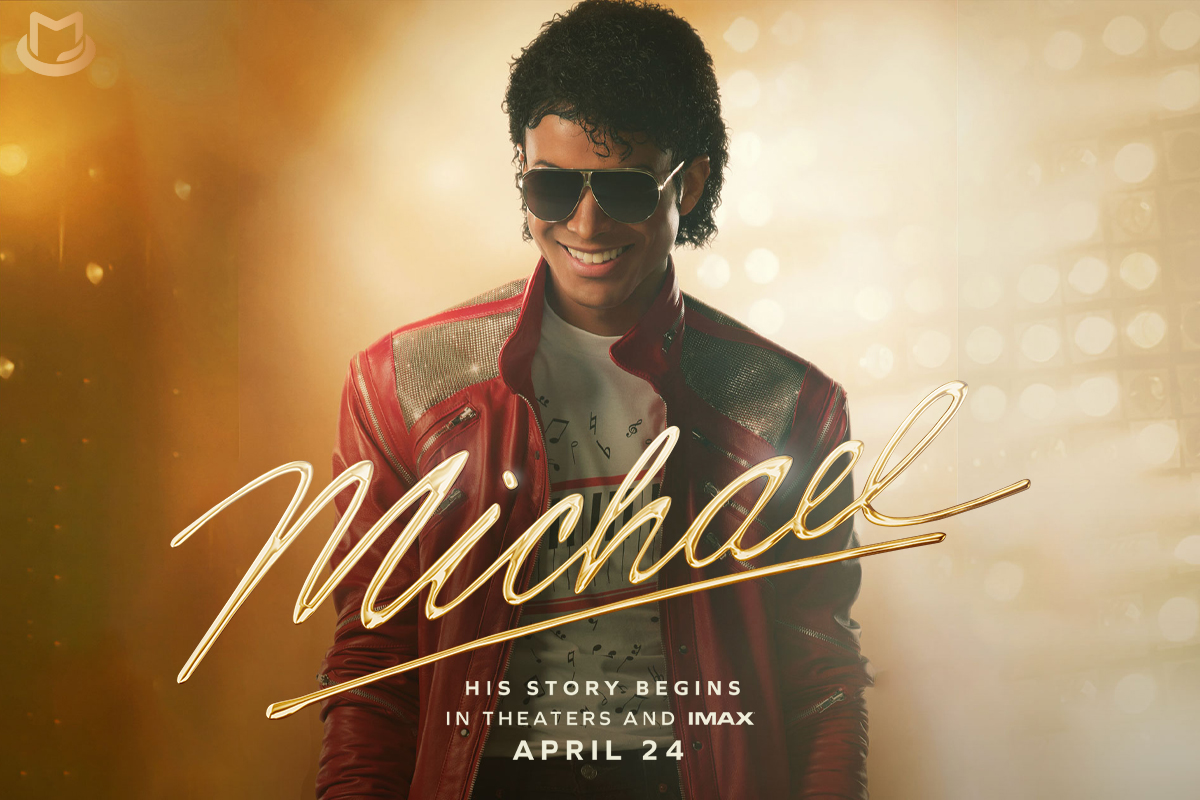
At the heart of the film is Jaafar Jackson. To say he embodies his legendary uncle would be an understatement. He doesn't merely play Michael Jackson — he channels him, and watching him, I found myself forgetting, more than once, that I wasn't watching the man himself. The mercurial grace, the quiet intensity, the almost otherworldly charisma that made the King of Pop impossible to look away from — it is all there. It is a portrayal that will be talked about for years.
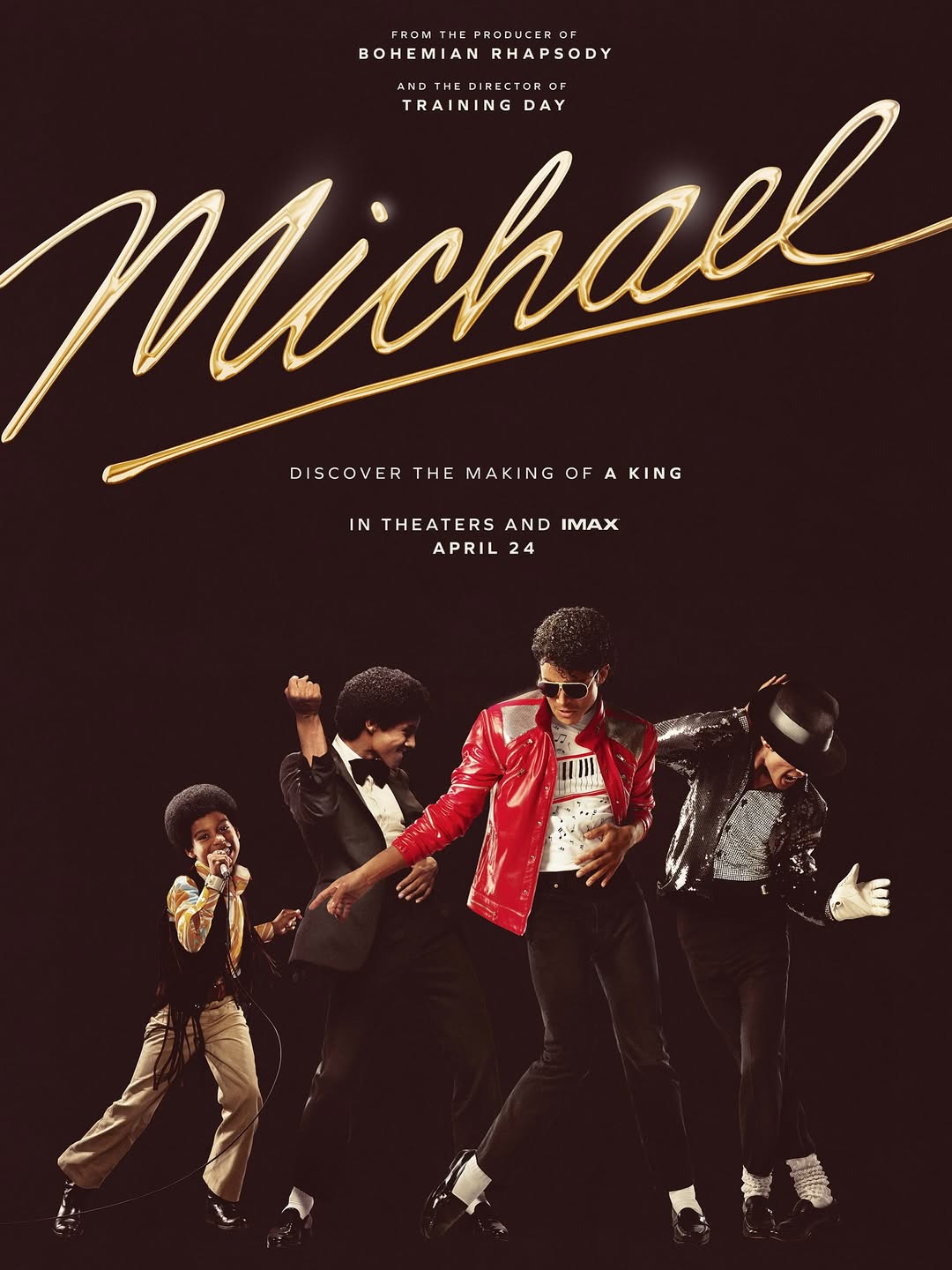
Alongside him, Juliano Valdi is a genuine find. As the young Michael, he captures something rare and nearly impossible to manufacture — the flicker of an extraordinary talent before it fully knows what it is. For all its dazzle and spectacle, the film never lets you forget that beneath it all was a boy who grew up too fast, in circumstances that would have broken most — and who channelled all of it, somehow, into something the world had never seen before.
The screenplay centres on the fraught relationship between Michael and his father — Joe Jackson, played with coiled, watchful menace by Colman Domingo — while tracing the rise of a solo career that would redefine popular music. The film finds flashes of tenderness, among them Michael's well-documented love for animals — a detail I have always found deeply touching, rendered here not as eccentricity but as the logical retreat of a man for whom fame had made ordinary human warmth nearly inaccessible. These moments reveal what the film is capable of when it trusts its subject.
The trouble is that it too rarely does. As an estate-approved production that underwent costly reshoots under legal constraint, “Michael” was perhaps never positioned to fully interrogate the man it celebrates — and that limitation is palpable in almost every scene. The film moves briskly from milestone to milestone, skimming the surface of a rich mythology rather than truly excavating it.
A scene in which Joe beats Michael in front of his siblings should be shattering; instead it functions mostly as exposition — something to be gotten through en route to the fun stuff.
There is no curiosity about why the Jackson 5 connected with audiences, or what a prepubescent boy singing love songs to adoring crowds said about the world that made him famous. More telling still, it hardly pauses to explore the true cost of such singular greatness: the demons that fuelled the genius, or what it felt like to be that person, in that body, under that kind of unrelenting scrutiny. The result feels closer to a lavish greatest hits package than a genuine character study.

Ultimately, the admiration at its core is unmistakable — and that is what saves it. For all that it leaves unexplored, “Michael” is never less than watchable, never less than exhilarating. It gave me what I came for — the music, the moves, the man — and in those moments, my heart was full, even if the more complicated truths remained just out of reach. It closes with three words that feel like both a relief and a challenge: his story continues. Michael Jackson’s life was simply too vast, contradictory, and extraordinary to fit inside one film — and this one, for all its flaws, at least has the good sense to know it.
 For all latest news, follow The Daily Star's Google News channel.
Comments