


Advancing the COP28 gender action plan through A feminist climate justice lens
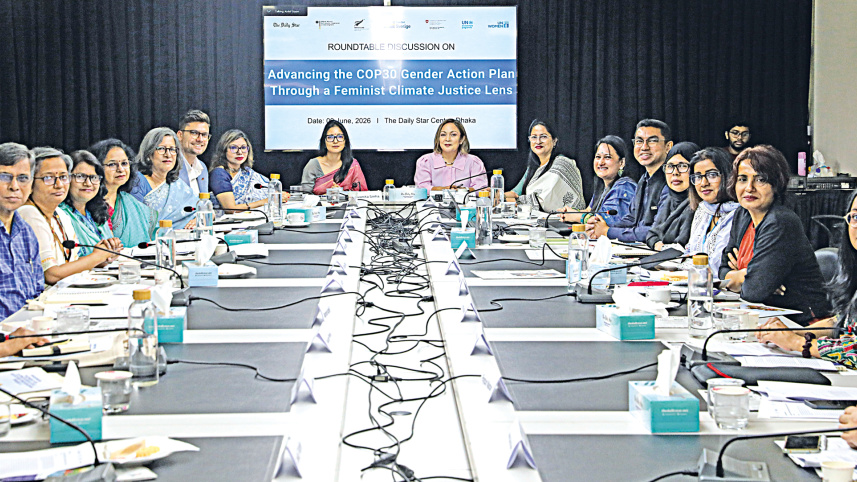
The Daily Star and UN Women jointly organised a roundtable on 9 June 2026, bringing together government officials, development partners, climate experts, and gender advocates. The dialogue examined how Bangladesh can strengthen gender-responsive climate governance and contribute to a more ambitious, inclusive Gender Action Plan at COP30. Recognising that climate change disproportionately affects women and marginalised groups, participants explored practical recommendations to ensure that climate financing, policies, and decision-making promote meaningful participation, address structural inequalities, and centre the leadership of those most affected.
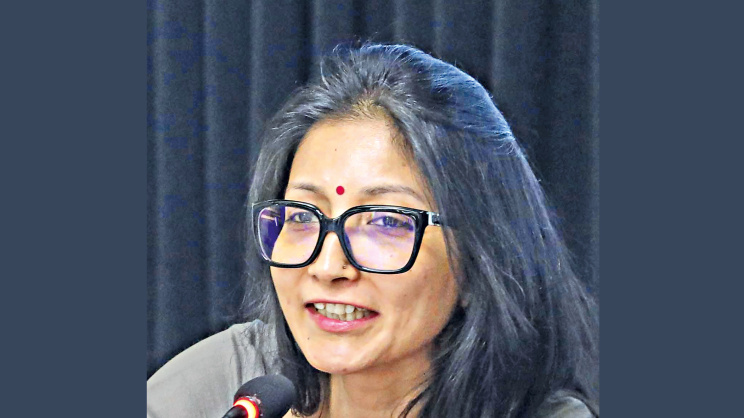
Navanita Sinha
Deputy Representative
UN Women Bangladesh

Advancing the climate justice agenda requires centering gender justice. Significant progress emerged from the Belém Gender Action Plan, which strengthens representation, intersectionality, the care economy, and human rights protections. Nationally, Bangladesh’s September 2025 NDC submission demonstrates a strong commitment. Notably, Bangladesh is one of only ten countries identifying targeted gender actions across six priority areas, while uniquely addressing land tenure security and resource access for women. The NDC also recognises climate-linked vulnerabilities such as child marriage. However, translating these commitments into ground-level reality remains vital. Therefore, aligning global frameworks with national implementation, ensuring budget accountability, and channelling finance to local women’s organisations are critical going forward.
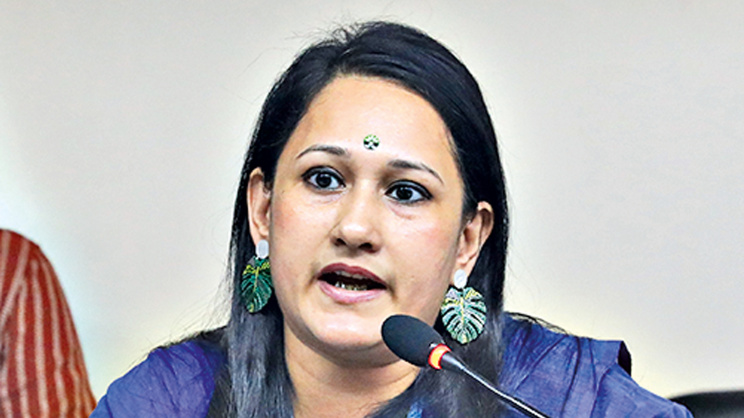
Kazi Rabeya Ame
Programme Analyst, Gender and Climate Change
UN Women Bangladesh
Bangladesh remains highly vulnerable to climate hazards like salinity intrusion, which severely impacts women’s health. Globally, projections indicate 185 million more women and girls will fall into poverty by mid-century due to climate impacts, making a feminist climate justice framework crucial. Furthermore, while the female lower secondary education completion rate stands at 84.7%, labour force participation remains disproportionately lower at 38.6%, compared to 80.4% for men. To address these disparities, the framework operates on four pillars: recognition, fair redistribution, inclusive representation, and accountability. Although the proposed climate budget has increased by 25% alongside robust frameworks like the gender-responsive NDC 3.0, translating policies into grassroots impact remains a priority. Therefore, bridging this gap requires developing ministerial focal points, strengthening local community monitoring, and increasing direct climate finance for women-led organisations to advance long-term resilience and inclusive green growth.
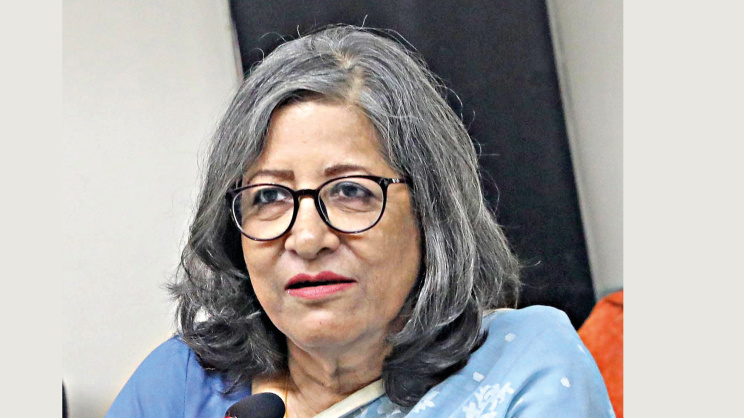
Farah Kabir
Country Director
Action Aid
Gender justice must move from the margins to the centre of climate negotiations, as climate and gender justice are inseparable. Greater attention is also needed for loss and damage, care work, and sustained support for women’s organisations. Linkage with Disaster management and humanitarian response is critical given the increased distress due to climate change. At the national level, climate commitments should be backed by proper costing, gender-responsive budgeting, and stronger integration of gender across sectors, including pollution and waste management. Research shows climate spending from 2001-2026 remained at 10% for two consecutive years, covering only BDT 317 billion of the BDT 742 billion annual requirement under the National Adaptation Plan, leaving a financing gap of over 50%. Therefore, increased investment in renewable energy, climate-resilient agriculture, local climate finance, stronger accountability, Loss and damage financing and effective monitoring are essential to ensure resources reach vulnerable communities.
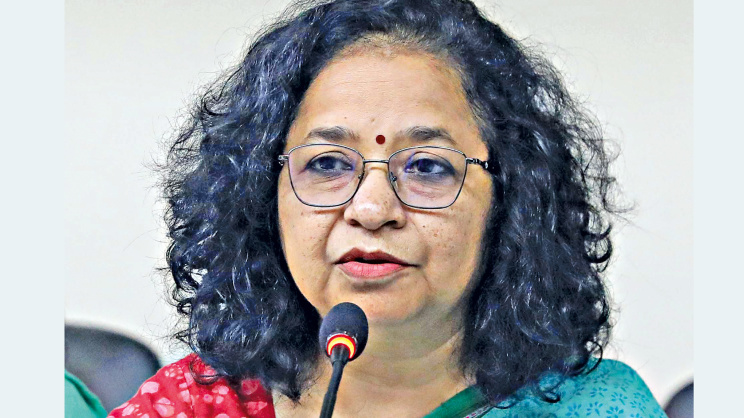
Banasree Mitra Neogi
Director, Rights and Governance
Manusher Jonno Foundation
Translating comprehensive national policies into transformative action requires overcoming structural, institutional, and financing challenges. True climate justice cannot be achieved without feminist climate justice. Hence, developing a context-specific feminist climate justice paper that tackles root causes like patriarchal social norms is essential. Furthermore, protecting human rights and entitlements in climate-vulnerable coastal regions, hills, and chars must be prioritised over one-time service delivery. Addressing the 10-to-15-year gap in recognising unpaid care work and utilising disaggregated intersectional data remains vital.
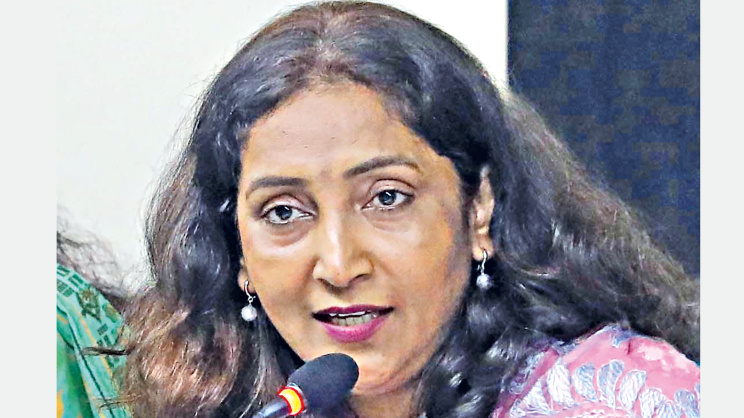
Mousumi Pervin
Senior Climate Change Officer
Asian Development Bank
Climate intersectionality directly influences vulnerability, as evidenced historically during the 1991 super cyclone, when women accounted for 31% of the death toll, and children made up 26%. To minimise these systemic gaps, financial empowerment remains key. Bangladesh has pioneered advanced frameworks, becoming the first country to approve the Locally Led Adaptation Framework alongside a location-specific Climate Vulnerability Index. However, maximising these policies requires addressing database gaps to ensure social safety nets accurately reach vulnerable, female-headed households. Moreover, equipping women with specialised skills for green jobs and improving urban services for climate migrants is essential to ensure long-term resilience. Urban services have to be well equipped with basic minimum services, with special focus on violence against women.
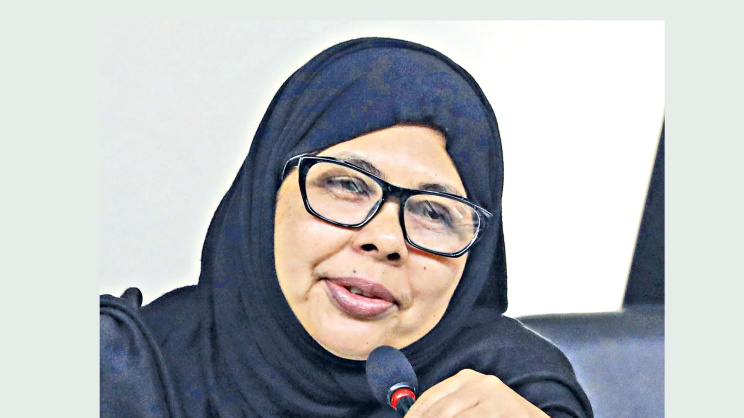
Afshana Choudhury
Head, Centre for Entrepreneurship Development (CED)
BRAC University
Experience from the field shows that women-led climate enterprises remain limited in climate-vulnerable areas, while the lack of reliable data continues to be a major challenge. Around 700 women entrepreneurs were identified, many operating home-based businesses with limited documentation. Consequently, accessing green finance remains difficult because conventional risk assessment methods fail to reflect their realities. To address this, financial institutions should adopt more inclusive assessment approaches. At the same time, providing practical training in financial management and enterprise development is crucial. Offering tailored learning materials, advisory support, and localised solutions will strengthen these businesses across different climate-prone regions.
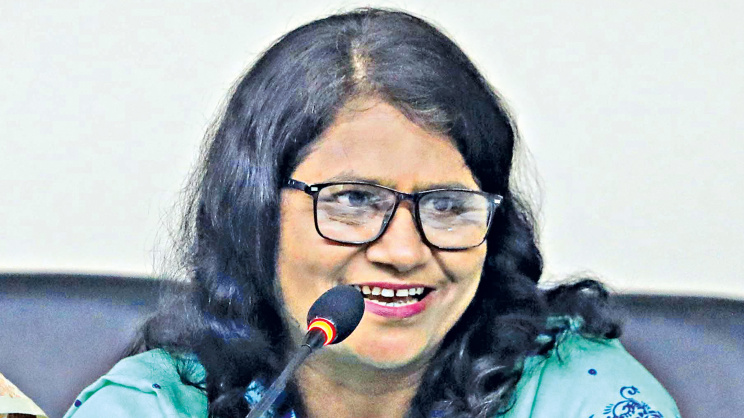
Farida Easmin
Executive Director
Nari Associate for Revival and Initiative
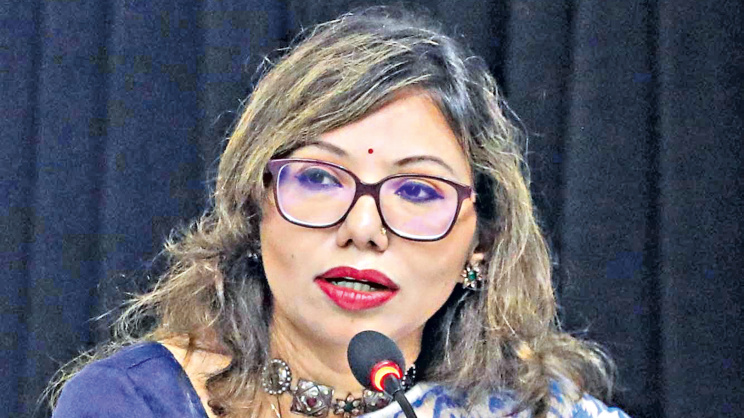
Strong national climate and gender policies need more effective implementation at the community level. While women-led community organisations operate across various districts, local government departments still require training on gender-responsive budgeting and Local Adaptation Plans of Action (LAPA). Impressively, a modest investment of BDT 4 lac successfully supported our 44 gender-sensitive community schemes, demonstrating significant local benefits. Therefore, greater investment in women’s leadership, renewable energy, climate-resilient agriculture, and cleaner cooking technologies is essential. Strengthening local administrative capacity to implement LAPA will ensure that national policies deliver meaningful, long-term results at the grassroots level.
Shamim Banu Shanti
Deputy Secretary
Finance Division, Ministry of Finance
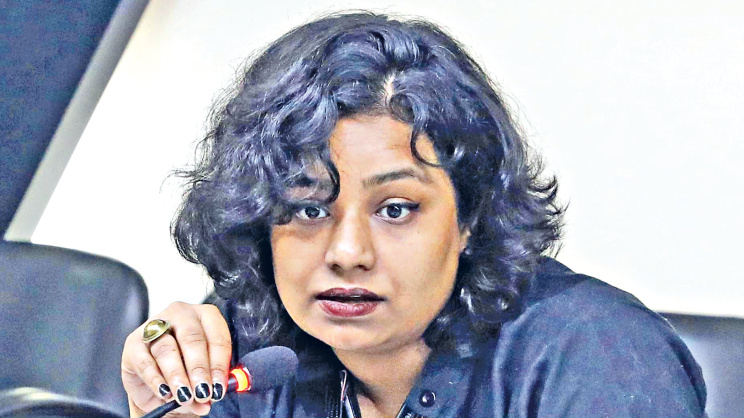
Bangladesh has been publishing a climate budget report since 2018, covering 25 climate-related ministries, with plans to expand it further because climate action is a cross-cutting issue. However, meeting the goals of the NAP and NDC requires addressing an annual financing gap of USD 20.1 billion. Currently, more than 70% of climate finance comes from domestic resources, while around 30% comes from external financing, mostly loans, creating additional fiscal pressure. Therefore, blended finance, insurance, and public-private partnerships should be explored to diversify funding, while stronger inter-ministerial coordination remains essential to effectively mainstream gender and climate commitments across all development priorities. Care responsibilities during disasters and health issues can’t be overlooked, while policies are there, but popularisation of those policies is important for implementation. The Ministry of Women and Children Affairs and the Ministry of Environment, Forest and Climate Change have the responsibility to track the implementation and mobilise other ministries, including the Finance Division, the Ministry of Public Administration and the Ministry of Home Affairs.
Anika T Karim
Director, Climate Action and Knowledge Management
Bonhishikha - Unlearn Gender
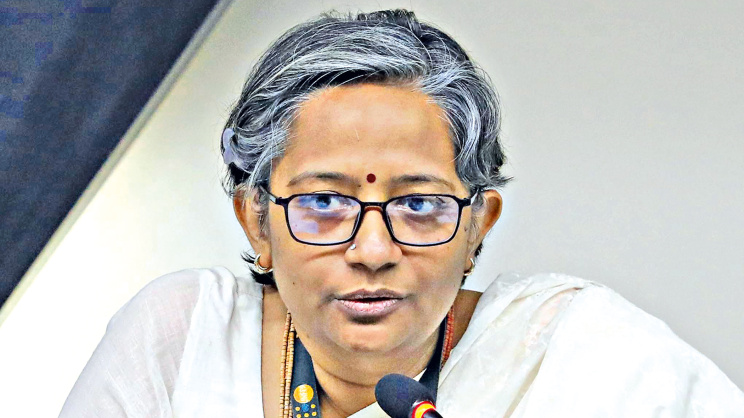
Achieving transformative budgeting and systems requires expanding intersectionality to include gender-diverse individuals, indigenous groups, persons with disabilities, and informal workers. Rather than focusing solely on quantitative milestones, representation must shift toward dismantling the structural systems that reproduce oppression. Specifically, addressing root causes, such as expanding land ownership rights, increasing decision-making power, and integrating climate impacts on unpaid care work, remains central to future programming. Furthermore, moving from checklist participation to measuring actual leadership and direct control over resources is vital. Sensitising power holders and aligning actions with the Belém Action Plan will ensure financial allocations foster genuine, systemic transformation.
Rumana Khan
GBV Cluster Coordinator
United Nations Population Fund
 For all latest news, follow The Daily Star's Google News channel.
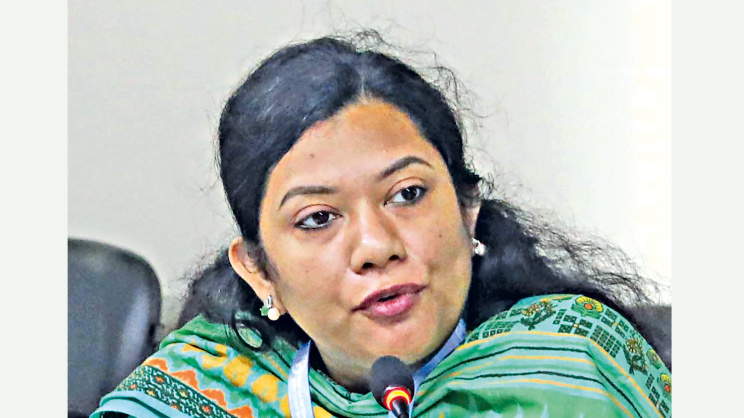
 Bridging the gap between policy documents and ground realities requires establishing robust accountability within climate emergency and gender-based violence risk mitigation frameworks. Involving localised grassroots civil society organisations directly in parliamentary standing committees and national decision-making processes remains an operational necessity. Furthermore, administrative continuity within institutional coordination platforms must be strengthened to avoid fragmented advocacy. A pivotal strategy involves dismantling superficial programming silos that separate climate resilience, disaster risk reduction, and protection sectors. Therefore, integrating these initiatives will foster holistic programming that efficiently tackles interconnected community vulnerabilities, addresses health risks among marginalised populations, and optimises development funds for comprehensive local adaptation.
Tasnuva Zaman
Gender Focal Point
FAO Bangladesh
Women farmers produce a substantial share of Bangladesh’s food and contribute to crop production, livestock, fisheries, seed preservation, post-harvest management, and household nutrition. However, climate change affects women and men differently, requiring policies that address women’s specific needs. Therefore, climate and agricultural policies should recognise women as leaders of adaptation and ensure climate finance reaches women managing risks at the community level. Early warning systems should be accessible to both women and men. Furthermore, NDC implementation should expand women’s access to clean energy, water, mechanisation, and social protection. As 2026 is the International Year of Women Farmers, stronger monitoring and sex-disaggregated data can help turn commitments into action.
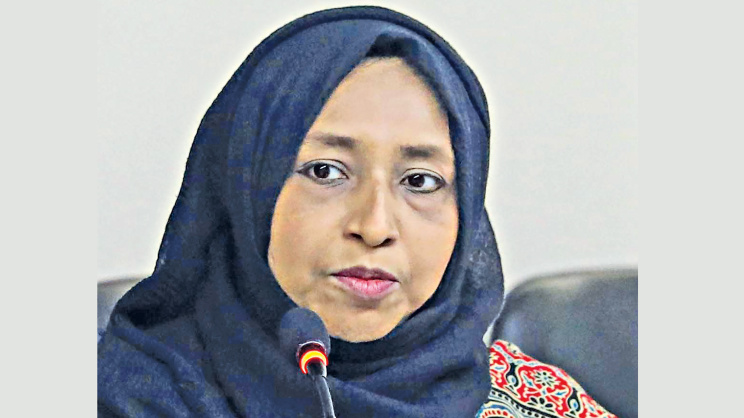
Foyzun Nahar
Programme Policy Officer (Gender, Protection, Inclusion & PSEA)
World Food Programme
Climate action should better address the intersection of gender, disability, and protection to ensure no one is left behind. Existing policies already provide strong guidance, but greater focus is needed on effective implementation at the community level. Insights from discussions with more than 400 women across northern, southern, and Chattogram Hill Tracts areas highlighted the importance of engaging men in supporting women’s leadership and reducing unpaid care burdens. Furthermore, improving data interoperability among ministries can strengthen evidence-based planning. Finally, accessible government-led complaint and feedback mechanisms, including 24/7 multi-channel services, can enhance accountability and ensure vulnerable women receive timely support.
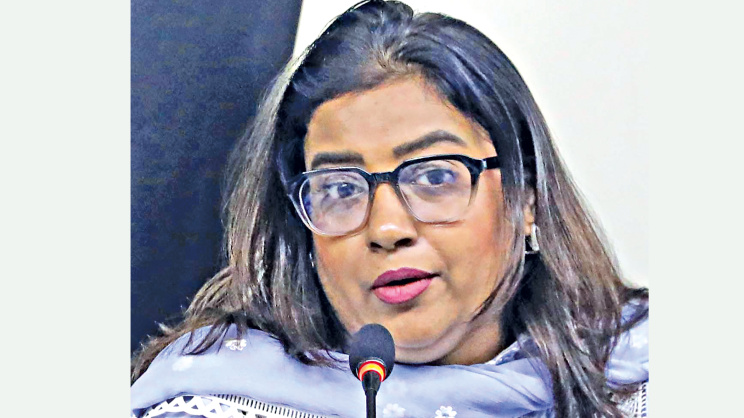
Farhana Urmee
Communication and Knowledge Management Adviser (Bangladesh, Pakistan)
IFAD
Recent field experiences showed that gender gaps still exist in agricultural employment, where women agricultural labourers earned around Tk 300 per day compared to Tk 500–600 for men doing similar work. Therefore, greater efforts are needed to strengthen gender awareness and promote equal opportunities within programmes and institutions. At the same time, several successful initiatives are already supporting rural women through access to finance, advisory services, capacity building, and climate-smart agriculture. Going forward, regular assessment of what works well, followed by scaling up and replicating effective models across government programmes, can accelerate women’s empowerment and strengthen climate resilience.
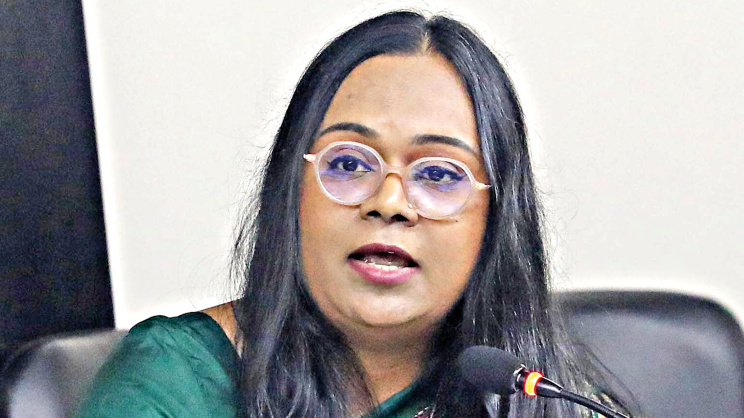
Tamanna Binte Rahman
Gender Expert
AFD Bangladesh
Climate change affects women and girls disproportionately, yet their leadership and local knowledge are essential for effective climate action and resilience. Therefore, climate policies and finance should be gender-responsive, inclusive, and accessible to the most vulnerable communities. AFD has committed a €300 million climate policy loan programme in Bangladesh and launched technical assistance with UN Women to support implementation of the Climate Change and Gender Action Plan by strengthening institutions, accountability, and inclusive climate finance. Furthermore, stronger collaboration among government, development partners, civil society, and communities can help turn commitments into practical action and deliver more equitable, resilient, and sustainable climate outcomes.
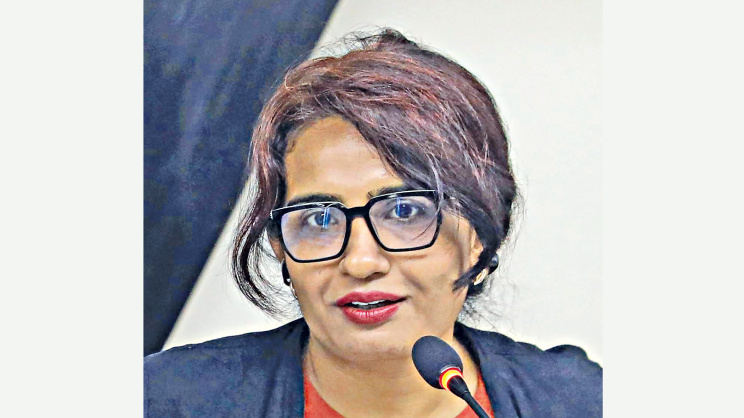
Shirin Sultana Lira
Program Manager (Governance, Climate Change & Environment)
Embassy of Switzerland in Bangladesh
Globally, women spend 250 million hours per day collecting water, highlighting the urgent need for recognising unpaid labour. While comprehensive climate policies exist, a critical implementation gap remains on the ground. Consequently, amid a shrinking development aid crisis, shifting focus from policy development to systemic change is essential. This requires building sustainable, government-integrated models rather than working in silos. Furthermore, prioritising localisation by empowering local actors and government bodies is crucial including creating a more collaborative approach. Ultimately, fostering collaboration with the private sector for resources and academia for mindset shifts will drive innovative, impactful climate action directly to the communities needing it most.

Jannis Hussain
Deputy Head of Cooperation (First Secretary)
German Embassy Dhaka
The German Embassy follows a feminist development policy, based on rights, representation, and resources, offering useful lessons for turning gender commitments into action, which is similar to UN Women. Women’s rights and the needs of marginalised groups should be integrated across all development work, while resources must reach those most affected by climate impacts. Equal representation in decision-making is both a matter of justice and a way to achieve more sustainable results. To support implementation, Germany has introduced gender markers across its development projects, requiring every initiative to consider its contribution to gender equality, including in sectors such as infrastructure and renewable energy. At the same time, stronger gender-responsive and inclusive data systems remain essential for tracking progress, improving accountability, and guiding more effective climate action.
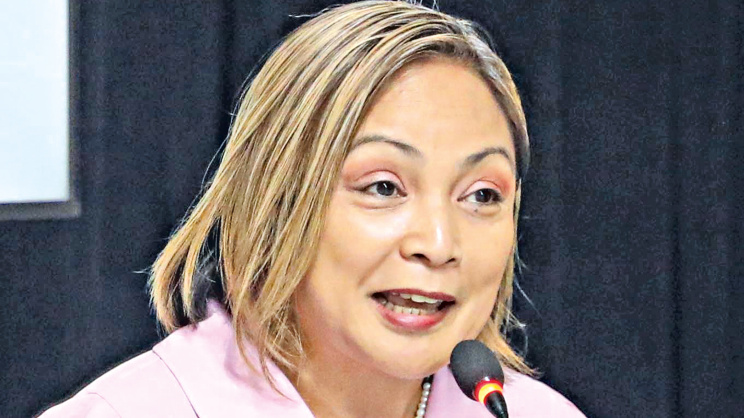
Nayoka Martinez Bäckström
First Secretary & Deputy Head of Development Cooperation
Embassy of Sweden in Bangladesh
Financing women’s climate initiatives remains challenging due to their size and complexity, highlighting the need to influence major funding frameworks rather than relying on standalone programs. For instance, the National Adaptation Plan and Nationally Determined Contributions offer significant leverage to integrate gender-transformative indicators into mega-initiatives like the Economic Relations Division and the Bangladesh Climate Development Partnership. Additionally, as co-chairs of the Green Climate Fund, advocating for regionalisation will bring resources closer to communities through locally led adaptation. Utilising rigorous gender-transformative analysis and evidence-based financing is essential to transition from small-scale projects toward scalable, systemic national solutions.
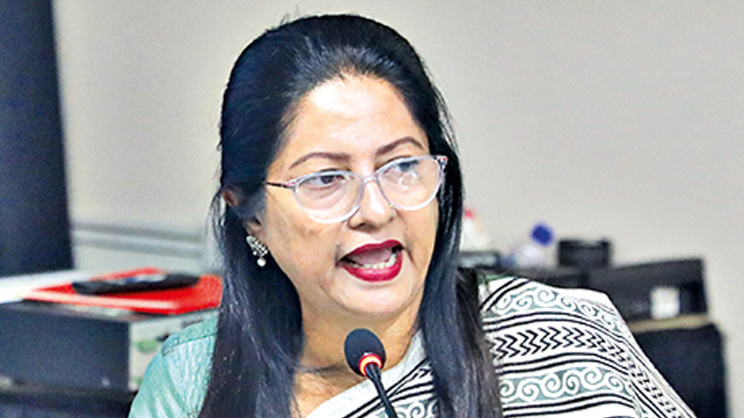
Dilruba Haider
Programme Specialist
Disaster Risk Reduction, Climate Change, and Humanitarian Actions
UN Women
Effective implementation of the NDC and NAP requires strong coordination across all relevant ministries, as climate action is a shared responsibility. At the same time, better tracking of climate finance and stronger gender-disaggregated, interoperable data are essential for informed policymaking and investment decisions. The importance of operationalising the Climate Change Gender Action Plan, strengthening access to finance for women, and ensuring that climate investments benefit women, adolescent girls, and other vulnerable communities, including gender-diverse populations, was also emphasised as a focus after SB64 in Bonn. Furthermore, building institutional capacity, improving knowledge, and translating strong national policies into practical action will be key to achieving inclusive and gender-responsive climate resilience.
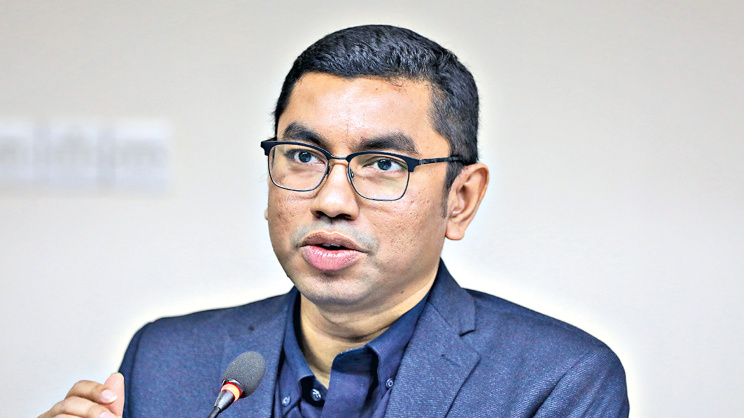
Tanjim Ferdous
Head of Strategic Partnerships
The Daily Star (Moderator of the Session)
Bangladesh continues to face severe climate impacts, including floods, cyclones, salinity, river erosion, and displacement, making climate change not only an environmental challenge but also an issue of justice, equality, and human rights. Women, girls, indigenous peoples, persons with disabilities, and other marginalised groups are disproportionately affected, highlighting the need for more inclusive climate action. This roundtable aimed to explore how Bangladesh can strengthen gender-responsive climate governance through a feminist climate justice approach and identify practical recommendations to advance inclusive leadership and more effective national climate action.
Umme Salma Mukta,
Senior Research Manager,
Bangladesh Centre for Communication Programs, and
Md Liakath Ali,
Director, CCP, UDP, and DRMP,
BRAC
Also discussed at the roundtable.
Comments