


‘If I can achieve seventy percent of my ideas, it is a blessing’


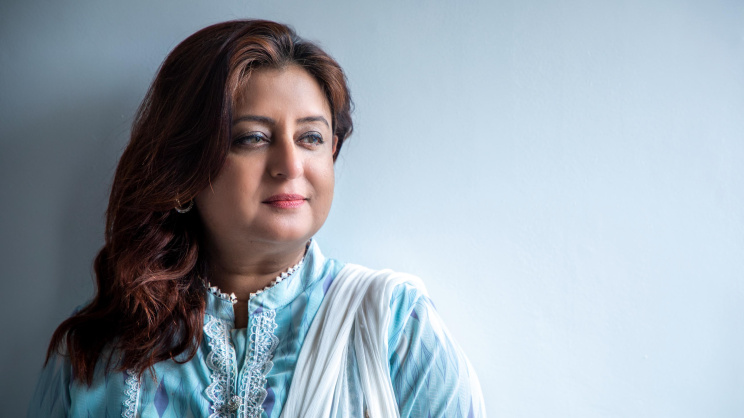
Pop music in Bangladesh continues to evolve, with artistes constantly experimenting across genres. However, Alif Alauddin has always identified herself as a pop artiste and has chosen to stay within that space, even though the industry encourages constant change.
“Pop isn’t just a genre I experiment with; it is who I am at my core,” she said when asked about her place in this changing landscape. For many artistes, especially women, remaining within one genre risks being labelled predictable. The expectation is to constantly transform, to prove elasticity. Instead of adjusting herself to fit every new trend, she prefers to grow at her own pace.

This approach continues in her recent work, including the 2025 remix of "Bondhu Tin Din", which may appear new, but actually began nearly a decade ago. She first reimagined the song in 2016 with her husband, Kazi Faisal Ahmed, when her father, the late maestro Alauddin Ali, was still alive.
“I vividly remember the discussions we had about giving the song a fresh perspective while still honouring its soul,” she recalled. They were not trying to remake a hit. They wanted to keep the song alive while holding on to its original feeling.
The response to the remix reminded her of something she has always felt. Good songs do not grow old; they simply find new listeners.
Another project connected to her father’s music is also in progress. Fuad Al Muqtadir is currently working on a new interpretation of one of Alauddin Ali’s patriotic anthems. The news has already drawn attention, and Alif responded with hope.
“With his unique sense of groove and musical poise, I’m hopeful he will present something that connects with the younger generation while honouring the original spirit,” she said, without sharing further details ahead of the release.
Her fourth solo album, slated for release after Eid, is her first major project following a kidney transplant. Healing after a major surgery affects every part of life. It naturally influenced the tone of this album. The album includes two tribute tracks; one dedicated to her parents, another to Ayub Bachchu and Kawsar Ahmed Chowdhury. The remaining songs are originals, written by her and composed by Kazi Faisal Ahmed.
“The journey shaped the spirit of the project,” she said. Her health struggles made her approach music more honestly. The album explores different styles and lets her create based on what she truly feels.
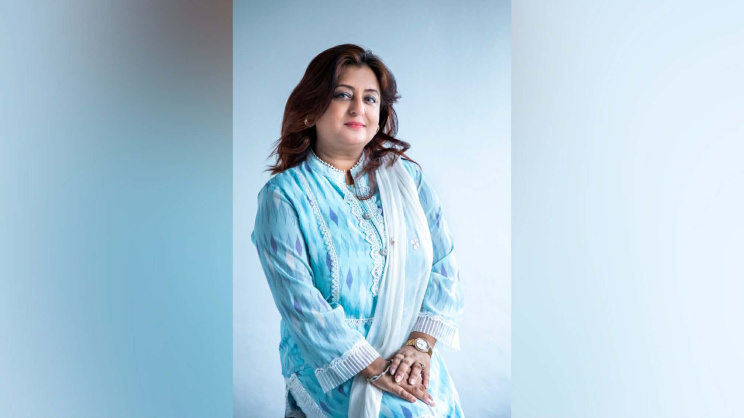
Revisiting "Tumi Chole Gecho" formed part of that reckoning. Originally sung by her mother, Salma Ali, and written and composed by her father for Bangladesh Television, the song is inseparable from memory. Singing it now feels both personal and emotional. “I may never sing it the way my mother did,” she admitted. The rearrangement by Ahmed preserves its emotional depth while situating it within a contemporary soundscape.
Beyond solo work, her band Pentagon is preparing an EP expected around Eid-ul-Azha. Parallel to that, she is developing her own show and other music-oriented projects.
In addition to her music, she also takes on other responsibilities. The singer is deeply involved with Bangladesh Lyricist, Composers & Performers Society (BLCPS), the country’s music collective management organisation. Artist royalty collection and rights management sit at the centre of that effort. It may not be the most visible work, but it is important. It involves paperwork, processes, and long-term effort. But it helps fix a problem that many musicians have faced for years.
Looking ahead, “My first and foremost prayer is to remain in good health,” she said. If that remains steady, she plans to focus deeply on music and continue creating. “Even if I can achieve seventy percent of my ideas, I would consider that a blessing,” Alif noted.
 For all latest news, follow The Daily Star's Google News channel.
Comments