


Al Pacino, De Niro pay tribute to Robert Duvall
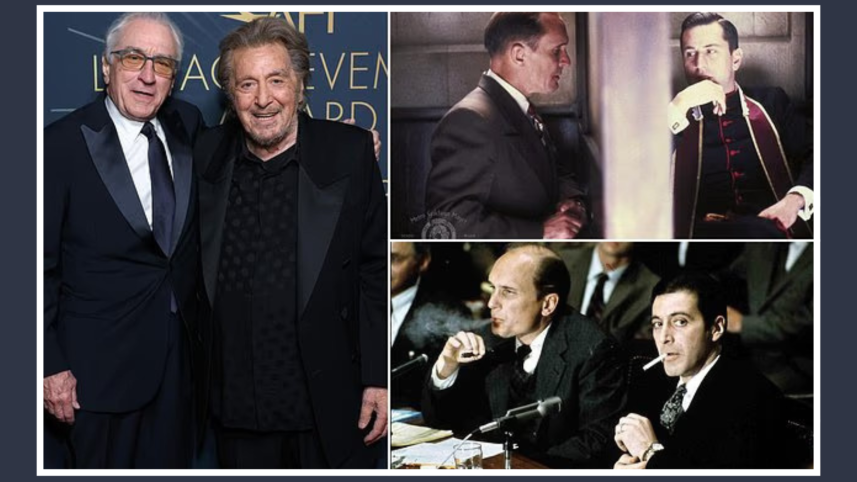
Robert Duvall, one of American cinema’s most disciplined and quietly commanding actors, has died at 95. Tributes flowed swiftly across Hollywood, led by his “The Godfather” co-stars Al Pacino and Robert De Niro.
“It was an honor to have worked with Robert Duvall,” Pacino said. “He was a born actor as they say, his connection with it, his understanding and his phenomenal gift will always be remembered. I will miss him.”
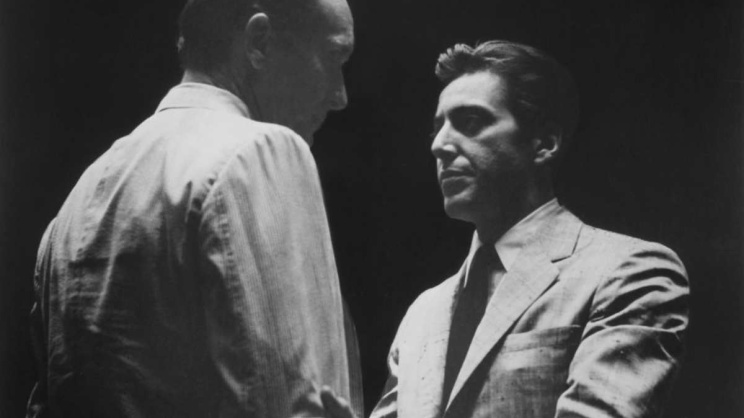
Duvall played Tom Hagen, the cool-headed consigliere to the Corleone family, opposite Pacino’s Michael Corleone in “The Godfather” and “The Godfather Part II”. His restrained performance — measured, intelligent, unsentimental — became a model for screen acting in an era of operatic crime sagas.
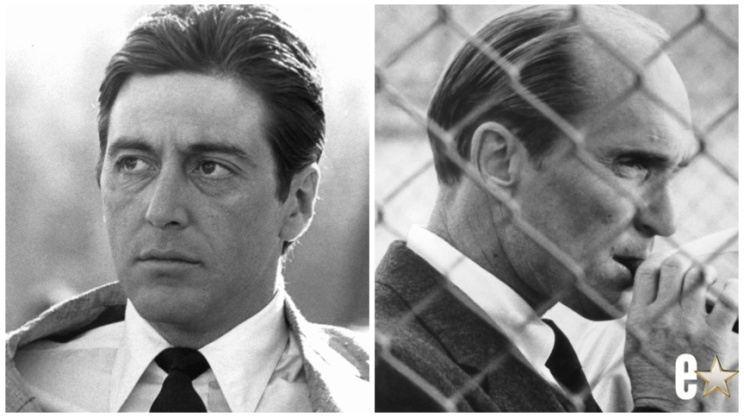
De Niro, who portrayed the young Vito Corleone in “The Godfather: Part II,” wrote simply, “God bless Bobby. I hope I can live till I’m 95. May he rest in peace.”
Duvall’s career spanned more than six decades, marked by roles that favoured interiority over theatrics. From the haunted Lieutenant Colonel Kilgore in “Apocalypse Now” to the broken country singer in “Tender Mercies,” for which he won the Academy Award for Best Actor, Duvall built a body of work rooted in moral tension and human frailty. His credits also include “To Kill a Mockingbird,” “The Apostle,” and the television epic “Lonesome Dove.”

Viola Davis, who appeared with him in the 2018 thriller “Widows,” wrote on Instagram Threads that it was an “honor” to share the screen with him. “I was in awe,” she added, praising his “towering portrayals of men who were both quiet and dominating in their humanness.” She concluded, “Greatness never dies. It stays… as a gift. Rest well, sir. Your name will be spoken… May flights of angels sing thee to thy rest.”
Adam Sandler, Duvall’s co-star in the 2022 sports drama “Hustle,” also offered a tribute. “Such a great man to talk to and laugh with. Loved him so much. We all did. So many movies to choose from that were legendary. Watch them when you can. Sending his wife Luciana and all his family and friends our condolences.”
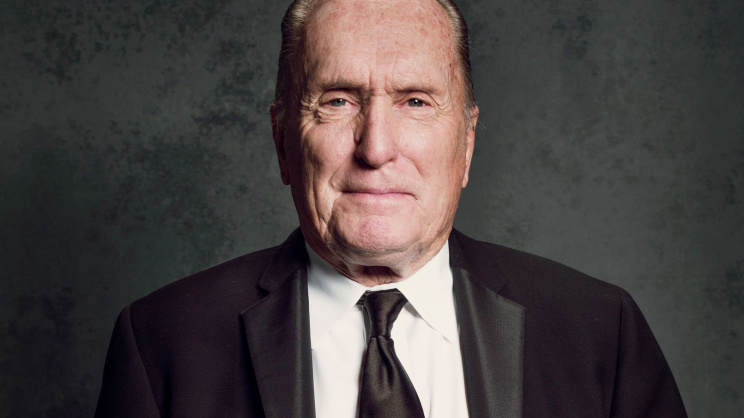
Unlike many contemporaries, Duvall avoided celebrity spectacle. He preferred spare interviews and rigorous preparation. Directors trusted him with characters who could smoulder rather than shout. Audiences believed him.
In the pantheon of postwar American actors — alongside Pacino and De Niro — Duvall stood apart for his refusal to overplay. He understood that stillness can be more unsettling than fury. His performances endure not because they were loud, but because they were true.
Robert Duvall leaves behind a legacy etched into the grammar of modern cinema.
 For all latest news, follow The Daily Star's Google News channel.
Comments