


WHO again warns about immunity
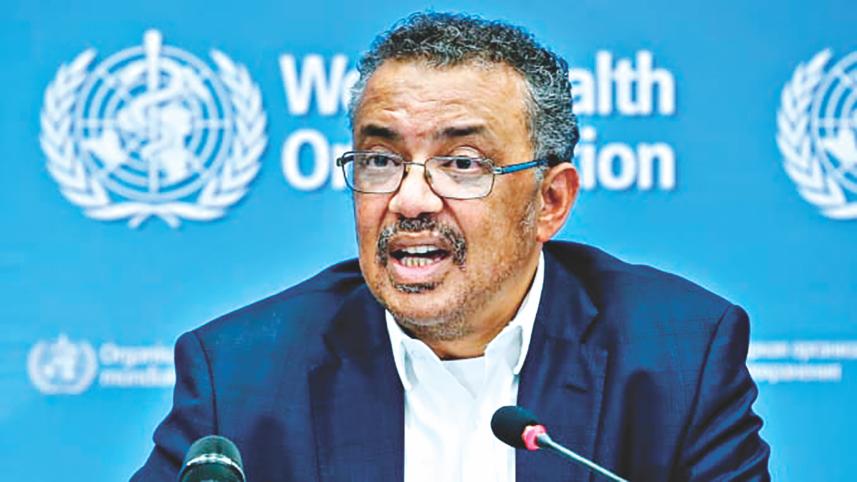
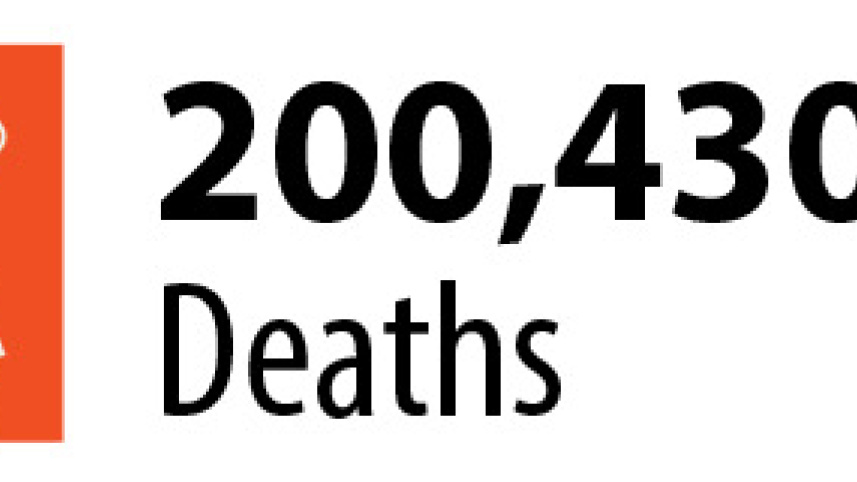
The World Health Organization yesterday warned recovering from coronavirus may not protect people from reinfection as the death toll from the pandemic crossed 200,000.
 For all latest news, follow The Daily Star's Google News channel.
 Governments across the world are struggling to limit the economic devastation unleashed by the virus, which has infected nearly 2.8 million people and left half of humanity under some form of lockdown.
The United Nations has joined world leaders in a push to speed up development of a vaccine, but effective treatments for COVID-19, the disease caused by coronavirus, are still far off.
But with signs the disease is peaking in the US and Europe, governments are starting to ease restrictions, weighing the need for economic recovery against cautions that lifting them too soon risks a second wave of infections.
The WHO yesterday warned that there is still no evidence that people who test positive for the new coronavirus and recover are immunised and protected against reinfection.
The warning came as some governments study measures such as "immunity passports" or documents for those who have recovered as one way to get people back to work after weeks of economic shutdown.
"There is currently no evidence that people who have recovered from #COVID19 and have antibodies are protected from a second infection," WHO said in a statement.
"People who assume that they are immune to a second infection because they have received a positive test result may ignore public health advice," it said.
On Friday, UN Secretary-General Antonio Guterres asked for international organisations, world leaders and the private sector to join the effort to speed up development and distribution of a vaccine.
Any vaccine should be safe, affordable and available to all, Guterres said at a virtual meeting, which was attended by the leaders of Germany and France.
Absent though were the leaders of China, where the virus first emerged late last year, and the United States, which has accused the WHO of not warning quickly enough about the original outbreak.
The spread of COVID-19 is increasing other medical risks as well with the WHO warning nearly 400,000 more people could die from malaria because of disruption to the supply of mosquito nets and medicines.
Saturday marked World Malaria Day, a disease which the WHO said could kill around 770,000 this year, or "twice as much as in 2018".
With more than four billion people still on lockdown or stay-at-home orders, governments are debating how to lift restrictions without causing a spike in infections and how to revive economies battered by weeks of closure.
The daily death toll in Western countries seems to be falling, a sign hopeful epidemiologists had been looking for, but the WHO has warned that other nations are still in the early stages of the fight.
Global COVID-19 deaths have climbed past 197,000, according to an AFP tally, but new reported cases appear to have leveled off at about 80,000 a day.
The United States is the hardest-hit country by far in the pandemic, recording more than 51,500 deaths and over 890,000 infections.
Spain's daily virus toll -- the third highest fatality rate in the world -- rose slightly on Saturday with 378 people dying, a day after the country registered its lowest number of fatalities in four weeks.
The unprecedented situation has left the world staring at its worst downturn since the Great Depression, and world leaders are trying to balance public health concerns with economic needs.
Beyond the US, other countries have already started loosening restrictions.
Italy announced plans Saturday to set price limits on face masks and ramp up antibody testing as it nears the end of the world's longest active national coronavirus lockdown.
Italians are awaiting a decision this weekend about which of its restrictions will be lifted and they will probably be allowed to leave their homes freely for the first time since March 9 by early May.
Sri Lanka said it would lift a nationwide curfew on Monday after more than five weeks, as Belgium joined other European nations to announce an easing from mid-May.
The Indian government also allowed a limited reopening of shops in neighbourhoods and residential areas from yesterday, more than a month after the nation went into a lockdown.
In neighbouring Pakistan, the government extended the nationwide lockdown till May 9. However, it is switching to a so-called "smart lockdown" from yesterday for targeted tracking and tracing of cases while allowing some industrial and commercial activities to begin under safety guidelines.
In France, which will be on lockdown until May 11, residents still confined to home have taken to praising health workers and protesting their frustrations with officials on painted banners hung outside their windows.
"Thank you to the caregivers, shame on the leaders" read one such banner hanging outside a building in a Paris suburb.
Comments