


New guidance backed: GLP-1 therapies in fight against global obesity
The World Health Organisation (WHO) released its first guideline on the use of Glucagon-Like Peptide-1 (GLP-1) therapies to address obesity, a growing global health challenge affecting more than 1 billion people worldwide. Obesity affected every country and was associated with 3.7 million deaths globally in 2024. Without decisive action, the number of people living with obesity was projected to double by 2030.
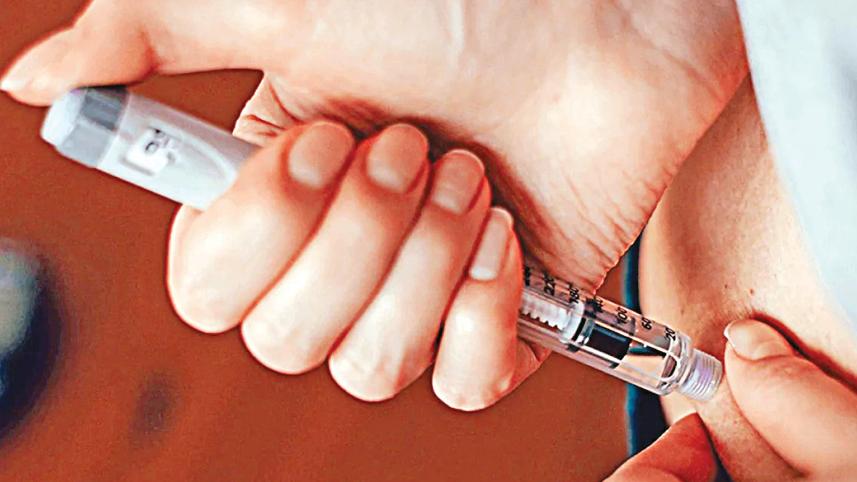
GLP-1 therapy is usually given as a small injection under the skin, taken once daily or once weekly, depending on the medicine, and some newer forms are available as a daily tablet. The new guideline issued conditional recommendations for using these therapies to treat obesity as a chronic, relapsing disease as part of a comprehensive approach that included healthy diets, regular physical activity and professional health support.

The guideline made two key conditional recommendations. GLP-1 therapies could be used for the long-term treatment of obesity in adults, excluding pregnant women, although the recommendation was conditional due to limited long-term data, high costs, health-system readiness and equity concerns. Intensive behavioural interventions, including structured diet and physical activity programmes, could also be offered alongside medication to improve outcomes.
WHO emphasised that obesity was a complex disease driving noncommunicable conditions such as cardiovascular disease, type 2 diabetes and certain cancers, and contributing to poorer outcomes from infectious diseases.
Obesity is not only an individual concern but also a societal challenge that requires multisectoral action. Addressing obesity requires a fundamental reorientation of current approaches to a comprehensive strategy.
Source: World Health Organisation
 For all latest news, follow The Daily Star's Google News channel.
Comments