


Blood test: Predicting Alzheimer’s years before symptoms
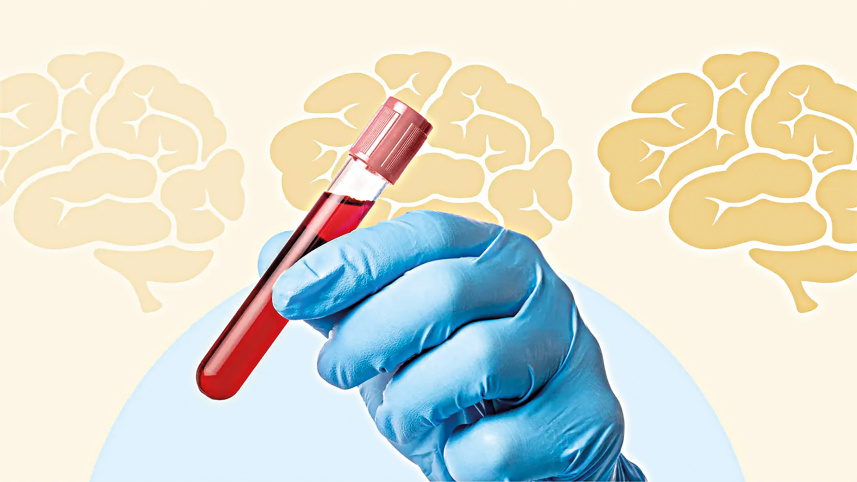
A simple blood test might one day act as a molecular ‘clock’ to predict not only whether someone will develop Alzheimer’s disease but also when symptoms could begin, according to a Nature report.
Researchers are exploring how levels of a protein in the blood — specifically p‑tau217, a marker linked to Alzheimer’s pathology — rise steadily as the disease develops long before cognitive decline becomes apparent. By analysing these changes in repeated blood samples, scientists can now create models that estimate the likely age of symptom onset within a three‑to‑four‑year window.

This approach represents a significant shift from traditional diagnostic tools such as PET brain scans or cerebrospinal fluid tests, which are costly and not widely available. A predictive blood measure could be cheaper, more accessible and used much earlier, potentially years before memory loss or other clinical symptoms emerge.
According to researchers, understanding when symptoms are likely to begin — not just if someone is at risk — could reshape both clinical care and research. For example, it could allow doctors to identify people who are most likely to benefit from early interventions and could dramatically improve how clinical trials for treatments are designed, focusing on people before the disease takes hold.
While further validation and refinement are required before this test can be used in routine clinical practice, the development marks a promising step toward earlier, more personalised prediction of Alzheimer’s disease.
 For all latest news, follow The Daily Star's Google News channel.
Comments