


Are we eating plastic?

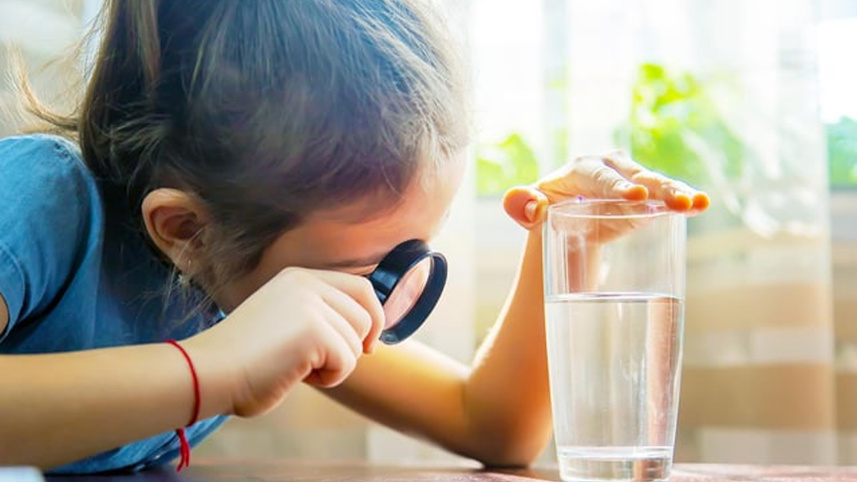
Microplastics are becoming an unwelcome guest at our dining tables. These tiny plastic fragments have been found in drinking water, seafood, salt, fruits, vegetables, and even everyday packaged foods, raising growing concerns among health experts worldwide.
While invisible to the naked eye, these particles may enter the body through what we eat and drink. Scientists are still uncovering their full effects, but early findings suggest they could disturb the body’s natural balance and contribute to a range of health concerns. Researchers worry that long-term exposure may affect digestion, weaken the body’s defence system, and place added strain on vital organs.

The problem begins with the widespread use of plastic products. Over time, bottles, food containers, packaging materials and discarded waste break down into smaller pieces that find their way into rivers, oceans, soil and eventually the food chain.
In countries like Bangladesh, where bottled drinks, packaged snacks and plastic use continue to rise, reducing exposure is becoming increasingly important. Experts recommend choosing fresh foods when possible, limiting the use of single-use plastics, avoiding heating food in plastic containers, and using reusable glass or steel alternatives.
Although more research is needed, one message is already clear: the plastic pollution crisis is no longer just an environmental issue. It may also be quietly shaping the future of human health, one meal and one sip at a time.
E-mail: sumaiya.khaled@thedailystar.net
 For all latest news, follow The Daily Star's Google News channel.
Comments