


Stopping measles before it spreads
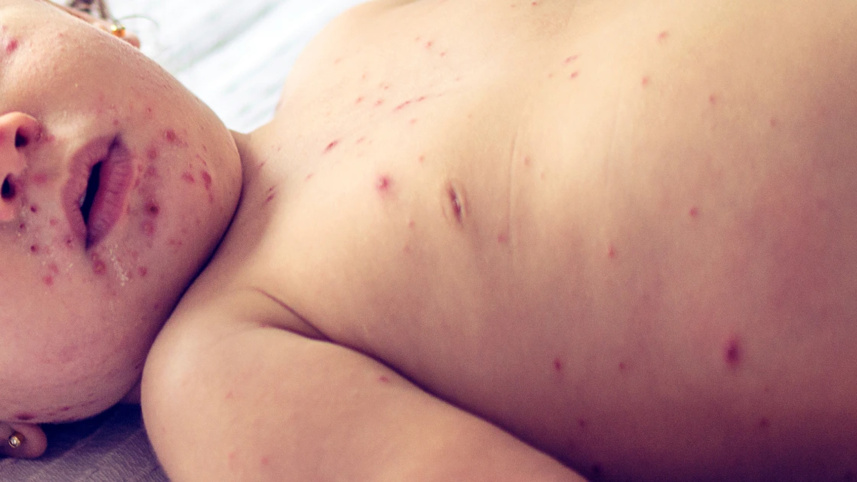
A child develops a fever, starts coughing, and complains of a runny nose. In many Bangladeshi homes, these symptoms are often brushed aside as a seasonal illness. But when a red rash begins to spread across the body, what seemed harmless may suddenly reveal a far more serious threat: measles.
Bangladesh is once again witnessing a rise in measles cases, bringing renewed attention to a disease many assume belongs to the past. While commonly associated with childhood, measles remains one of the most infectious illnesses and can spread rapidly when communities are not adequately protected. The illness often begins with a high fever, cough, watery eyes, and a runny nose. Because these signs closely resemble the common cold, families may not immediately recognise the danger. A few days later, tiny white spots may appear inside the mouth before the tell-tale rash emerges. By then, the infection may already have spread to others. The effects of measles can extend far beyond a rash. Some children develop severe chest infections or persistent diarrhoea, while others face more serious complications that can leave lasting damage. The disease can also weaken the body’s natural defences, making children more vulnerable to other illnesses even after they appear to have recovered.

Young children who are poorly nourished are especially at risk. Ensuring a balanced diet and access to essential nutrients can help reduce the severity of illness and improve recovery. During outbreaks, simple measures such as avoiding crowded places when symptoms appear, practising good hygiene, and seeking medical advice early can help limit transmission. Yet the most powerful protection remains vaccination. Two doses of the combined measles vaccine offer strong defence against the disease and its complications. Unfortunately, delayed vaccinations, missed doses, and misinformation continue to leave gaps in protection, allowing outbreaks to gain momentum. High vaccination rates do more than safeguard individual children. They also help shield newborns, vulnerable individuals, and those who cannot receive vaccines themselves. This community-wide protection is essential in preventing the virus from finding new opportunities to spread.
The current rise in cases serves as a timely reminder that every missed vaccine and overlooked symptom matters. Bangladesh has made remarkable progress in protecting children’s health. Ensuring that measles remains a preventable disease, rather than a growing crisis, is a responsibility shared by families, communities, and health authorities alike.
The writer is a 4th year medical student with an interest in public health & awareness. E-mail: tasnimabida.30@gmail.com
 For all latest news, follow The Daily Star's Google News channel.
Comments