


A second chance after goodbye
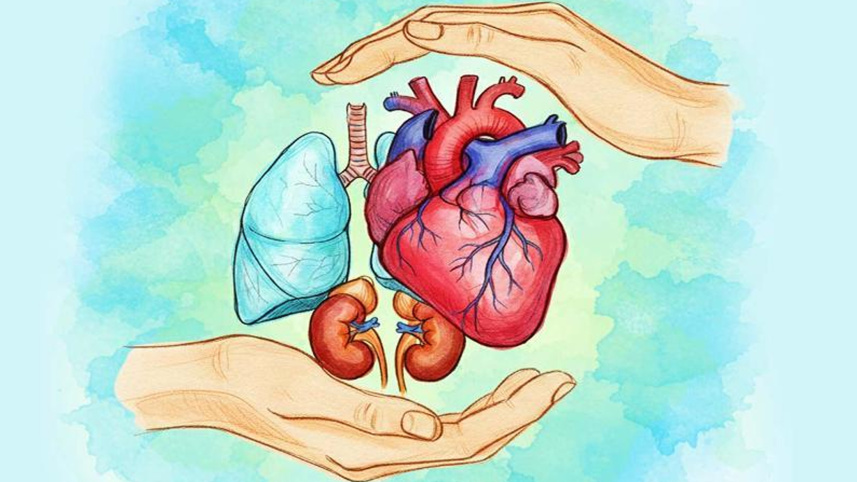
A second chance at life can begin with a decision made long before a hospital bed is needed. World Organ Donation Day, observed on 13 August, is a reminder that one person’s generosity can offer another family something priceless: more time.
Across the world, the need for donated organs continues to outpace supply. More than 173,000 major organ transplants were carried out in 2024, according to figures cited in the source material. Yet behind every successful transplant are many patients still waiting, often while their health steadily worsens.

For Bangladesh, the gap is particularly striking. In 2025, the country recorded 328 living organ donors, but no deceased donors. There were 326 kidney transplants and only two liver transplants using organs from living donors. This means patients remain heavily dependent on relatives and other living donors, leaving a vast, largely untapped opportunity for donation after death.
The obstacle is not simply medical. It is also deeply human. A 2021 survey of Bangladeshi adults found that only 35.8 per cent had adequate knowledge about organ donation, although 63.7 per cent viewed it positively. Just over one-third said they would be willing to donate their organs after death. Family objections, fear, health worries and religious concerns were among the reasons holding people back.
That gap between goodwill and action matters. Questions about burial, the body after death, religious acceptance and trust in the donation process cannot be brushed aside. They need clear, respectful answers from doctors, religious leaders and trusted community voices.
Bangladesh has already taken an important step. The Human Organ Transplantation Ordinance, 2025, widened the group of people who may donate while adding safeguards around voluntary and deceased donation and measures against organ trading. But a law on paper cannot create donors on its own.
What is needed now is a national conversation. Hospitals need trained teams, stronger facilities and transparent systems. Schools, universities, newsrooms and social media can help replace rumours with facts. Young people, especially, can turn awareness into family conversations that may one day save lives.
Organ donation is ultimately about what remains possible when one life ends or when a living donor chooses to help. A kidney, liver or other donated organ is more than a medical gift. For someone waiting, it can mean another birthday, another meal with family, another ordinary morning — and the extraordinary chance to live. That possibility deserves to be understood today.
The writer is a public health nutritionist; E-mail: abeda.mishu@gmail.com
 For all latest news, follow The Daily Star's Google News channel.
Comments