


Smoking does not stop at the lungs; your liver may be paying the price


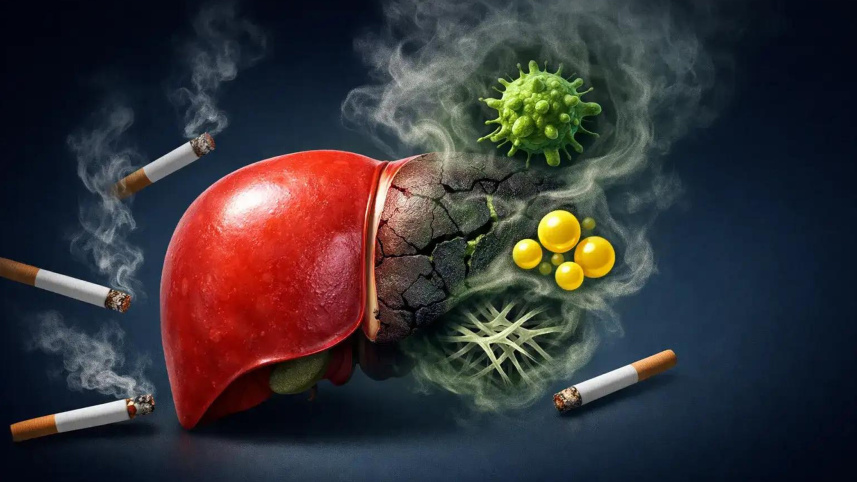
A cigarette may be burning in the hand, but some of its damage can unfold far from the lungs; in the liver. Smoking and fatty liver may seem like an unlikely pair, yet the source article warns that tobacco can make fat build-up in the liver more likely and worsen existing liver problems.
Fatty liver has become increasingly familiar in an age of rich food, excess weight and less physical activity. It is often associated only with alcohol, but that is only part of the picture. Fat can also collect in the liver in people who do not drink. Smoking is one everyday habit that may add to the burden.

The liver quietly performs vital work, including helping the body deal with harmful substances. Fatty liver develops when too much fat collects inside it. The worrying part is that the condition may cause no obvious warning signs at first. Someone can therefore feel perfectly well while changes are already taking place. If the problem continues and becomes severe, it may eventually lead to permanent liver damage or liver cancer.
So how can smoke reach an organ tucked away inside the abdomen?
Cigarettes contain thousands of harmful substances. Once inhaled, these do not simply stay in the lungs. They enter the body and can contribute to irritation and damage in the liver. Smoking can also make it harder for the body to manage sugar properly. As sugar and fat levels become harder to control, more fat may collect in and around important organs, including the liver.
The danger may be greater for someone who already has fatty liver or another liver illness. The attached article notes that smoking can speed up worsening of liver disease and contribute to scarring. In other words, smoking may not always be the first cause of the problem, but it can become an unwelcome partner that pushes an already vulnerable liver towards greater harm.
The encouraging news is that everyday choices matter. Giving up smoking is one of the most important steps. A liver-friendly routine also means limiting oily, fatty and heavily processed foods, cutting back on excessive sweets, and choosing more vegetables and fresh fruit. Maintaining a healthy weight through regular movement or exercise is equally important. Alcohol should also be avoided, particularly when liver health is already a concern.
Because fatty liver can remain silent, routine health checks may help identify problems before complications develop. People who smoke, carry excess weight or already know they have fatty liver should not wait for pain or obvious illness before paying attention to their liver.
We often picture smoking damage as a pair of diseased lungs. That image is incomplete. The liver may suffer quietly, without a cough, breathlessness or an early alarm. The damage can be hidden until disease becomes advanced. Protecting it begins with recognising that every cigarette has consequences beyond the chest — and quitting may be one of the strongest gifts you can give this hardworking, silent organ.
The writers are visiting professor of internal medicine & respiratory medicine & Vice Chancellor at Rawalpindi Medical University, Rawalpindi, Punjab, Pakistan.
Email: mohammadrahmandr@gmail.com, drumarpk@yahoo.com
 For all latest news, follow The Daily Star's Google News channel.
Comments