What Bangladesh should ask before joining the Makkah Pact

Bangladesh is suffering the consequences of a Middle East war that continues to drag on, like many other countries dependent on imported energy. In June, QatarEnergy warned that it might ship only 20 of the 40 cargoes of liquefied natural gas (LNG) expected this year, and officials returned to buying gas through emergency tenders at higher prices. But this is only part of the story.
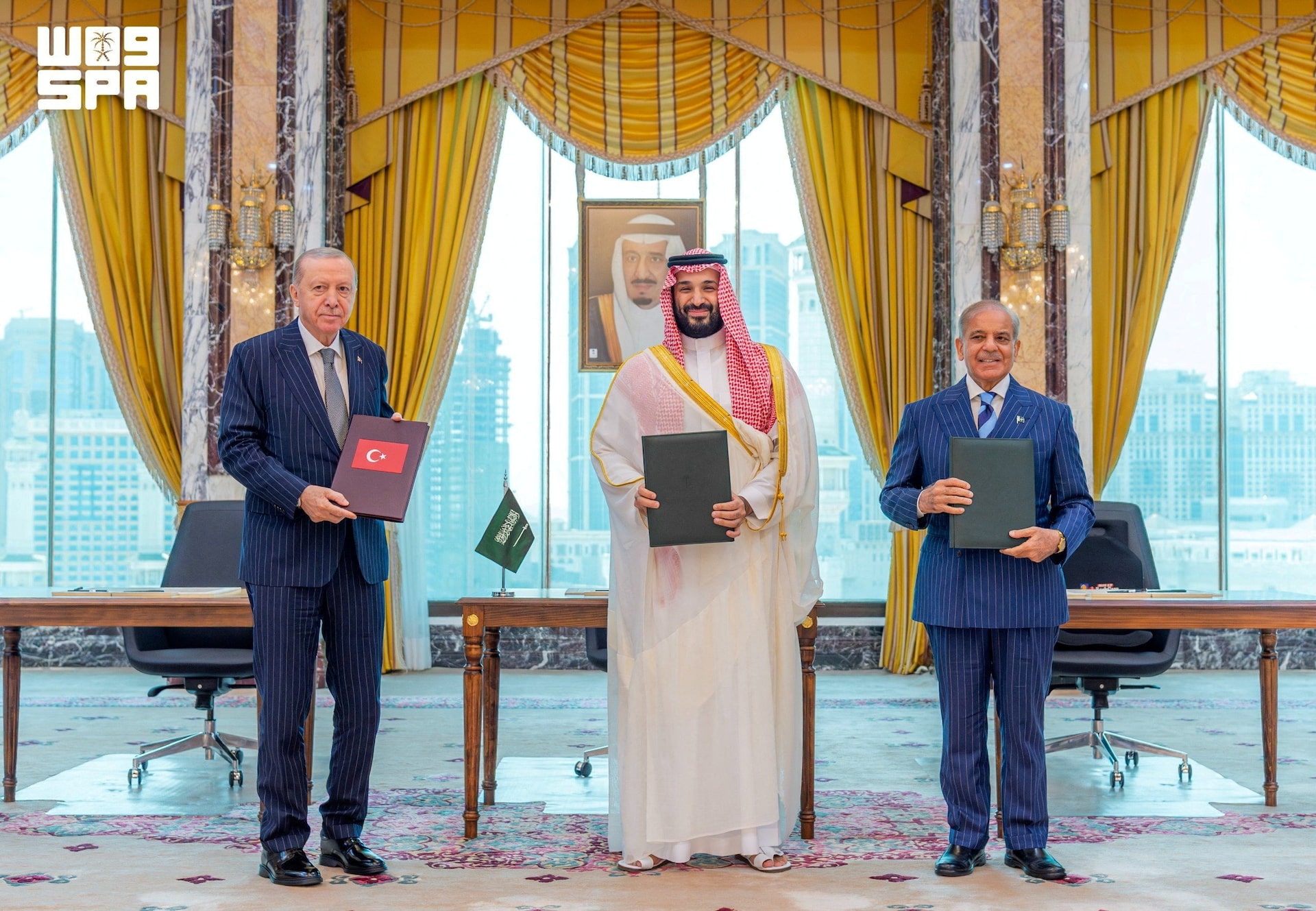
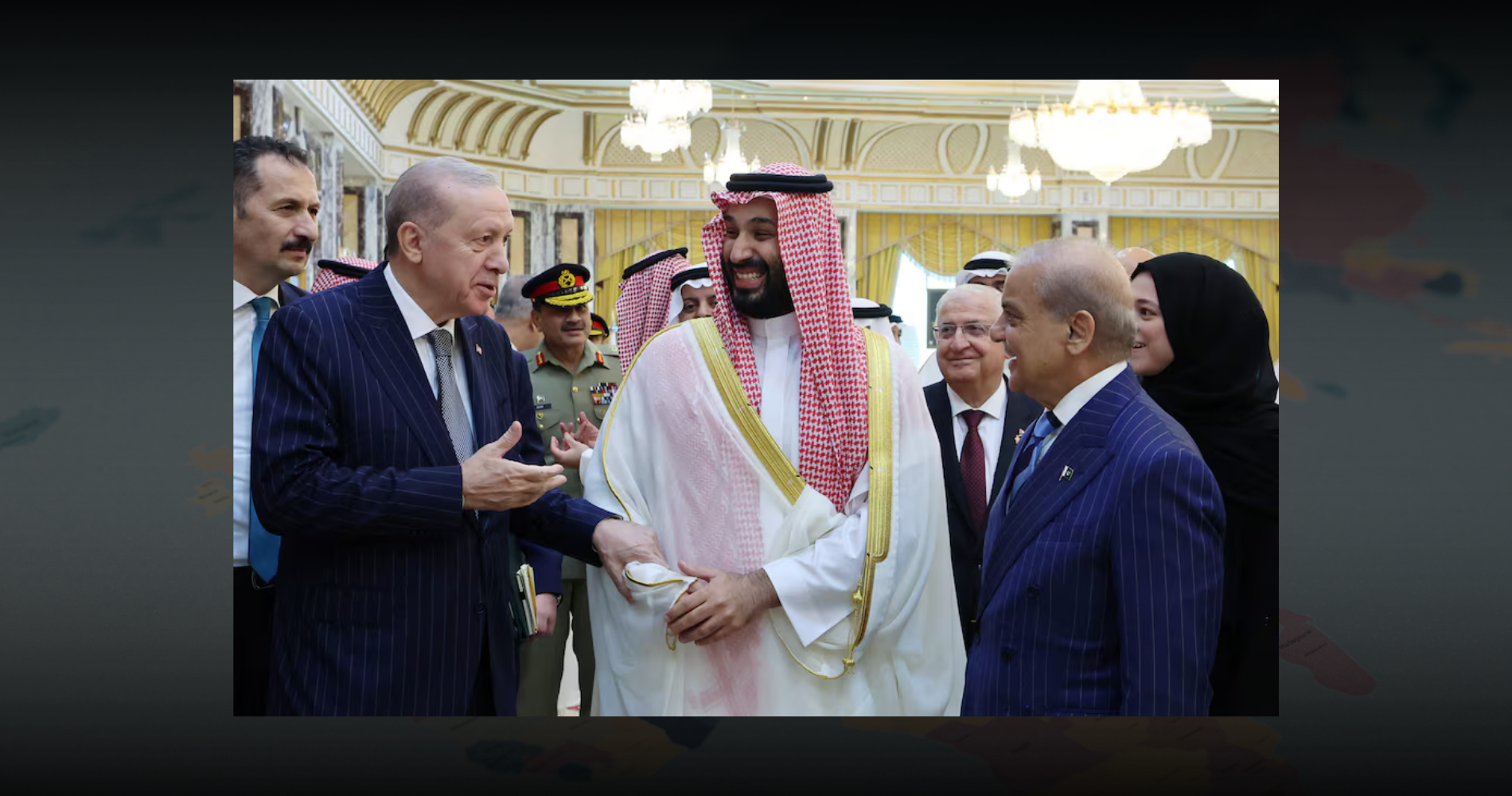
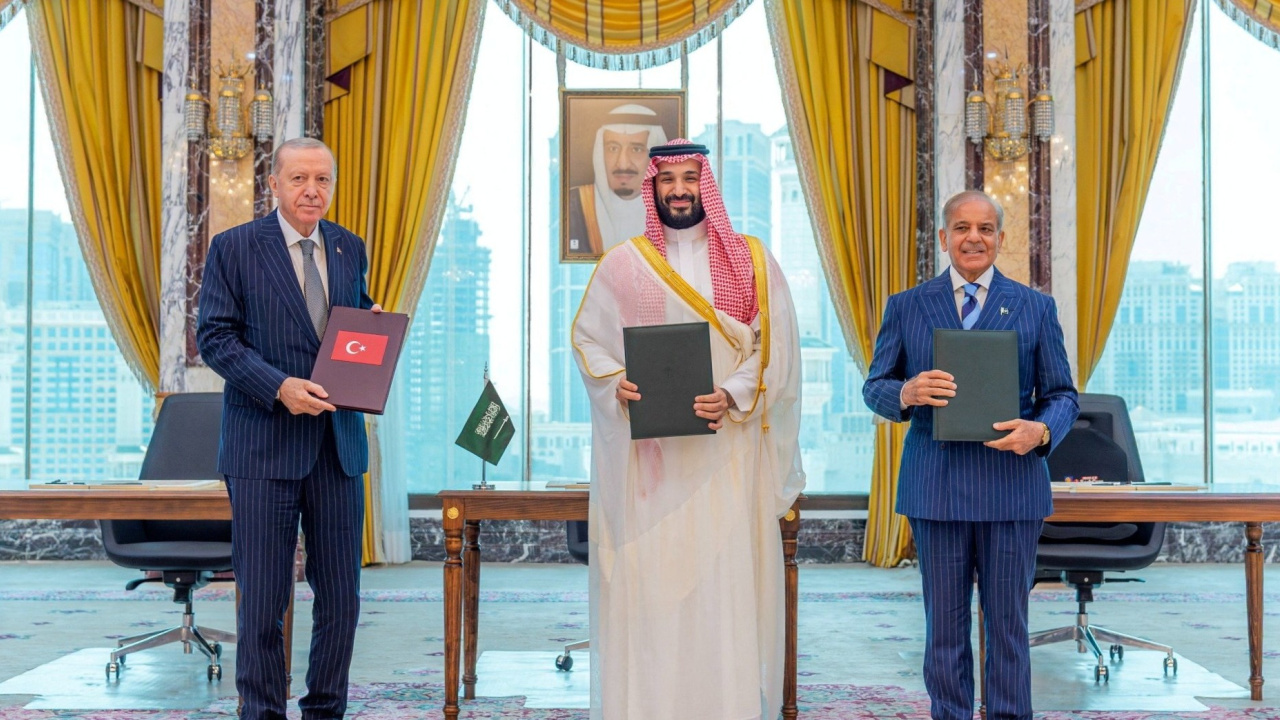
The war has exposed just how much of the country's economic wellbeing depends on the Gulf. Three-quarters of the Bangladeshis who went abroad for work between FY2015 and FY2025 went to the Middle East, and close to half of the country's remittances come from the six Gulf Cooperation Council (GCC) states. This is the backdrop against which Dhaka is weighing the Makkah Joint Defence Agreement, which Saudi Arabia, Türkiye and Pakistan signed on August 7. Foreign Minister Khalilur Rahman has already told parliament that the government would consider an invitation positively.
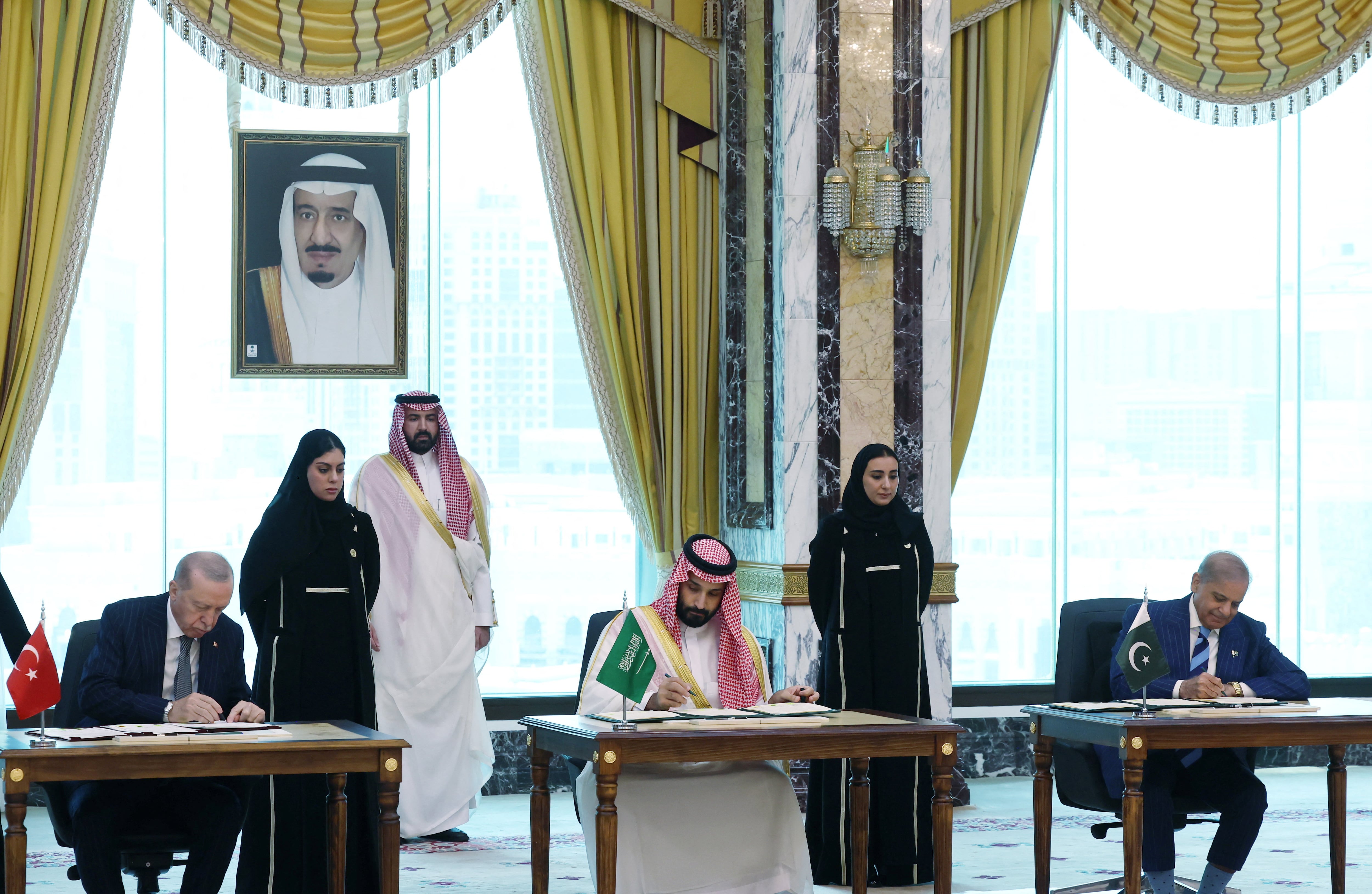
Whether Bangladesh should join at all is a separate debate. But if the government decides to align itself with Saudi Arabia, it has an opportunity to negotiate the terms before signing. Nothing should be given away for free: Bangladesh should leverage its alignment to secure commitments on its migrant workers, skills development, energy security and investment.
Of course, the obvious question is: why would Saudi Arabia listen? Because the Kingdom is building a coalition, and there is strength in numbers. The Pact's signatories have said it is open to other states. Bangladesh has already joined a Saudi-led maritime alliance of 14 countries covering the Red Sea and the Gulf of Aden, and on September 2, its defence adviser discussed expanded military training exchanges and disaster management cooperation with the Saudi ambassador. Prime Minister Tarique Rahman is expected to travel to Riyadh at the crown prince's invitation. A country that is being courted has bargaining power, and that power is greatest before it signs. Once the ink is dry, every request becomes a favour.
A country that is being courted has bargaining power, and that power is greatest before it signs. Once the ink is dry, every request becomes a favour. The very first ask should be to secure the livelihoods of one of Bangladesh's most valuable economic assets: its migrant workforce.
The very first ask should be to secure the livelihoods of one of Bangladesh's most valuable economic assets: its migrant workforce. According to BMET, more than 9.69 lakh Bangladeshis left for overseas jobs in FY2025-26, the lowest figure in five years. Recruiters say Saudi Arabia is now the only market in the Middle East that is still actively hiring, but that landscape is rapidly shifting. The Kingdom's sovereign wealth fund has dropped large-scale projects from its 2026-30 strategy and cut some project budgets by up to 60 percent, while growth in the number of registered construction workers in the Kingdom slowed from 32 percent in 2025 to 6 percent in the first quarter of 2026.
A World Bank study found that more than 60 percent of Bangladeshi migrants abroad work in construction, putting the country's workers—and a major source of foreign remittances—at risk. The employment agreement the two countries signed in October 2025, which promised stronger protections, guaranteed wages and better welfare, needs to be backed by firm targets and a clear pathway for skilled workers.
Protecting these jobs, however, requires more than baseline quotas; it demands a joint commitment to upskilling. Saudi Arabia now requires low-skilled foreign workers to pass its Takamul skill verification before they can be hired, and in October 2025, as the requirement took hold, departures from Bangladesh fell by 18.46 percent. Bangladesh now tests roughly 60,000 workers each month across 28 centres. That is progress, but the cost of meeting Riyadh's standards falls largely on the workers themselves, who pay about $50 for each test, while the state pays for training programmes to prepare them.
If the Kingdom wants skilled labour, it should share that cost. The October 2025 agreement already bars agencies and employers from charging workers unauthorised fees; extending that principle to testing fees, while co-funding training and testing centres in Bangladesh, would be a modest next step. But the real payoff lies beyond construction sites. As the Gulf races to build data centres and cloud infrastructure, it needs network engineers and IT technicians. A joint digital skills initiative could finally help move Bangladeshi workers beyond predominantly manual labour and into higher-skilled, higher-earning occupations.
Beyond labour, Dhaka’s most pressing domestic vulnerability remains its energy sector. This year has shown how little protection Bangladesh's long-term gas contracts can offer when supplies come under pressure. Dhaka has now secured $3.3 billion in financing from the Jeddah-based International Islamic Trade Finance Corporation to pay for fuel, gas and fertiliser this fiscal year. Saudi Arabia does not sell gas to Bangladesh, but Saudi Aramco supplies crude oil to the Bangladesh Petroleum Corporation (BPC), and the Kingdom is the largest shareholder in the Islamic Development Bank Group, of which the trade finance corporation is part. A deferred-payment facility for oil imports and access to cheaper Islamic trade finance could do more to strengthen Bangladesh's energy security than almost any diplomatic gesture.
Another major ask should be investment, and the Patenga Container Terminal in Chattogram illustrates both the promise and the pitfalls. Its Saudi operator, Red Sea Gateway Terminal International, which is part-owned by the Kingdom's Public Investment Fund, has invested $170 million in a port that handles more than 90 percent of Bangladesh's seaborne trade. That sum alone is several times the entire recorded stock of Saudi foreign direct investment in Bangladesh, which stood at about $34.09 million in mid-2024, and the company now says it may invest up to $1 billion more in the country's ports and logistics sector.
Yet the terminal also offers a cautionary lesson. The operator took over in June 2024, but a government evaluation in January found that the terminal was still underperforming, with its full complement of container-handling equipment yet to be installed. The final major pieces of equipment were installed only in June, and full operations began in July, two years after the handover. Dhaka should therefore seek investment commitments with clear timelines, directed towards sectors it identifies as priorities, including energy infrastructure, logistics and vocational training—and judge those commitments by what is actually delivered.
Patenga offers one more lesson. Its concession was signed in December 2023 under the previous government, on a government-to-government basis, and has survived two changes of government since then, with the present government presiding over its formal launch. Agreements built around specific, negotiated terms can serve the country beyond the tenure of the government that happens to sign them. That is the pragmatic approach the prime minister should take to Riyadh. Alignment is among the most valuable things Bangladesh can offer the Kingdom. It should not also be the cheapest.
Agreements built around specific, negotiated terms can serve the country beyond the tenure of the government that happens to sign them. That is the pragmatic approach the prime minister should take to Riyadh. Alignment is among the most valuable things Bangladesh can offer the Kingdom. It should not also be the cheapest. Whatever terms it secures in Riyadh, Dhaka must also protect what it already has elsewhere in the Gulf.
Whatever terms it secures in Riyadh, Dhaka must also protect what it already has elsewhere in the Gulf. More than a million Bangladeshis live in the UAE. Visa processing for most categories of Bangladeshi applicants has been effectively frozen since 2024, while remittances from the UAE fell by more than 10 percent in 2025, to $4.16 billion. The Makkah Pact has also drawn criticism from prominent commentators in the UAE, giving Bangladesh another reason to tread carefully.
The government has so far played down concerns about how joining the pact might affect relations with other states. The Ministry of Foreign Affairs has described the expanded pact as an internal Muslim matter carrying no foreign policy risk, maintaining that there is no reason for concern. That may be good diplomatic messaging, but it is not a strategy.
Moving closer to Riyadh requires Bangladesh to pursue parallel diplomatic tracks across the Gulf to safeguard its migrant workforce and broader economic interests. Dhaka should consider putting forward similar strategic asks to Qatar, Kuwait, Oman and the UAE, with the normalisation of visa processing in the UAE as an immediate priority. Crucially, these relationships—along with vital gas supplies from Qatar and Oman—must not become collateral damage in any new arrangement with Riyadh.
None of these demands is unreasonable given what Bangladesh has already contributed to the Gulf. For decades, Bangladeshi workers have poured the concrete that built its cities, often in punishing heat and for modest wages, while sending home the remittances that have helped carry their own country through one economic shock after another. If Bangladesh is now prepared to offer Saudi Arabia its political alignment as well, it should make sure that alignment advances its own national interests.
Ayesha Tariq, CFA, is CEO and co-founder of MacroVisor, a Dubai-based independent macro research firm. She has over 22 years of experience in financial markets.
Send your articles for Slow Reads to slowreads@thedailystar.net. Check out our submission guidelines for details.

Nepal’s difficult passage: Political change meets ecological crisis

BRICS at 20: Why the New Delhi Summit matters to the Global South

From Balfour to sanctions: Why the UK’s ban on Israeli settlement trade matters
Ganges Water Treaty: A new bargain or a new dispute?
Bangladesh and the Mecca Pact: The national security questions we are missing
From Chinese fighter jets to the Mecca Pact: Bangladesh’s strategic future?

Is Bangladesh the next base for Chinese scam networks?
The politics of fear: From Gaza's paper kites to ‘unsafe’ on campuses

Shanghai Cooperation Organisation at 25: Can China, India and Russia really speak with one voice?