Ganges Water Treaty: A new bargain or a new dispute?
The Ganges water-sharing treaty between India and Bangladesh is heading towards a crucial deadline, with the 30-year agreement set to expire on December 12, 2026. What began as a dispute over the Farakka Barrage in the 1960s has evolved into one of the most sensitive issues in India-Bangladesh relations. This time, however, the renewal is unlikely to be a simple extension of the existing arrangement. Climate change, changing water demands, Bihar's growing concerns, West Bengal's interests and the altered political landscape in Bangladesh are all set to shape the next round of negotiations.
The central question is no longer simply how much water Bangladesh will receive. It is whether India and Bangladesh can design a new, climate-resilient water-sharing framework that addresses the interests of all stakeholders.
From Farakka to the 1996 treaty
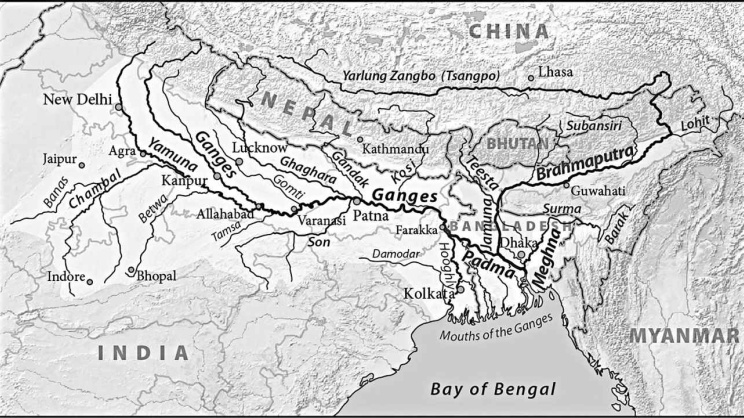
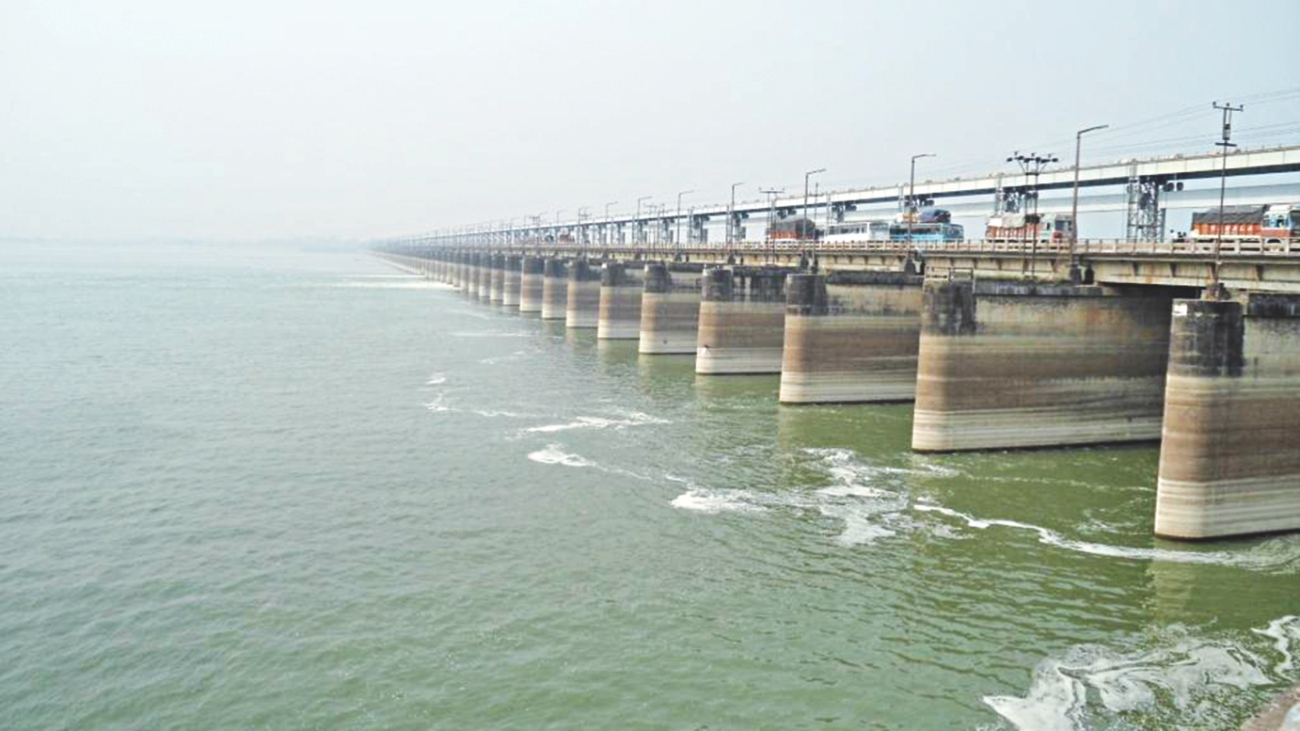
The roots of the dispute go back to the 1950s, when India began planning the Farakka Barrage in West Bengal, around 18 kilometres from the then East Pakistan border. Construction began in 1961 and was completed in 1975. India began diverting part of the Ganges flow towards the Hooghly through Farakka, primarily to improve navigation and maintain the flow required for Kolkata Port. East Pakistan objected strongly, arguing that the diversion of water reduced the dry-season flow of the Ganges downstream, affecting what becomes the Padma in Bangladesh.
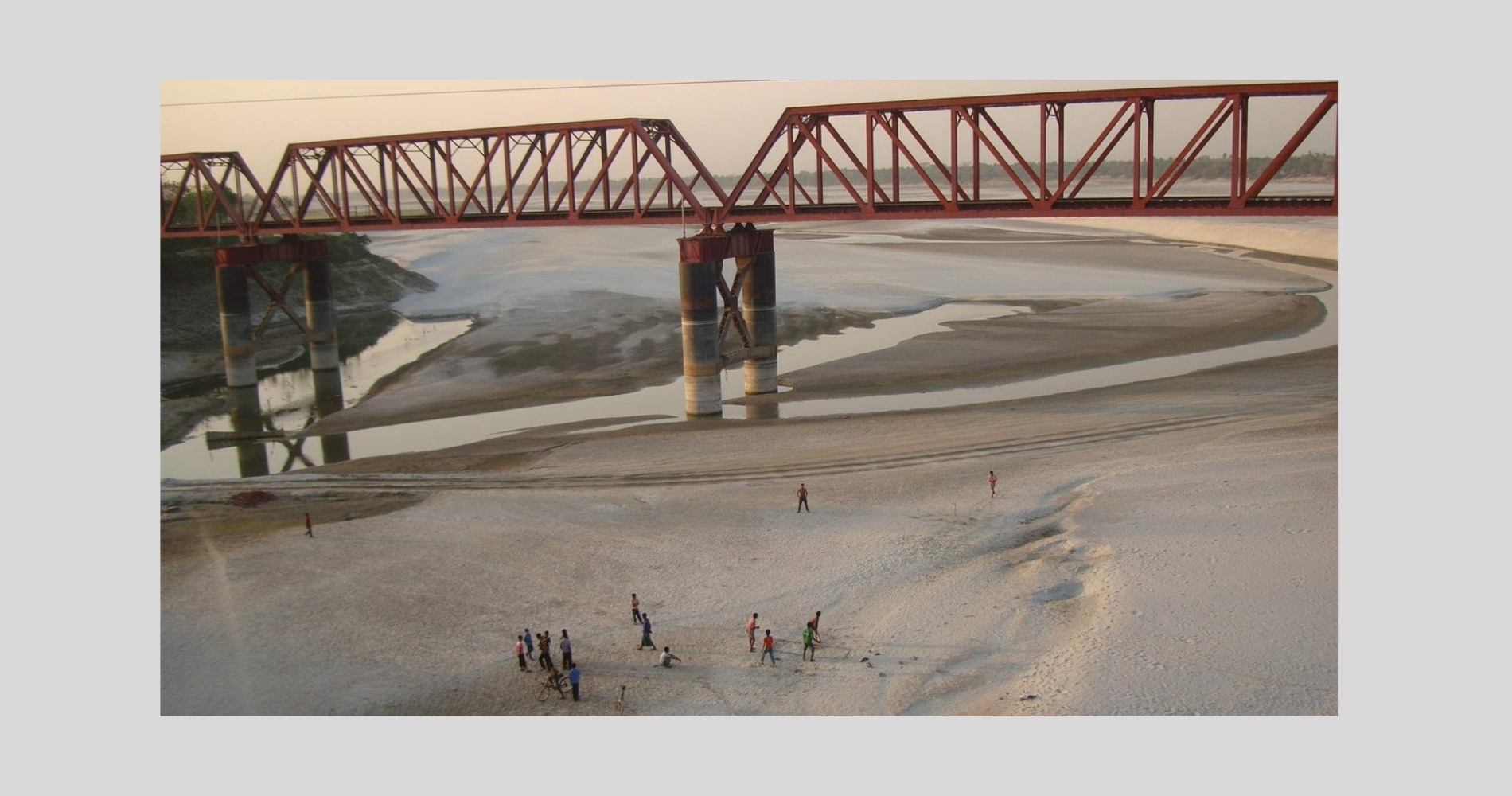
After Bangladesh's independence, the dispute continued. In 1976, Maulana Abdul Hamid Khan Bhashani led the historic Farakka Long March, accusing India of depriving Bangladesh of its share of the Ganges. A series of temporary arrangements followed. The 1977 agreement, and subsequent understandings in 1982 and 1985, failed to produce a permanent settlement.
The breakthrough came on December 12, 1996, when Indian Prime Minister H D Deve Gowda and Bangladeshi Prime Minister Sheikh Hasina signed the Ganges Water Sharing Treaty in New Delhi. The agreement was designed to remain in force for 30 years and is renewable by mutual consent. It governs the sharing of Ganges water at Farakka during the lean season, from January 1 to May 31, on a 10-day basis.
So, who gets how much? The answer depends on how much water is available at Farakka. If the flow is 70,000 cusecs or less, India and Bangladesh are to receive 50 per cent each. If the flow is between 70,000 and 75,000 cusecs, Bangladesh receives 35,000 cusecs, with India getting the balance. If the flow is 75,000 cusecs or more, India gets 40,000 cusecs, while Bangladesh receives the balance.
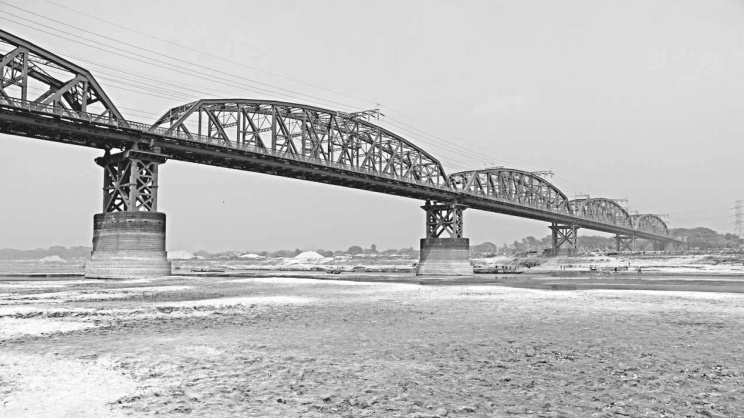
There is also a special provision for the leanest part of the dry season. Between March 11 and May 10, India and Bangladesh are each guaranteed 35,000 cusecs during three alternate 10-day periods. Importantly, the treaty does not establish a fixed minimum annual flow for Bangladesh. If the flow at Farakka falls below 50,000 cusecs during a 10-day period, the two sides are required to enter into consultations and adjust the arrangement in an emergency.
That provision could become increasingly important as climate change alters rainfall patterns and river flows.
Why is the old formula under pressure?
The treaty was based substantially on historical hydrological data from 1949 to 1988. Three decades later, both the river and the demands placed on it have changed. Climate change is producing more erratic rainfall, prolonged dry spells and extreme flooding. At the same time, populations, agriculture, urbanisation and industrial demand have expanded.
A government-linked analysis by the Indian Council of World Affairs has also noted that the hydrological assumptions underlying the 1996 treaty may no longer adequately reflect present-day conditions.
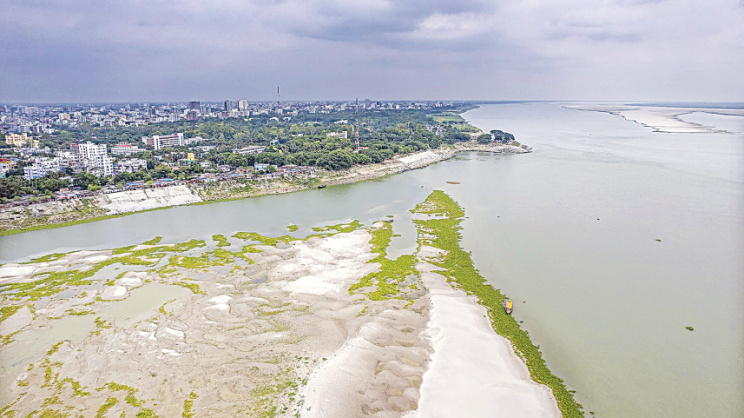
For Bangladesh, the concern is straightforward: lower dry-season flows can affect irrigation, agriculture, fisheries, navigation and the ecological health of the Padma and downstream river systems. Dhaka is therefore seeking a more predictable arrangement. Bangladesh has reportedly pushed for 40,000 cusecs during the February-May period, along with stronger flood-data sharing and a longer-term framework.
Enter Bihar
This is where the renewal becomes politically complicated for New Delhi.
Bihar has emerged as a major domestic stakeholder. JD(U) leader and Rajya Sabha member Sanjay Kumar Jha has argued that the existing arrangement has adversely affected Bihar's drinking water, irrigation and development needs, and has urged the Centre not to renew the treaty in its present form.
The political pressure has become significant enough for External Affairs Minister S Jaishankar to assure Bihar's leadership that the state's water requirements will be taken into account before any decision on renewal. The Centre has specifically referred to Bihar's potable and industrial water needs.
That changes the negotiating equation. For Bangladesh, the treaty is a bilateral agreement with India. But for India, the political reality is more complicated: water diplomacy with Bangladesh must now also accommodate competing demands from within the Ganges basin.
What about West Bengal?
West Bengal is another critical stakeholder because Farakka is located in the state, and the original purpose of the barrage was closely linked to maintaining the navigability of the Hooghly and protecting Kolkata Port.
Any new arrangement will therefore have to balance Bangladesh's downstream requirements with the water needs of India's eastern states.
This could make the next treaty less about a simple India-Bangladesh division and more about basin-wide water management.
The Indus factor
The timing is also politically significant.
India put the Indus Waters Treaty with Pakistan in abeyance following the April 2025 Pahalgam terror attack. An international arbitration panel recently ruled that India must continue to honour its obligations under that treaty, a ruling New Delhi rejected, saying the panel lacked jurisdiction.
The Ganges negotiations are obviously different in legal and political terms. But the Indus episode has reinforced a broader question about India's approach to longstanding water-sharing agreements when security, sovereignty and changing national interests enter the equation.
What could the new Ganges deal look like?
The most realistic outcome may be neither a complete rejection of the treaty nor a straightforward 30-year extension. Instead, a shorter, more flexible agreement could emerge.
India may seek greater flexibility in dry-season allocations and stronger recognition of the water requirements of Bihar and West Bengal. Bangladesh, meanwhile, is likely to push for predictable minimum flows, a larger dry-season allocation and stronger mechanisms for sharing hydrological and flood information.
The duration could also become an issue. A shorter renewal period would allow both countries to revisit allocations more frequently instead of locking themselves into another 30-year formula.
The bigger change, however, may be conceptual. The 1996 treaty largely asks: How should the available water at Farakka be divided?
A new treaty may have to ask a different question: How can the Ganges basin generate, conserve and share enough water to meet the needs of a changing climate and growing population? That could bring water conservation, river restoration, sediment management, flood forecasting, data sharing and possible basin-level cooperation into the negotiations.
The road ahead
India and Bangladesh are already continuing technical-level discussions through the Joint Rivers Commission and the treaty's Joint Committee. A May 2026 JRC meeting in Kolkata was the latest major round before the December deadline, although no formal breakthrough was announced.
So, the December deadline should not necessarily be viewed as a cliff edge. But it is a political deadline—and an important one.
For Dhaka, the priority will be water security.
For New Delhi, the priority will increasingly be strategic flexibility and domestic water security.
And for Bihar and West Bengal, the question is whether their own needs will finally become an integral part of India's negotiating position.
After 30 years, the Ganges treaty is therefore facing not merely a question of renewal, but a fundamental renegotiation of the water politics of eastern South Asia.
The next agreement, if one is reached, could determine whether the Ganges remains a source of bilateral friction—or becomes the foundation for a new era of transboundary water cooperation.
Send your articles for Slow Reads to slowreads@thedailystar.net. Check out our submission guidelines for details.
Bangladesh and the Mecca Pact: The national security questions we are missing
From Chinese fighter jets to the Mecca Pact: Bangladesh’s strategic future?

Is Bangladesh the next base for Chinese scam networks?

The politics of fear: From Gaza's paper kites to ‘unsafe’ on campuses

Shanghai Cooperation Organisation at 25: Can China, India and Russia really speak with one voice?
Shared rivers, shared responsibilities: The case for water treaties
Bihar wants Delhi to not renew Ganges treaty. What does it mean for Dhaka?
Bangladesh and the United States: Beyond the tariff bargain

From the Carter Doctrine to the Mecca Pact: A changing Gulf security order