


Time to break down the barriers to hepatitis care

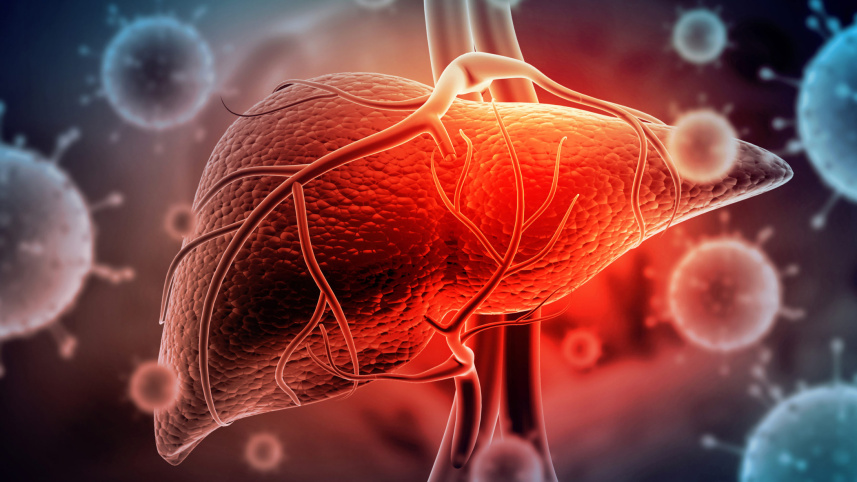
Every year, World Hepatitis Day serves as a reminder that some of the world’s deadliest health threats often remain the quietest. This year’s theme, “Hepatitis: Let’s break it down,” urges countries, communities and individuals to remove the barriers that prevent people from getting the information, testing and care they need.
Hepatitis affects the liver and, when left unnoticed for years, can lead to serious illness. The worrying part is that many people feel perfectly healthy until the damage has already begun. This silent nature makes awareness one of the most powerful tools in the fight against the disease.

The global picture remains alarming. In 2024, around 287 million people were living with long-term hepatitis B or C, while nearly 1.3 million lives were lost to these infections. Yet fewer than half of newborn babies received the birth-dose vaccine that offers vital early protection.
Bangladesh faces an equally pressing challenge. Nearly 10 million people are believed to be living with hepatitis, while thousands of expectant mothers carry the infection, increasing the risk of passing it on to their babies. These figures highlight the urgent need for wider public awareness, early testing and timely vaccination.
The encouraging news is that the world already has many of the tools needed to tackle hepatitis. Safe vaccines, reliable tests and effective treatment can prevent countless illnesses and save lives. However, too many people still remain undiagnosed or are unable to access these services because of fear, lack of knowledge, limited healthcare access and social stigma.
Preventing hepatitis does not always require complicated steps. Ensuring safe blood during transfusions, avoiding the sharing of needles or razors, practising safe relationships, receiving timely vaccination for newborns, choosing clean food and water, and getting tested when at risk can all make a significant difference.
World Hepatitis Day is more than a date on the calendar. It is a call to replace silence with action and hesitation with hope. By breaking down myths, encouraging open conversations and making prevention and care available to everyone, Bangladesh can move closer to a future where hepatitis is no longer a hidden threat but a preventable one.
The writer is a Liver Diseases & Medicine Specialist at Holy Family Red Crescent Medical College & Hospital.
 For all latest news, follow The Daily Star's Google News channel.
Comments