


High protein iftar ideas using everyday Bangladeshi foods
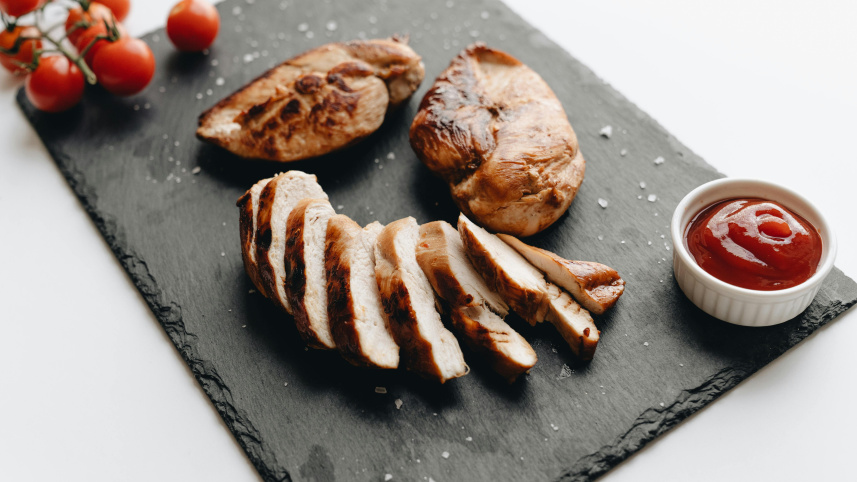
Iftar in Bangladesh is often built around habit. Fried snacks, sweet drinks, and heavy portions feel comforting after a long day of fasting, but they rarely support the body for the rest of the evening. High-protein iftar does not require imported ingredients or a complete food overhaul. It simply asks for better use of what is already familiar.
Here are five protein-focused iftar ideas using accessible ingredients that are sure to suit your taste, routine, and budget.

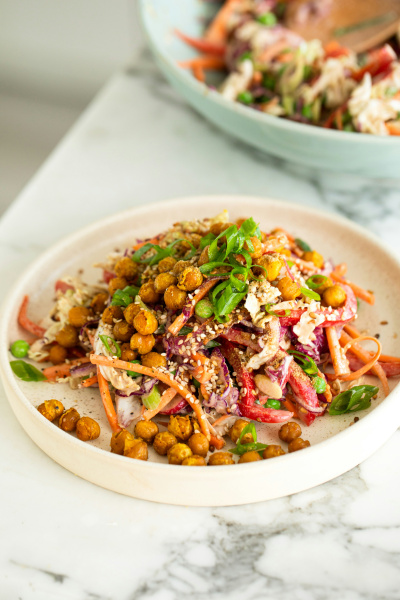
Chickpea salad with local vegetables
Chickpeas are already part of Bangladeshi iftar culture, usually cooked into thick chola bhuna. Turning them into a salad keeps the protein intact while reducing oil and heaviness.
Boiled chickpeas can be mixed with chopped cucumber, onion, tomato, green chilli, coriander, and a squeeze of lemon. A small drizzle of mustard oil adds flavour without excess fat.
This salad works well as a first solid food after dates and water. It provides plant protein, fibre, and slow-release energy, helping prevent sudden hunger spikes later in the evening.
Yoghurt with chia seeds and seasonal fruits
Yoghurt is often underused at iftar, yet it is one of the most effective cooling and protein-rich foods during Ramadan.
Thick yoghurt mixed with soaked chia seeds creates a simple, balanced dish. Add small portions of seasonal fruits like papaya, banana, or apple rather than overly sweet combinations.
This option supports digestion, provides protein and healthy fats, and works especially well for those who experience acidity or bloating after iftar. It can also replace sugary drinks that cause energy crashes.
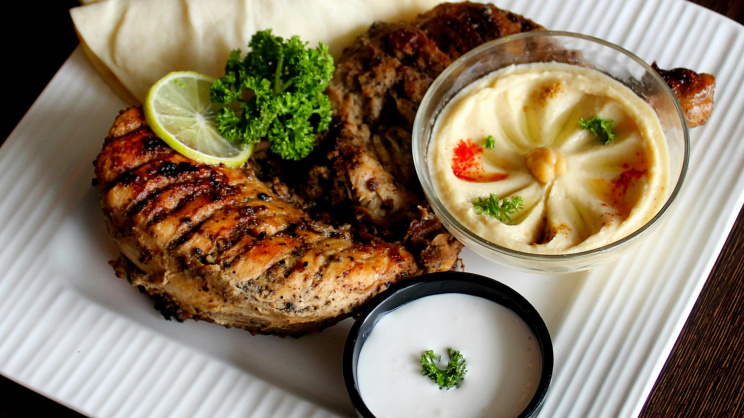
Sautéed chicken breast with minimal spices
Chicken is commonly present at Bangladeshi tables, but it often arrives deep-fried or heavily coated in batter. A simpler preparation preserves protein without overloading the digestive system.
Chicken breast pieces sautéed lightly with garlic, ginger, black pepper, and a pinch of salt require very little oil. Cooking them slowly keeps the meat tender and easy to digest.
Serve with a small salad or roti. This dish works well for people who feel weak or tired during Taraweeh prayers and need sustained energy rather than instant fullness.
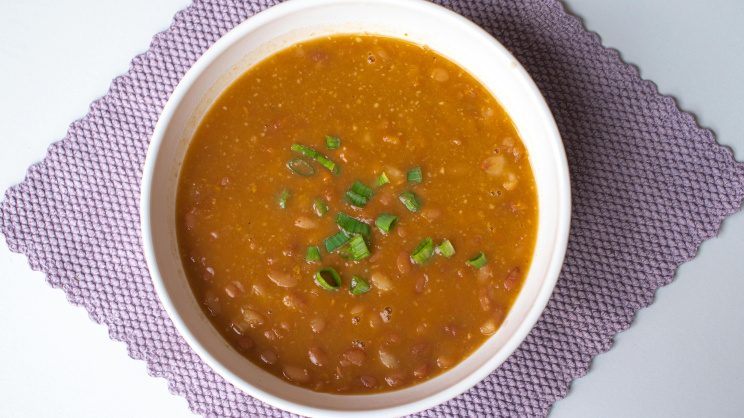
Lentil soup or a light haleem
Lentils are deeply familiar, affordable, and protein-rich. A thin lentil soup made from red lentils such as moong dal, or masoor dal is ideal at iftar.
Cook the lentils soft with ginger, garlic, cumin, and black pepper. Keep it light and avoid excess oil. This helps hydrate the body and gently restarts digestion after fasting.
For families who prefer something heartier, a lighter version of haleem can work. Reduce the oil and meat quantity, focus on lentils and grains, and serve in smaller portions. This keeps the protein high while avoiding post-iftar lethargy.
Baked fish fillet with vegetables
Fish is central to Bangladeshi food culture, but rarely appears at iftar. A baked or lightly pan-cooked fish fillet can be a strong protein addition.
Use local fish, like pangas, tilapia, or ruhi. Season with turmeric, garlic, lemon, and a small amount of oil. Baking or shallow cooking preserves protein and reduces heaviness.
Serve alongside sautéed vegetables or a small portion of khichuri. This combination supports muscle recovery and keeps energy stable through the evening.
Why these choices matter during Ramadan
During fasting, the body needs steady nourishment at iftar. Meals dominated by refined carbohydrates and fried items cause quick blood sugar rises followed by sharp drops. Protein slows this process, supports muscle health, and improves satiety.
In Bangladesh, protein-rich foods are often seen as expensive or complicated. In reality, eggs, lentils, chickpeas, yoghurt, chicken, and fish are already present in most households. The difference lies in preparation and balance.
 For all latest news, follow The Daily Star's Google News channel.
 Remember, high-protein iftar does not require strict rules. One protein-rich item per iftar is enough to make a difference.
Comments