


Are we raising a generation that doesn’t read?
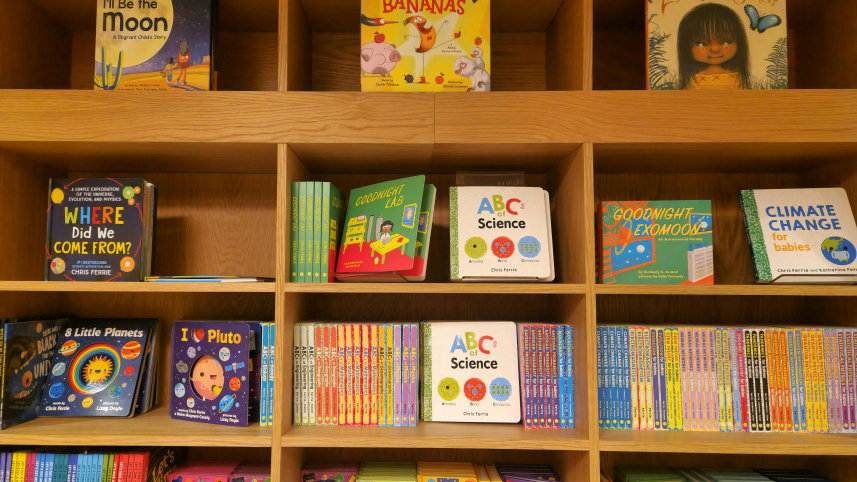
Book reading losing popularity has been one of the biggest tragedies of the tech era. Ever since the advent of social media and, consequently, smartphones, more and more youth have replaced the familiar comfort of pages with brightly lit screens, and it has come with its penalties.
Consistently falling reading and comprehension scores in younger students suggest that the habit of reading as a hobby has taken a major hit in recent times. Some experts have gone so far as to suggest that each new generation is proving worse than its predecessor when it comes to literacy, with Gen Alpha as the newest, and possibly the worst readers of their time.

“Each new grade I teach has fewer and fewer readers,” shares Maria Mahmud, a Grade V teacher at a popular English Medium school. “Children simply do not have the appetite for reading, and this hits hard because reading was one of the highlights of our school life and continues to be such a joy now.”
A study by UCLA raises further concerns by finding a plausible relationship between children’s cell phone ownership and their ability to read. Published in Behavioural Sciences and discussed in a university press release, the popular research has found that elementary school students who owned cell phones generally performed worse on reading comprehension tests than classmates who did not own devices.
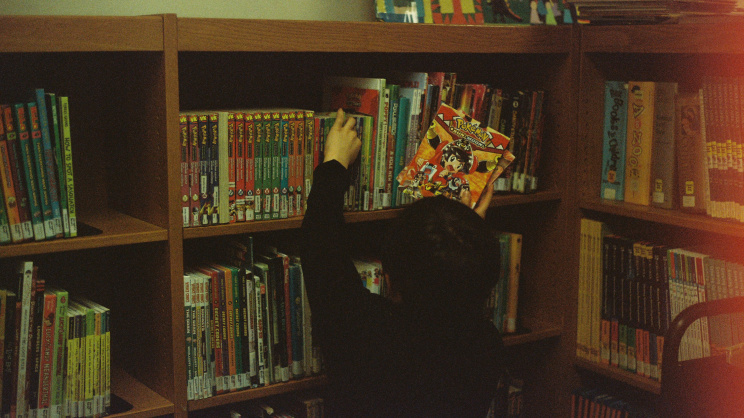
Mir Adiba Awlad, Teacher Librarian at a prominent IB school, shares her own experience on the subject.
“I see the attraction of screens every day. A screen can capture a child’s attention almost instantly. It is bright, fast, interactive and always ready with something new. Sometimes, even getting children to settle for story time can feel like a challenge when they are used to the constant stimulation of digital content, when they can feel the excitement of scrolling up and down with just a flick of their fingertip!”
Notably, the above-mentioned study suggested that weaker reading performance was associated with owning a phone for a period of time, not with the proximity of a device during examination. This was not about momentary distraction, but about prolonged exposure and what it does to a young brain.
Maria agrees and explains why this rings true.
“Children use ‘chat speak’ on social media, and this spills over to their copies. This language is quick, short and often disregards grammatical rules, owing to the informality of the whole thing. Continuously communicating in language that is designed to capture attention for shorter spans of time does not do any favours to young, impressionable minds.”
According to Maria, this affects their quality of work across the curriculum. “A child that can read well will not only ace grammar and vocabulary but will also comprehend better. This will put them far ahead of a student that struggles to read and understand basic instructions.”
As a suggestion post the UCLA study, most experts felt that delaying phone ownership for as long as possible was the best course of action; introducing smartphones too early could interfere with children’s ability to develop strong reading habits and understand written material.
Of course, this study does not definitively demonstrate that owning a phone directly causes poor reading performance or reduced comprehension for written material, but it does imply a strong correlation between the two factors, corroborating previous warnings from neuroscientists about declining academic performance among young phone users, with some even suggesting that Gen Z may be the first modern generation to perform worse than its preceding generation on standardised academic tests.

As worries about literacy rise and book reading once again, Adiba offers a glimmer of hope.
“Young minds are malleable. If we can introduce the youngest students to the wonder of books, it can be powerful”
Adiba worries when reading becomes something children do only when there is nothing else to do. “That's why I believe our responsibility is not simply to tell children, 'Read more'". We need to help them discover why reading is enjoyable in the first place.”
Reading habits developed in the early years can become groundwork for a lifetime.
“When a child learns that a library is a place where they can choose, explore, wonder and find something that speaks to them, reading stops feeling like another task. It becomes something personal.”
Screens are here, and they are not going anywhere, anytime soon. So perhaps the question is not, "Can books compete with screens?" Perhaps the better question is: Are we giving children enough opportunities to discover the magic of books for themselves?
 For all latest news, follow The Daily Star's Google News channel.
Comments