


Books are winning back attention in the scroll era

The buzz was good to see.
When Kinokuniya announced it would open its first outlet in Bangladesh at Centrepoint Uttara, the online reaction was genuine. It was not the manufactured excitement of a PR campaign but people talking. That kind of energy does not just come about for anything in this city.

Books are coming back.
Mashrur Arefin, writer and CEO of City Bank, said in a previous article in the Daily Star that the interest generated by an opening like this gives hope that the love of reading is not lost.
He had also said, in the same breath, that love for books is declining. Both things are probably true right now. But something is moving in the right direction.
Doomscrolling did not kill reading. It just made it harder to choose. The phone is always there, always offering something faster and louder: a video, an argument, a feed that never runs out.
Books ask for the opposite. They ask you to slow down, to stay with one thing, to resist the pull. For a long stretch of years, a lot of people stopped making that choice.
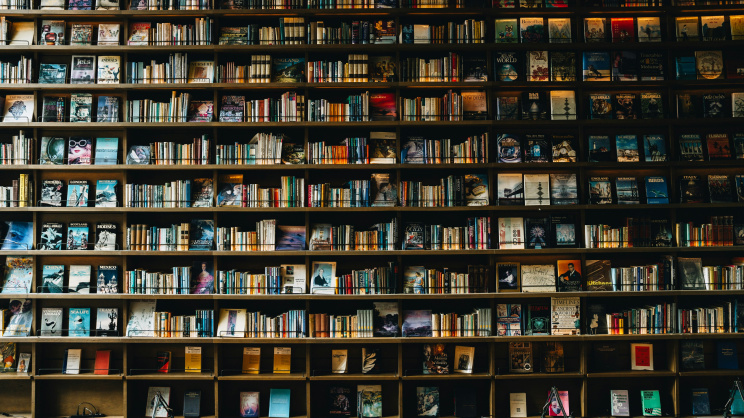
Nabil, 22, argues that books were always there. It just shifted from being in our hands to being in our pockets. “E-books are just better in every way. Less hassle, and I can get it for free from the internet,” he said.
He is not wrong, nor alone.
The younger generation values convenience and time efficiency over anything. They migrated to reading books on screens rather than buying a physical copy.
Mahdia, 21, is on the side of e-books. She says that it is far more convenient than carrying a physical book. “I can read on my phone anywhere. I feel like reading has never declined. The medium changed, and we are yet to catch up with the new reality,” she further added.
But not everyone followed that path.
Saadman, 27, still swears by physical books. He is a self-acclaimed lover of "bibliosmia,” the pleasant aroma that comes out when old books start breaking down.
“There is something about holding a book that makes it feel like I am actually reading, not just scrolling in a different direction," he said.
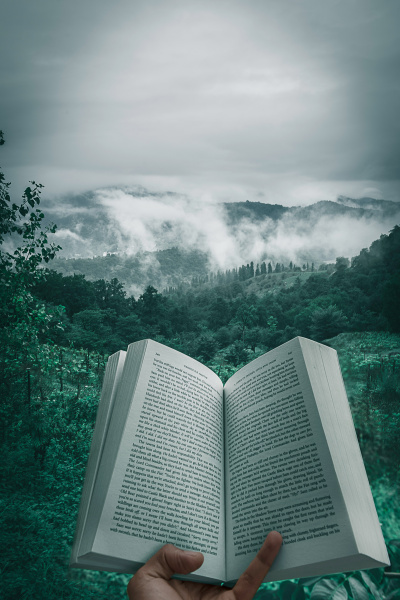
People like Saadman are not aliens or relics. Go to Nilkhet on a random evening, or a Bengal Boi near you, and you will find teenagers and older generations deep into the world of books. While they are somewhat of a minority nowadays, they do exist. They kept showing up through the years when everyone said the bookshop was dying. The shops that survived did so largely because of them.
Books are still read, but not in the conventional manner we used to know.
“BookTok”, a corner of TikTok where creators review, recommend, and argue about literature, pulled a generation of teenagers toward reading through 90-second clips. Wattpad did something similar, giving young writers a place to publish and young readers a reason to stay up until two in the morning finishing a story they found for free. Neither looks like what a school librarian would call reading. Both absolutely are.
A teenager who spends hours on Wattpad or BookTok will eventually want to buy a physical copy of their favourite story or buy a subscription to an online reading platform.
 For all latest news, follow The Daily Star's Google News channel.
 The thirst for knowledge will never be quenched. Reading will continue, be it in Nilkhet or on Wattpad. Reading is affirming its place in Bangladesh once again.
Comments